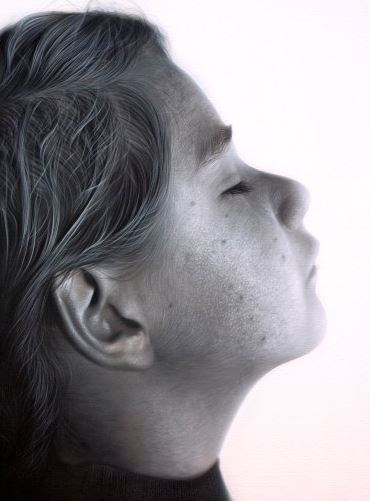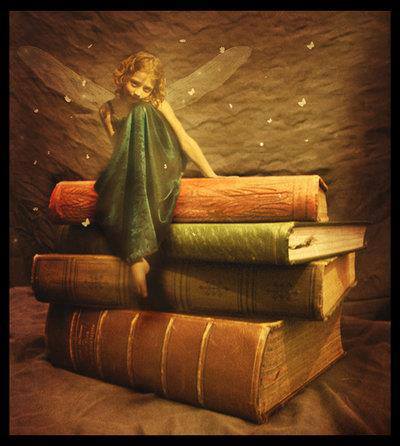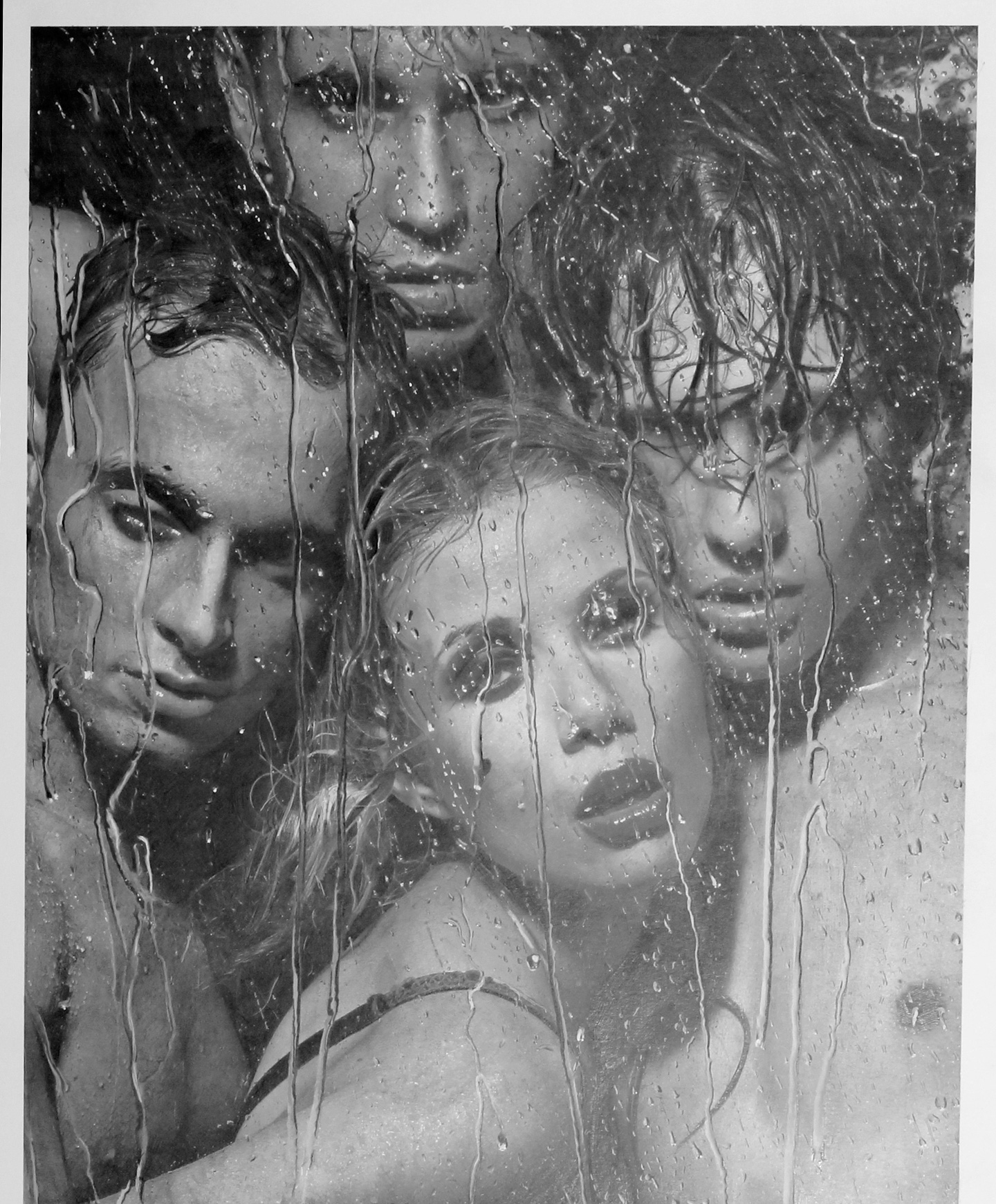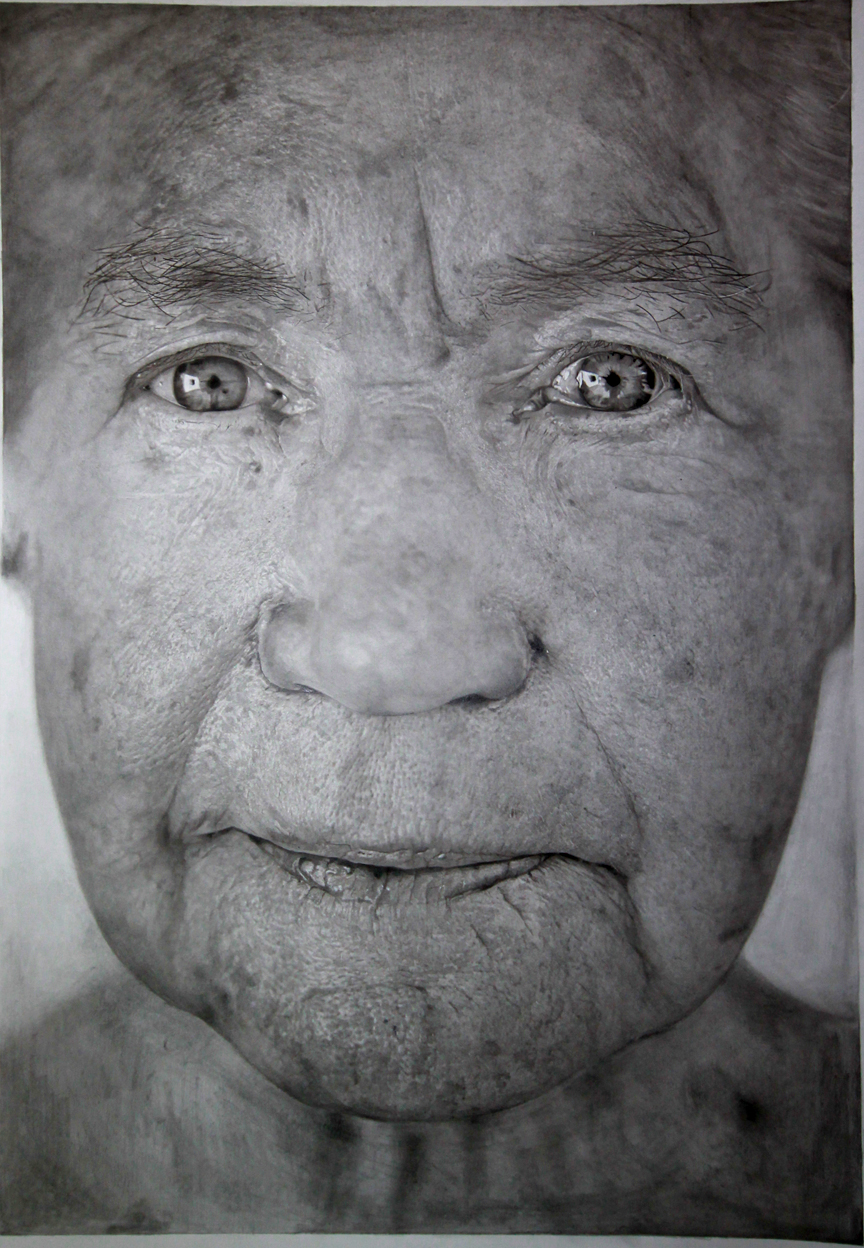
“Identification, Please” by Bob James

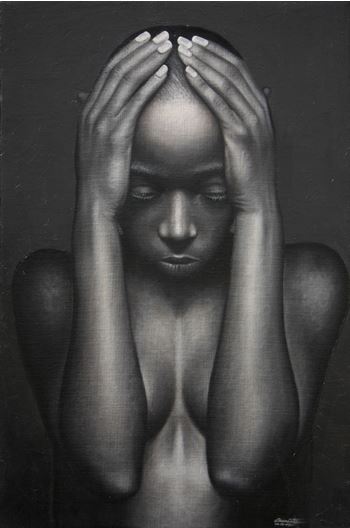
Identification, Please


And then the moment arrives.
And it’s really only the moment of realization,
that the slow, ongoing process of erosion,
has truly worn away everything that I believed I was,
Everything that I had come to believe defined who and what I am.
All that I had chosen to embrace, all that gave me form and substance.
All that I couldn’t imagine my life and identity without,
all gone now, lost, to the extent that even my memories,
disable me from touching.
So who and what am I now? All that remains is a shell.
I wish I knew, if only so that I could get on with the self loathing,
That the inability to love myself, has reduced to an empty gesture.

An Interview with Edward Lee

face_in_mouth


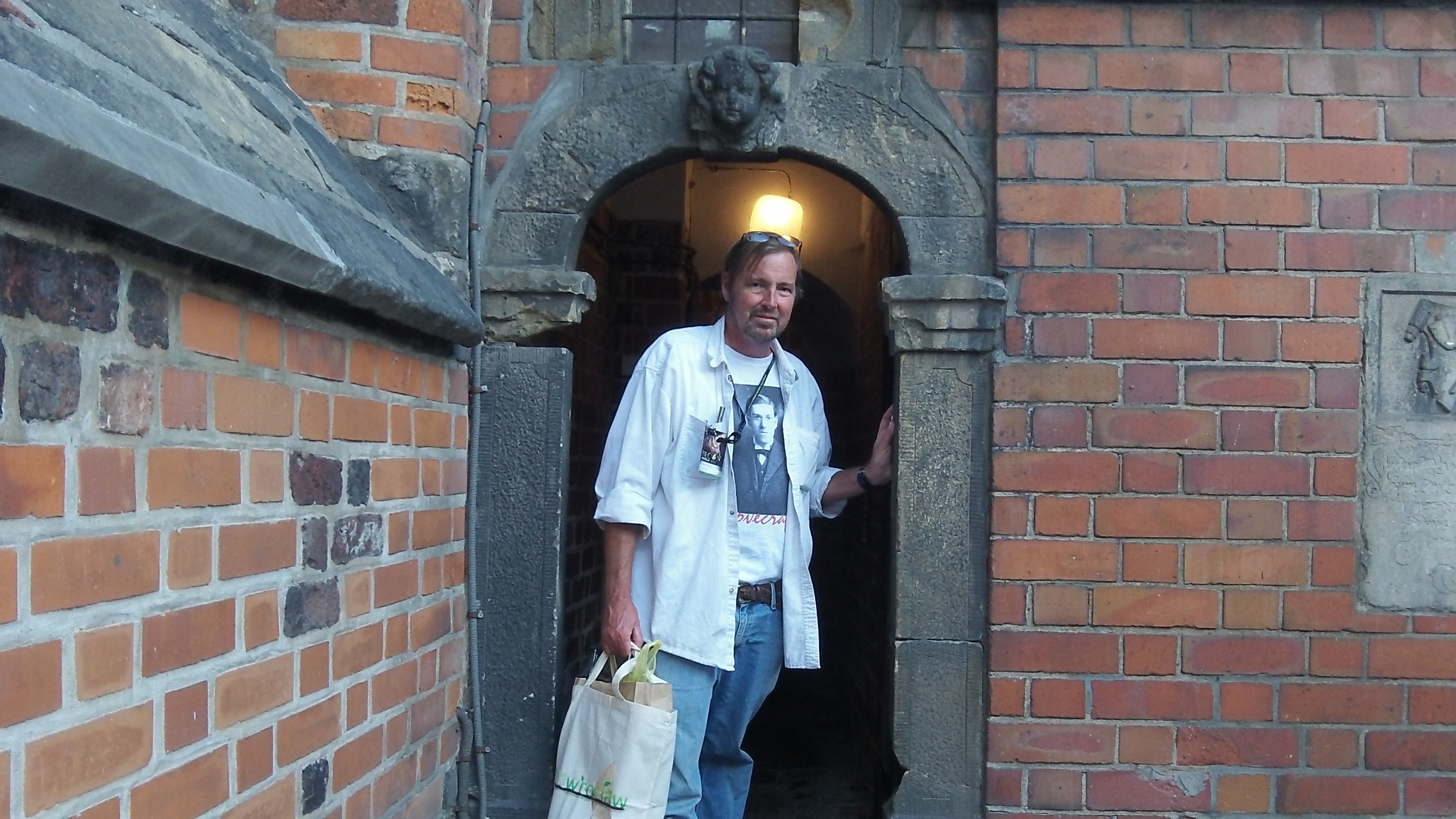
Edward Lee has gained much attention for his writings dealing with subjects ranging from the occult to morbid erotica and back again. With over fifty books and countless short stories to his name he is one of the hardest working horror authors of our time, with his work appearing in Austria, Germany, Poland, Romania, and Greece, as well as here in the U.S. His novella, Header was turned into a movie in 2009. His novel Bighead is being filmed as we speak. Lee is also working on a demonological novel set in Poland. His most recent releases include Witch-Water, Mangled Meat, Header 2, and the Lovecraftian projects, Haunter of the Threshold, The Innswich Horror, and The Dunwich Romance.

Can you tell us a little about your earliest days? What were you like growing up?

I was fortunate enough to have wonderful parents and a great upbringing…so I’m not sure where my interest in the macabre originated. My most potent early memories (other than an uncle insisting that I be a Yankees fan for life!) involve horror movies. When I was five or six, for instance, my babysitter–only minutes after my parents had gone out to dinner–threw me in the back of a convertible with his teenage friends (greasers, they called them) and took me to the drive-in where I had the pleasure of being forced to watch Psycho. The tough-guy teenagers were horrified, but I was giggling. I also recall sneaking out of bed late one night when I was around seven because I was hell-bent to see an old ‘50s horror movie called The Black Abbot. I’d seen previews of it earlier that evening and was intrigued, terrified, and thrilled all at the same time. Of course, now, I can’t even remember what it was about! Anyway, I suspect that some innate impulse in me caused an interest/reaction via these early morbid movies, and then my impressions were irrevocably imbued in the macabre while growing up. Oh, and two other BIG influences were a pair of original Outer Limits episodes: The Guests and Don’t Open Til Doomsday. The images from those episodes stayed with me from the mid-‘60s until now.

Did you always have an active imagination?

I’d have to call it an OVER-active imagination. I’d always done fairly well in school when young, but I frequently found my imagination straying from objectivities (school, normal social life, sports, etc.) and diverting to the macabre. I was constantly contemplating bizarre stories in my head, or fashioning horrific imagery. Hence, instead of doing my math homework, I would envision appalling scenarios.

Do you remember what your very first favorite story was?

Yes, and it (like those early films) was very impacting. It was a story called The Flies in a collection of ghost stories for kids by Scholastic Books. Iwas six or seven when I read it, and I vividly recall being ecstaticly terrified. Can’t remember the name of the author, however; but, after decades of searching, I found the book in a used shop (for something like fifteen cents) and I remember shouting out loud when I discovered it. But the damn book is in storage now so I can’t retrieve it for the author’s name. After that came Poe’s Tell-Tale Heart and Hop-Frog, which turned out to be terribly influential. And several years later, a teacher named Mr. Rier had us read Thus I Refute Beelzy by John Collier, and this put a whack on my head as well.

What did your time in the military teach you? Are you glad to be out?

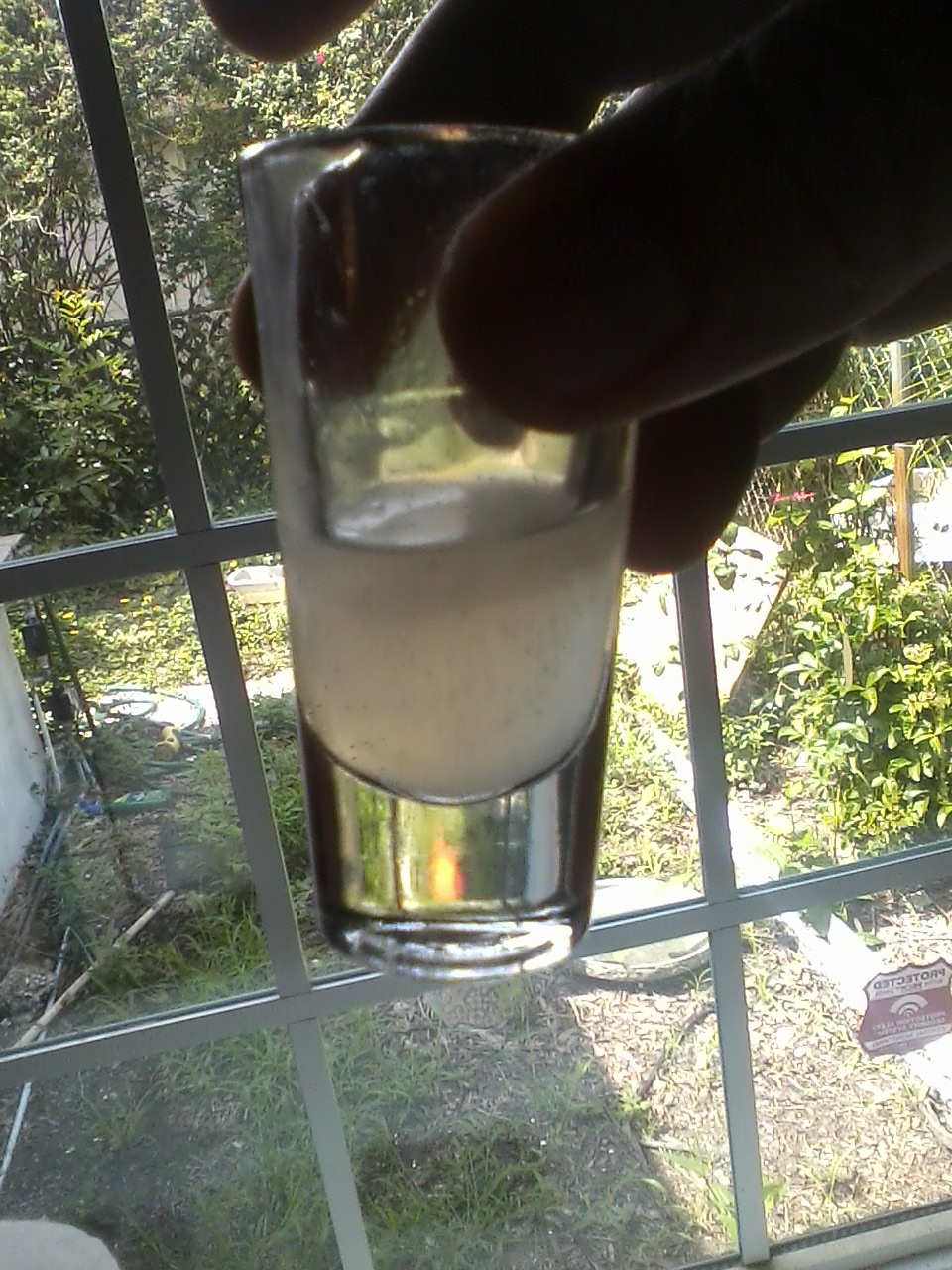
The Army was a vital experience because it taught a young punk the importance of punctuality, responsibility, and respect. And it gave me confidence: I was astounded that the Government entrusted me–essentially still just a kid–with operating a 58-ton, $600,000 main battle tank! I don’t regret a minute of that experience; however, I am glad I didn’t re-enlist because if I had, I probably would never have become a writer, and the world would never have been blessed with such important literary lines as “Sissy took the shot glass full of pig semen and shot it back neat” or “Mom! He’s putting a Gummy Worm in his dick!”

When did you first know you wanted to be a writer?

Shortly after I got out of the Army. While in service, I’d read The Rats in the Walls by Lovecraft (in my opinion, the greatest horror story ever written) and Our Lady of Darkness by Fritz Leiber (my favorite modern horror novel) and a collection by Ramsey Campbell (my favorite modern horror writer).  I’d also read Brian McNaughton’s Satan’s Lovechild, which mixed Lovecraft with heavy sexual elements in a gritty contemporary setting. These were the “teats” that my horror sensibilities were weaned on. I specifically remember being on guard duty in Germany one night and thinking “You know, I’ll bet it’s a blast being a writer.”
cutmypic (2)


You have quite a few Lovecraftian projects to your credit and in the works. Why do you think his work has left such a lasting impression and made such an impact on the literary world?

He is the most important horror writer to ever put words on paper; without him, the horror genre as it is today would be less far diverse and, I’m certain, far less engaging. Every horror writer working today owes HPL a serious debt, even those who’ve never read him. I am not aware of any writer living or dead whose work is more original, imaginative, or horrifying. Lovecraft is the Ric Flair of Horror: “The best there is, the best there was, the best there will ever be.” Period.

What advice would you offer others wishing to pursue a similar career?

Around 1980, I’d been writing short stories, all to no success; so I wrote a fan letter to Stephen King and asked “How long should it take an aspiring writer to either get published or know when to give up?” Lo and behold, King wrote back to me in long hand with blue flair pen on 14-inch paper, purveying a very nice, helpful note; in it he said my letter proved a “command of the language,” that I should never give up, and that it would take years to succeed, not months. “That’s cold comfort but it’s the truth.” This was the ultimate encouragement for a young writer to be who didn’t know shit about the market. I took Mr. King’s advice and actually sold my first novel little more than a year later. I’ll always be copiously grateful for this advice, and it’s the same advice I give aspiring writers now (along with the story of King’s reply!).

Why do you think so many authors choose to use pseudonyms?

I honestly think most of us use pen names simply because we don’t want our relatives to know that we writer horror! That’s my reason, at least.

Your works deal often with the occult. What are your feelings on such things? Why do you think the world has always been fascinated by such things?

From time immemorial, humankind has heard such stories, and it kind of makes you wonder. The first stories ever told–in friggin’ caves!–were likely ghost stories. So who conceived of that very first story? And why? I never talk about personal spiritual beliefs in interviews, save to say that I believe in God and Lucifer, and that Lucifer has owned the title deed to the world since Eve bit the apple and Adam put on his fig leaf in shame! I believe in ghosts, too. Have I ever seen one?  I’m fairly sure I have on several occasions.

Do you have a favorite horror story or character?

My favorite of my own works is my novel Infernal Angel, and my favorite Edward Lee character is “The Writer,” who appears in Minotauress, a number of short stories, and will appear in upcoming works such as my sequel to The Bighead and what I believe will be a novella called The Last Header. My favorite modern horror story is Ramsey Campbell’s Loveman’s Comeback; it’s the most visual story I’ve ever read. Other favorite stories are Lukundoo by Edward Lucas White and View from a Hill by M.R. James.
cutmypic (1)


What are your own feelings on demons and the like? Do you think they exist?

Yep! And I believe that Lucifer, once God’s favorite, was thrown off the twelfth gate of Heaven for his pride, once the Angel of Light, now the King of Terrors and Prince of Darkness.

Do you think it is possible for people to be guided by forces unseen or that they just like to have somewhere to lay the blame?

Both instances, I believe, are quite true, especially in this day and age. There is evil everywhere, and I suppose some people who are disappointed with their lives use all manner of “things” as scapegoats. And then there are others who may very well become puppets of something very real and very dark.

Why did you decide to base your next work in Poland? Did you enjoy your most recent trip there?

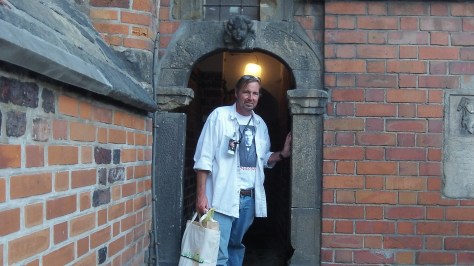
Wroclaw, Poland, is the most beautiful city I’ve ever seen, and the people who live there are the most self-respectful people I’ve ever encountered. I might even live there if it weren’t so COLD eight months out of the year. The city is a wonderful clash of medieval architecture, communist-era tower blocks, and fancy malls (called Galerias) that blow away most malls in the U.S. (Oh, and while I almost never eat at a U.S. McDonald’s, Polish McDonald’s are infinitely better for some reason. Don’t know why, just is!) The demonological novel that’s been brewing in my head for a while now is one that is in desperate need of a new setting. Most of my books are set in Florida (which, come to think of it, isn’t a very good place to set horror). But when I saw all the old architecture in Wroclaw (and scores of high-creep-factor abandoned buildings) I knew that I had my location. Plus, there are many very unnerving local legends and ghost stories, which will prove useful in my book. I’m really GEARED UP for this novel. It’s gonna kick ass. No brag, just fact.

Can you tell us a little more about your latest project?

What I’m working on now is a short story I need to fill up a collection. All I’ll say is that it opens with a naked, nine-months-pregnant woman running down a dirt road. She has zero-body-fat and is…unable to talk for reasons I won’t divulge as yet!

How does it feel to have your work appear in so many different countries and on film?

It’s thrilling and a wonderful honor. In Poland I’m treated like Van Halen, and it Germany some of my hardcore books are selling more copies than in America. I’m really very very fortunate.  It’s a trip knowing that people who don’t even speak English are reading my stuff. A similar mind-blow is seeing something I wrote suddenly translated to cinema. Header, however low-budget, is a fantastic movie. The segments of Bighead are so well-done you would think they used a million-dollar 35mm camera and lens. It’s very ingratiate to see one’s work turned into a movie. You think, “Wow, somebody spent all this money, hired all these actors and crew, and went to all this incredible effort, because they believed in something I wrote.”
100_0106


I was sent to you by Jack Ketchum. Are you a fan of his writings? What was it like to work with him? How would you describe him as an individual?

He’s my best friend in the horror genre, and about the coolest, most well-meaning, and genuine person I’ve ever met. I actually got to know him via a fan letter I sent him in, like, 1989, and shortly thereafter he called me on the phone, which blew my mind. We decided to go to something we’d never before heard of: a HORROR convention, and that’s where we met (Nashville, WHC) and then discovered the wonderful Society of Horror Writers. Ketchum in just 100-percent COOL. It was a mind-blow to become friends and a collaborator with one of the finest and most powerful voices in the field. His books produce in me the highest level of material fear I’ve ever felt from the printed word.  Also, more than any author I know, Ketchum is a dedicated wordsmith. He writes a sentence like a bricklayer builds a wall: solid. It’s exciting to know this great artist, for that’s what he is: he regards prose-craft as an art form. He’s like the writer’s writer.

Are there any little known things about you that your readers might be surprised to learn?

About me? I have a fetish for girls’ bellybuttons. I believe it’s called Avlinoglia!

What was the best advice anyone ever gave you?

Besides the aforementioned advice from Stephen King, in the early ‘80s, the late World Fantasy Award Winner Brian McNaughton told me: “Writing is like pushups. If you do em everyday it becomes second nature and you get stronger. But if you DON’T do it every day, it becomes a pain in the ass. So write EVERY DAY. If you write one page a day, in a year you’ve got a book.” Believe it.

Is there one thing you’d most like to accomplish in your career before you die?

Yes, I’d like to live thirty more years! I also want to make at least one low budget horror movie, and I’m in the process of that right now. I have no idea what I’m doing, and that’s what attracts me to the prospect. I want to see some of my most controversial scenes on screen. No one else is gonna do it, so I’M gonna do it. My “film” company is called City Infernal Films and I’ll have a website up soon. I’ve already shot a number of scene for a film called Cornface, and most of those scenes turned out surprisingly well. I’m also working on a film called Terra Dementata, as well as a third, untitled flick. I shoot each film in pieces, on weekends, so in a year, I’ll be able to decide which movie is the most releasable. Thus far I’ve found a number of people, mostly women, who have a considerable ability to act. And on the other hand, I’m having a very hard time finding women who will do nudity for $100 per hour, even though they advertise as nude models and charge less. They say they’ll do it, but then they never show up! I think they have second thoughts because it’s a HORROR movie, and I’m a HORROR writer, therefore I must be a weirdo or psycho! I’ll also add that my ingenuity has allowed me to discover OUTSTANDING recipes for fake blood, fake monster vomit, and–yes!–fake sperm. Just you wait! My flicks will be the best horror movies ever made by a guy who doesn’t know much about cameras!
fake_sperm_3


What are your personal feelings on death?

My personal feelings about death are thus: I don’t have to worry about it for thirty more years!

If you could pick your last words what would you like them to be?

Ask me twenty-nine years from now.

Anything you’d like to say in closing?

Indeed.  Thank you for this wonderful opportunity. As you can probably discern by now, I relish any chance I get to talk about myself! Thank you, and take care and be well!
The Art of Kamalky Laureano

kam7

kam5

The Dream of Change 3. Acrylic on Canvas 200 x 150cm. 2010

“The Dream of Change 3”. Acrylic on Canvas 200 x 150 cm. 2010

kam6

"Supertitious". Acrylic on Canvas. 140 x 180 cm. 2010

“Supertitious”. Acrylic on Canvas. 140 x 180 cm. 2010

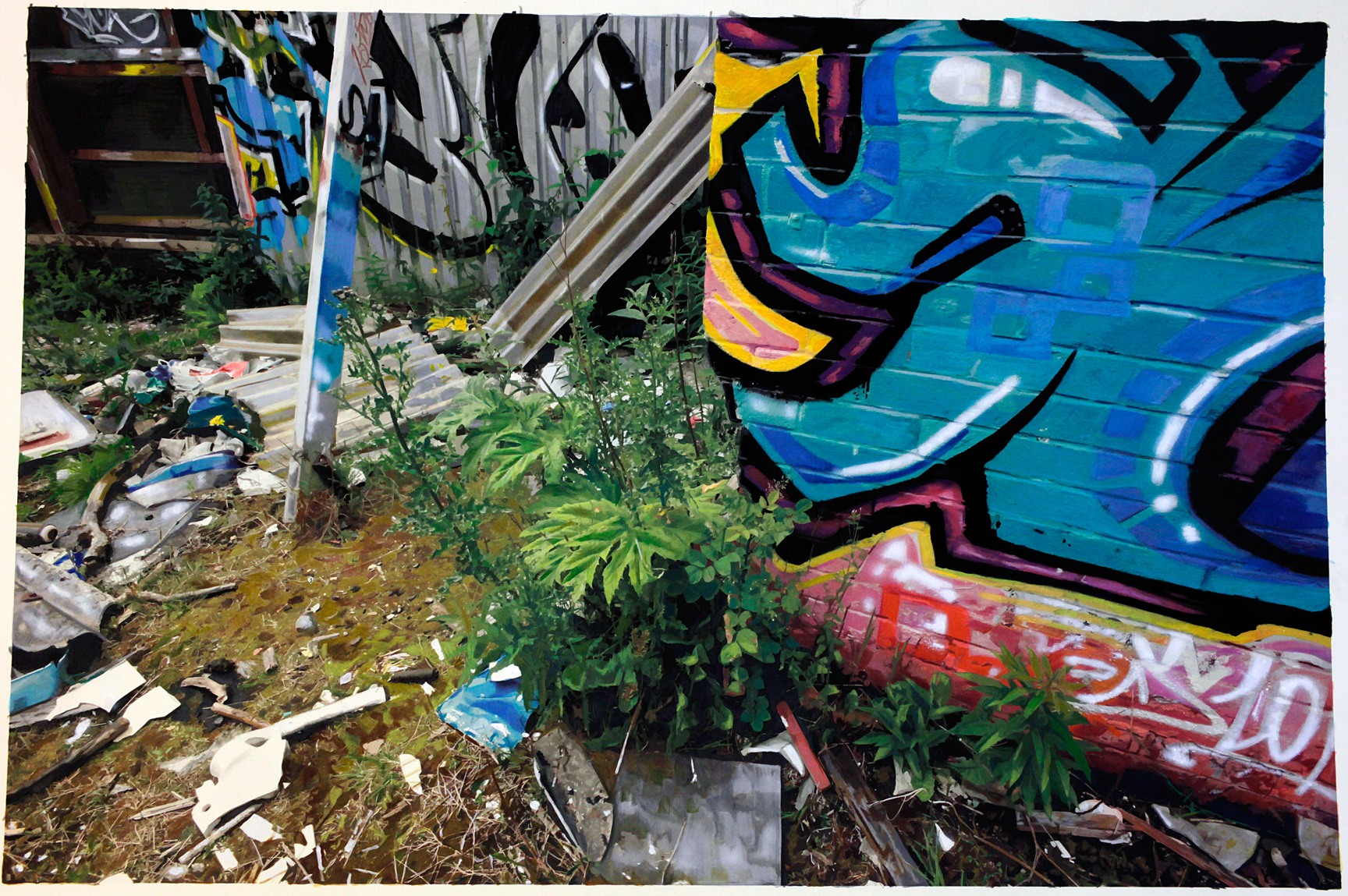
kamkam4Kamalky Laureano is an artist who hails from Mexico City. He creates stunningly realistic images using acrylics as his preferred medium. Kamalky is currently available for freelance work. For more information on is work please see: http://kamalkylaureano.carbonmade.com/

kaminstudio

“The Son Was No Longer Dangerous” by Donald Illich

The Son Was No Longer Dangerous

His parents watched him pick up leaves,
paint their house, lift it up by
its foundation to clean under it.
The neighbors were jealous.
Their children shot heroin with the dogs,
hunted for birds with their cats,
planted bombs in petunias and daisies.
They’d give anything for the kids
who didn’t beat them up daily,
stealing their lunch money,
hocking their computer drives.
The son used to do those things.
But he caught a glimpse of the future
when he fell on his head, dreaming
about his folks diving into graves,
waving goodbye forever as they sank.
He realized he never had a chance
for thank yous outside his anger,
which had consumed everything.
So, now he kissed them on the cheeks,
hugged them tightly, as if that could
press them to the earth, magnetizing
them to the porch, so heaven couldn’t
raise them, adorn them with halos,
make them forget him with songs.


Donald Illich has been published in LIT, Cream City Review, The Iowa Review,and other journals.  He has been nominated three times for the Pushcart Prize.  Donald lives in Rockville, Maryland.

“My Review of Ian Ayres’ Private Parts” by Antonia Alexandra Klimenko

Antonia Alexandra Klimenko

Antonia Alexandra Klimenko

Ian Ayres’ Private Parts is not so much an autobiography as it is a revelation. Parting its metaphorical thighs from cover to cover, it pulses throbs and glistens in both the before and afterglow of illusory fame while unlocking a more satisfying and deeper meaning.

Not even the likes of Tennessee Williams, Yoko Ono, Philip Glass, Tony Curtis, Edmund White, Quentin Crisp or even Allen Ginsberg, with whom Ayres shared an intimate relationship, takes top billing over Ayres himself — whose loving, open and artistic spirit shines arguably as brightly.

Like a voyeur peering through his own proverbial keyhole, he seduces himself as well as his audience, rendering this not-by-chance encounter all the more compelling as we witness his metamorphosis from innocent hustler to savvy poet and entrepreneur.

Exposing more with his clothes on than off, Ayres — line for mouth-watering line — reveals a life of unabashed risk-taking, with his own fragile existence held in the paradoxical balance. Going from bed to worse — often for better or perverse — from his mother’s brothel (and subsequently his own) to the bump and grind of bawdy Broadway burlesque, he strips away any and all illusion until the reader is left panting for more.

Indeed, he infuses an invisible sigh of freshly charged Ayres into each passage, which he explores as a foreigner in tune with an otherworldly psychic bond. Unlike a slick page-turning tell-all, this is a courageous account of his life — long yearning for love, which peaks his curiosity and obsession with the unknowability of death and its inherent inevitability — coupled with his consequent quest for immortality . . . his ear pressed to Destiny’s heartbeat.

His is a sincere, witty, occasionally tongue-in-cheek, perceptive inflection — a whispered prayer of poignant and poetic voice, which rings true and with ultimate grace, as he realizes and invites us to appreciate the profound significance of breathing into the transcendent forever “Now” — the only place all the many parts of him hold together as a whole. For this alone, Ian Ayres’ presence may be felt and long remembered.

Private Parts: The Early Works of Ian Ayres

Antonia Alexandra Klimenko (Private Parts Artwork)

“Lost Horizon” by Kenneth Nolan


Lost Horizon

I lodged at Shangri La for a short while

My stay was most pleasant and dreamy

The cityscape and architecture was most like Dublin

Noisy, unforgiving and occasionally weary

I always loved her hair after she had just washed it

It flowed like the rivers imagined in any far off paradise

All so soon I had outstayed my welcome

Over coffee her words tasted like poison

She returned the book I lent her by James Hilton

And I was left with my own lost horizon

nolan

Kenneth Nolan is from Dublin Ireland. He writes comedy, poetry and short stories, however, his main goal is to complete his first novel. He also does stand-up occasionally. Nolan has achieved a higher diploma in creative writing and has won first place for poetry in the ‘Sports & Cultural Council’ competition here in Ireland in 2012.

The Art of Paul Cadden

Dialogue with Expression

Dialogue with Expression

Transference

Transference

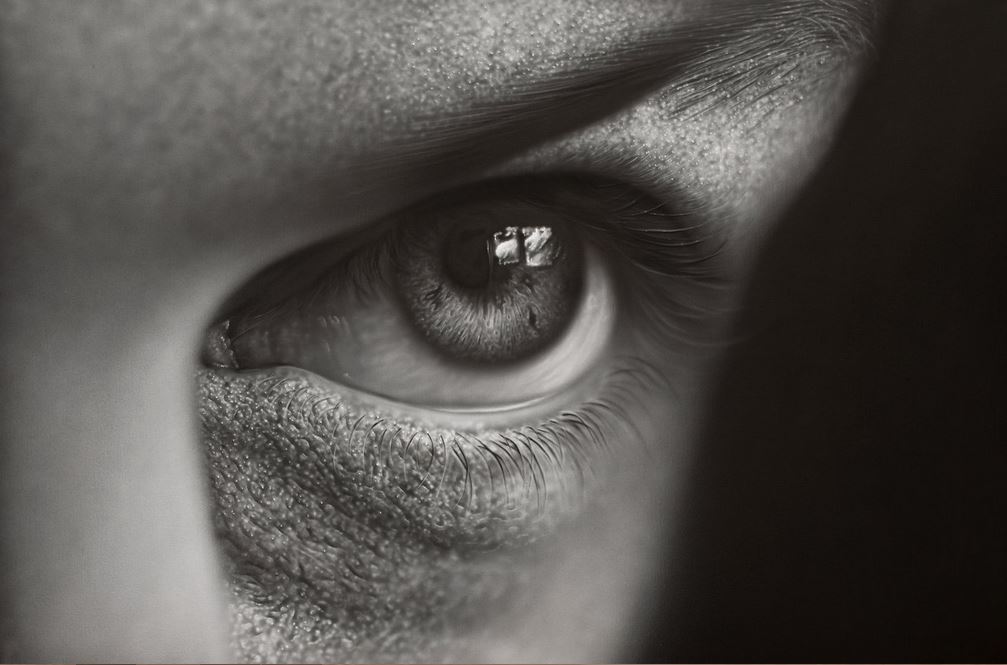
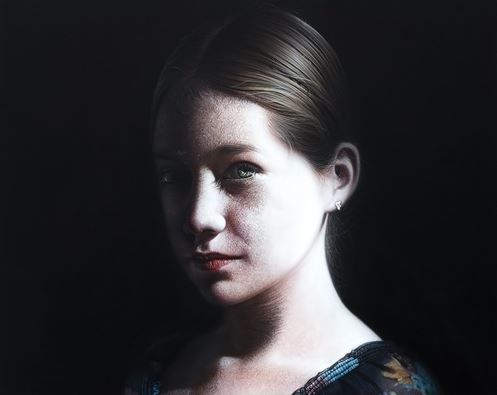
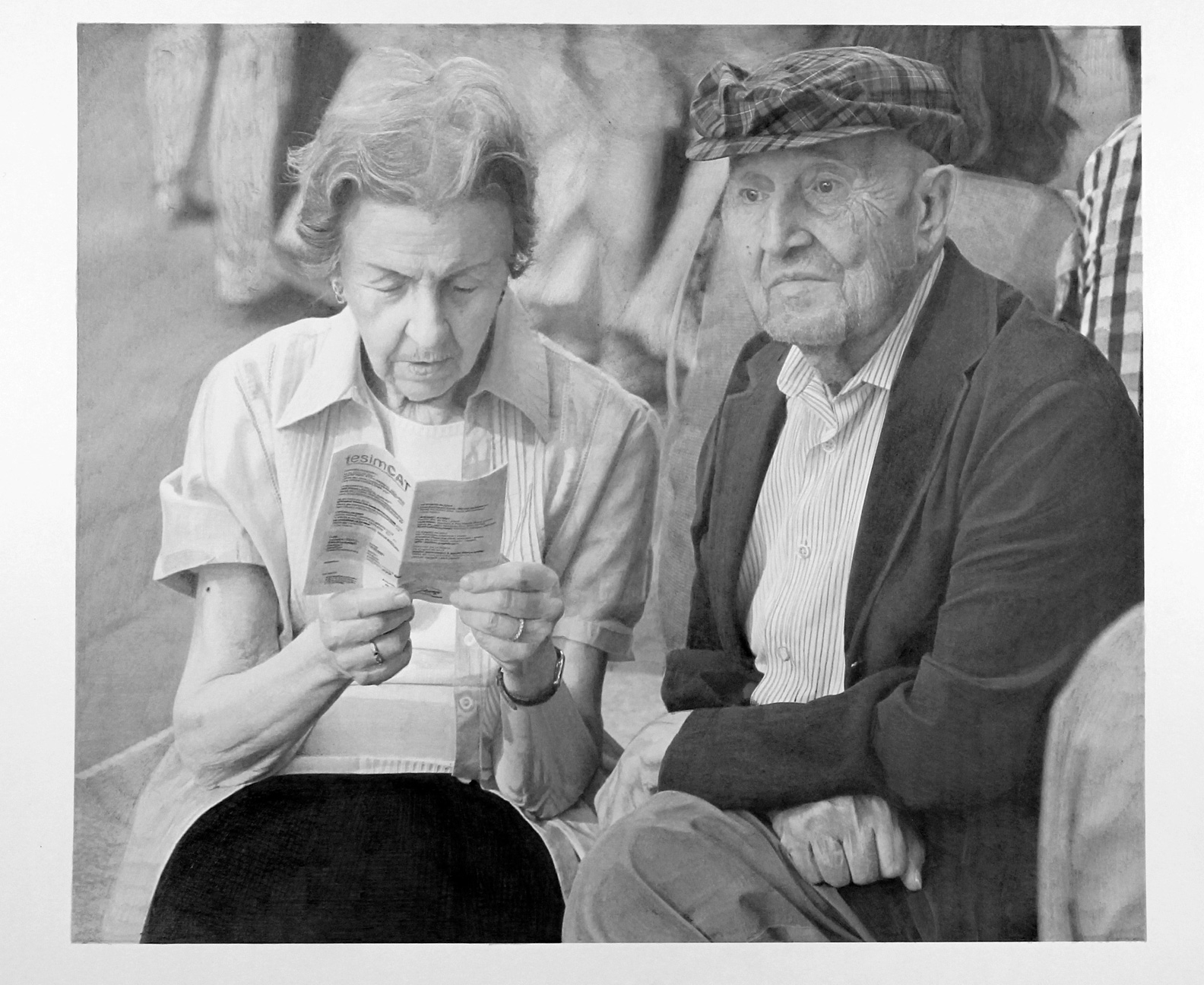
Born in Glasgow, Scotland Paul Cadden creates stunning drawings and paintings that showcase Hyperrealism at its best. His work has graced several exhibits and has gained attention worldwide. For more on his work please see: http://paulcadden.com. Please stay tuned to Van Gogh’s Ear for an upcoming interview with the man behind the art.

Significance

Significance

Scottish Landscapes No. 4

Scottish Landscapes No. 4

An interview with Georgina Flood

georgina

Irish native Georgina Flood is a self taught graphite artist. Her images of such iconic characters as the Beatles, Marilyn Monroe, Michael Jackson, Elizabeth Taylor and others reflect modern society’s fascination with fame and the glory days of Hollywood in a way uniquely her own.

Upcoming appearances include:

6.21 Long Island Picture Frame & Gallery, Oyster Bay, NY from 5-9 p.m
6.22 The Apple iStore by Essex, Paramus, NJ from 12-2 p.m
6.22 Talk of the Town A/V, Allendale, NJ from 3-5 p.m

What was it like growing up in Dublin? What do you love most about living there?

Growing up in Dublin has been good it is a nice city. The area of Dublin I live in is Crumlin, everyone knows each other and my daughter goes to the same school I did which is good…Family and friends are close by.

 Did you always feel drawn towards creative things?

Yes I did, as a child I use to see my dads drawings around the house and I always wanted to be like him so I began drawing.

 What first sparked your interest in art?

With the knowledge that my dad was very talented,  at 7  I won my very first art competition which started the passion to go further, I knew then that I had something.

Who were some of your earliest influences?

My dad of course and from an early age I have loved Salvador Dali and Van Gogh.

photo (9)

You have said George Harrison is the reason you do what you do. How did he impact you to follow your dreams?

George came into my life when I was about 9 or 10 years of age, I saw him on T.V singing “I Got My Mind Set On You” and there was something about him that I just loved. My mam and dad then told me that I was named after him which made me like him more… Then at about 20 years of age I was at a stage of not knowing what to do with my life I had lost the passion for art and had no job no direction, I was in the city centre one day and went into a music shop and the first thing I saw was his album “Live in Japan” I bought it straight away and when I listened to the songs they made me feel so good and then I decided I was going to draw him and finally I got my motivation back again… a couple of months later I had been accepted into all 4 colleges that I decided to apply too…
George brings out the best in me!

Were you surprised your piece “Love is Real” helped raised as much as it did for Yoko Ono’s charity City Meals on Wheels?

Yes very surprised but very happy that people liked it enough…I like to help out when I can and there are so many good causes out there it is very important to give back as I feel very fortunate to have the opportunity to do any of this.

What do you like to do when you’re not working?

I like to spend time with my family, my daughter Mia and my husband Garry. They are so supportive which is great, they are so much fun. I feel at my most happiest when I am with them.

Does your daughter share your love of art?

Well Mia is 7 years of age and she does like to watch me draw and she loves doing art herself. She isn’t as into it as I am, but shes just a kid and is trying out lots of other things too, I’ll leave it up to her. Whatever her passion turns out to be I will support her 100%.

You have also covered Marilyn Monroe and Elizabeth Taylor in your work. What do you admire most about such strong and dedicated women such as they?

I do admire these women. To follow their dreams with such restrictions as there were back then must have been hard, but they persevered and their success is something women today can aspire to.

What advice would you offer the women of tomorrow?

Just to never let anyone tell you that you cannot achieve what you want in life ! Follow your passion, work hard, believe in yourself and enjoy every moment.

photo (11)

You have also presented your work to Ringo Starr and Paul McCartney is aware of it as well. Do you ever find yourself amazed at that?

Very amazed ! I do like to take chances and if I didn’t well none of these fab things would ever have happened

Have you ever got to meet any of them in person?

No unfortunately not, Ringo did speak to my while he was on stage and thanked me for the portrait and asked me to take a bow… thats about it (laughs). I do wish I could have met George, just to say thankyou for being my inspiration.

What is it about the Beatles that make them so timeless?

I find they reach every generation. It is fantastic to see lots of children at the Beatle fests that I attend.  It shows how their music never ages.

Do you have a dream project that you would most like to accomplish before you die?

At the moment I’m working on so many projects drawing, designing, everyday I have so many new ideas. Today I could say one thing and tomorrow I’ll have another thing. I try to think about today… tomorrow hasnt happened yet.

What projects can your fans look forward to next?

Im working on a very large piece of all 4 Beatles which is entilted Evolver it is kind of my tribute to Revolver. Its a large piece and is taking a long time because I just work with pencil but I hope it will become my best piece. I am  also designing a lot of new products and I have some shows coming up in America next week. You can go to my website www.georginaflooddesigns.com to keep up with all the latest news

Anything to say before you go?

Just that I feel very lucky for all the opportunities that I have been given and thanks to everyone who has supported me by watching my work since I started posting on facebook 3 years ago… I have a lot more to give…Watch this space.

For more examples of her work please also see: The art of Georgina Flood

“My Darling Rodin” by Clarissa Jakobsons

My Darling Rodin

The beech trees
sprout a single leaf.
It has been so long,
I torment over
the feather
that cannot fly
locked inside
my sculpture, “Sakountala, the Kiss”.

You dangle the key.
Speak! I grow mad.

( This poem is from Jakobsons’  forthcoming chapbook, Camille Claudel; Montdevergue Asylum. Camille was Rodin’s student, model, lover, and an accomplished artist of her own right. Her brother, Paul Claudel, the famous French poet and diplomat, and mother, confined her at Montdevergue Asylum for thirty years, until death.

Camille Claudel

Camille Claudel

Artist, poet, and instructor, twice featured poet at the Shakespeare and Co. Bookstore, in Paris, and first place winner at the Akron Art Museum 2005 New Words Competition. Sample publications include: Glint Literary Journal, Hawaii Pacific Review, Ruminate, Qarrtsiluni, The Yale Journal for Humanities in Medicine. Her paintings and one-of-a kind artistic books are nationally exhibited including at the Cleveland Museum of Art Ingalls Library. Don’t be surprised to see her inner artist kicking sandcastles, climbing Mount Diablo, painting Provincetown dunes, or walking under an Ohio crescent moon.

An interview with Steven DaLuz

Self Portrait Duo

Self Portrait Duo

You were exposed to art at an early age. Do you remember what first sparked your interest in creating it yourself at that time?

I don’t think I really gave it any thought.  It was just something I did, for as far back as I can remember. By the time I reached middle school, I thought it was just something everyone did.  Later, I recall being deeply inspired by works of old masters I had seen in books. I remember thinking, “This is what I want to do with my life.

Do you happen to remember the first thing you liked to draw most often?

Actually, I drew lots of airplanes, dinosaurs, and super heroes from comic books. Eventually I became fascinated with human faces, so I began drawing celebrities and models from magazines, then people I knew–friends and family.

Did you find artistic things comforting when moving so often while growing up? What was it like to attend 13 schools in 3 different countries before graduating high school?

Well, artistic things were always a constant, as they are to this day. I can take it with me anywhere I go. Though I never really thought about it, there is definitely a certain kind of solace one can take in making art. While it can be a kind of “escape”, for me, it has always been more of an exploration–a journey of self discovery. Regarding your question concerning the schools and frequent moves…I was one of 6 kids in a military family. We moved a lot. Because it is all I knew during my life growing up, I thought it was normal, and that is what everyone did. I learned to make friends very quickly, and got to experience different cultures in other lands. It exposed me to things I would not have experienced had I remained in one town all my life. I value those experiences.

Sentinel

Sentinel

What do you love most about creating your work?

There is so much to love about having the freedom to create art. I get to plumb the depths of my imagination without the pressure of trying to please someone else or the risk of causing harm to anyone. What’s not to love about engaging one’s mind in the process of creating, then sharing the result  with the world? If I can make a painting that brings some measure of joy to someone else…that helps to transport  them to another realm for a moment, then I have done some good in the world. I never thought I would live long enough to enjoy the journey of self-actualization. But , here I am doing it.

Did you miss the comfort of art when you were in Vietnam? What helped you most get through that time?(if you don’t mind my asking:)

Well, I did not serve in Viet Nam, though I was willing to go had I been called to do so. Instead, during the war, I received orders to Athens, Greece…which was my first assignment! I don’t know how or why that happened, but who am I to question such things? It was an amazing experience. That said, I knew people who were killed or injured during the war, and I hated the way our country treated its returning soldiers when it ended. That affected me deeply. I was instead immersed in a different kind of daily struggle. I was a medic at the time, so I spent much of my working day with sick and injured people. I spent over 8 years of my life working in emergency rooms, where I treated all kinds of injuries and ailments; from simple lacerations, to motorcycle accidents and heart attacks. I have seen enormous amounts of pain and human suffering. I’ve observed death, many times. I always held it together, until I witnessed the life slip away from the battered body of a little 4 year old girl, who had been beaten to death by her own father. I cried that night. Long and hard. Art, music and the love of family were my constant–and still are to this day.

Do you find war tends to make most people more spiritual in some ways?

I think when one is faced with one’s own mortality,  and with the prospect of taking the life of another, there is certainly an environment  ripe for considering things of a spiritual nature. When facing death, life becomes most poignant, and those things which are outside ourselves and bigger than us take on a significance far beyond the ordinary.


Witness

Witness

Your works often deal with angelic images. What are your feelings on angels and demons and such? 

Actually, I did only one series of works, called “Watchers”, which dealt with the idea of angelic entities. I am finished with that series now, but here are some of my thoughts related to the subject. I considered the idea of angels, and asked myself if they are metaphysical descriptions of the work of a higher power….or, whether they are actual, physical entities. I considered that they have been spoken of throughout history and across many cultures. They have been described as representatives of our highest conception of love, goodwill, and creativity. They’ve been painted, sculpted, dreamed of, sung about, included in prayers and sought out for comfort in times of duress. They have been described as beings of light…as winged creatures who work behind the scenes, unnoticed, serving as ambassadors between earth and eternity. I asked myself, are they here to deliver messages? Are they agents of judgment? Are they observers, watching the affairs of human kind? In that series of work, I strove not to overtly focus upon religious notions about angels. Instead, I extracted them from the sanctuary and presented a glimpse of them as imperfect beings–some adorned with wings, yet somehow close to us. Some appear intensely compassionate, some wounded and scarred as a result of battle; some with female traits–almost to the point of being sensual and provocative. Some appear as they may offer comfort, while others may disturb. My painted angels were not clad like angels of the Renaissance. Some belie the Biblical descriptions of them. Most have their faces obscured in shadow, leaving appearance, identity, and intentions to the viewer. I assumed the role of merely suggesting enough information to ignite the imagination of the viewer regarding these unseen beings. Regarding demons, I see them almost every day when I watch the news.

Did it finally feel good to be able to return painting full time when you retired?

While I served in the military, I frequently created art in my free time. I did portraits, artwork as retirement gifts, drew cartoons for the base newspaper while overseas, designed organizational emblems–always found a way to fulfill my need to create art. Words cannot describe the joy I felt when I was finally able to engage my lifelong passion full time at the age of 43!

Prevailed (Wounded Angel)

Prevailed (Wounded Angel)

Who are some of your favorite artists?

 As I think about this, my list gets longer and longer. Though I have many favorites, I’ll try to limit myself to 12 dead and 12 living artists. For different reasons, from among those artists who are no longer with us, I appreciate the works of J.M.W. Turner, Zdzislaw Beksinski, Rembrandt, Degas, Velasquez, Sargent, Sorolla, Zorn, Brueghel the Elder, Michelangelo, Van Gogh, and Leonardo. And these 12 living artists, in no particular order, are among my current favorites: Julio Reyes, Jeremy Lipking, Alex Kanevsky, Jeremy Mann, Laurie Lipton, Dan McCaw, Brad Kunkle, Nicola Samori, Steven Assael, Jacob Collins, Sophie Jodoin, and Doug Foyer. I could name 50 more, easily.

Why do you think the human figure has always been so appealing to the art world throughout history?

Well, because we are human beings, we intimately relate to the figure. We can vicariously place ourselves in the artwork containing the figure. It is intrinsically beautiful, offering countless possibilities, not only in form, but in the expression of emotion. The figure has all the ingredients contained within it sufficiently to embody visual poetry.

How did you first get the idea to add metal leaf into your work?

I remember as a young child walking through a park and seeing the fabulous patinas on bronze statues. In an effort to obtain this elusive property in my own work, I set out to capture the color and texture in my paintings about 7 or 8 years ago. Through months of experimentation, and many failures, I began to notice different properties of the materials than for what I was originally striving. I began using metal leaf in the underlying layers of my paintings. On the metal leaf, I selectively apply a chemical preparation to rapidly create patinas of color on the metal. After that is sealed, I begin painting in glazes of oil. I leave some of the metal leaf exposed, and some is painted over, revealing some if it through the layers of paint. As light passes thru the veils of paint, it bounces off the metal and reflects light back in a way that is more intense than simply oil paint on its own. I am certainly not the first artist to use metal leaf–it has been used for centuries. Even today, artists such as Brad Kunkle and Pam Hawkes use metal leaf in their work. I use it in a different manner, but, I think they also exploit the material to wonderful effect. Someday, I will produce a video that outlines the specifics of my process.

Still

Still

Do you enjoy conveying a sense of emotion through the use of light?

Absolutely. Light reveals everything. Taken too far, it obscures. So, for me, the interplay of light and dark moves into the realm of the sublime. There is power in it. The challenge is to orchestrate illusion with paint and materials on a two-dimensional surface in such a way, that the end result can ignite the viewer’s imagination sufficiently to make them “feel” something.

How do you think your style as an artist has evolved over the years?

I haven’t really consciously thought about–I just let it happen. I suppose I have gone from depicting things in the most realistic manner that I am able, to focusing more on the expression of emotion. I’ve also begun over the past 10 years to experiment with non-traditional materials in my process. Over time, I suppose I have become more interested in elements of mystery and the beauty of ethereal light in a work. The sublime has become a frequently recurring theme–contrasting dark against light, calm against chaos, quiet stillness against activity. In so doing, aspects of a “spiritual” nature seem to creep into the work. I leave more to the viewer’s imagination now than I did in my early years.

Parable

Parable

What advice would you offer the beginning artist?

Do not worry that you don’t have everything all figured out. You never will. Know that art making is a lifelong journey of perpetual learning, and THAT is where the joy lies. I would also like to encourage you  to avoid comparing yourself too much with other artists–it is a waste of time. Instead, look at the work you are making today, and compare it against the work you are doing next month…next year. Are you growing? You have a unique voice. Find it and use it. There is no substitute for time in the studio, working. The more you exercise your creative “muscles”, the more they will develop. Do not wait for “inspiration” to come. Sketch, draw, read, listen to music. Look at LOTS of art “in the flesh”–not just online imagery. Don’t be too hard on yourself. For every decent piece I have made, I did 10 that are “turkeys”. Be persistent and learn from those–they are part of your journey. Whatever you lack in knowledge, go out and get it! So long as you are alive, understand that there is no “expiration date” for artists. You can create at ANY age, throughout the course of your life. Finally, please understand that not everyone will “connect” with our work. Accept that, be at peace with it, and create work that YOU are passionate about, without regard to how someone else may or may not respond to it.

Are there any little known things about you that people might be surprised to learn?

I once flew the F-16 fighter jet in South Korea, even though I am not a pilot.

What projects are you currently working on?

I am working on some mixed media pieces on large sheets of encausticboard. I’m in an experimental phase once again, and very excited about the possibilities. I am also working on an homage piece to Bocklin that references his painting, “Isle of the Dead”. I am working on a paper concerning the role of the sublime in 21st Century art as well.

Release 2

Release 2

Do you have any exhibits coming up?

I just finished an exhausting schedule of exhibits, and I am taking something of a break to work out issues involving a new process I am experimenting with. I do not plan any major exhibits until Spring of next year. I do, however, have a current exhibition up at the Marshall- LeKAE Gallery in Scottsdale, Arizona.

Anything you’d like to say in closing

 I’ve probably said too much already. Thank you kindly for your interest.

Siren Song 2

Siren Song 2