An Interview with Jackson Benge of Hed PE

hedpe2slightcolorrev (2)

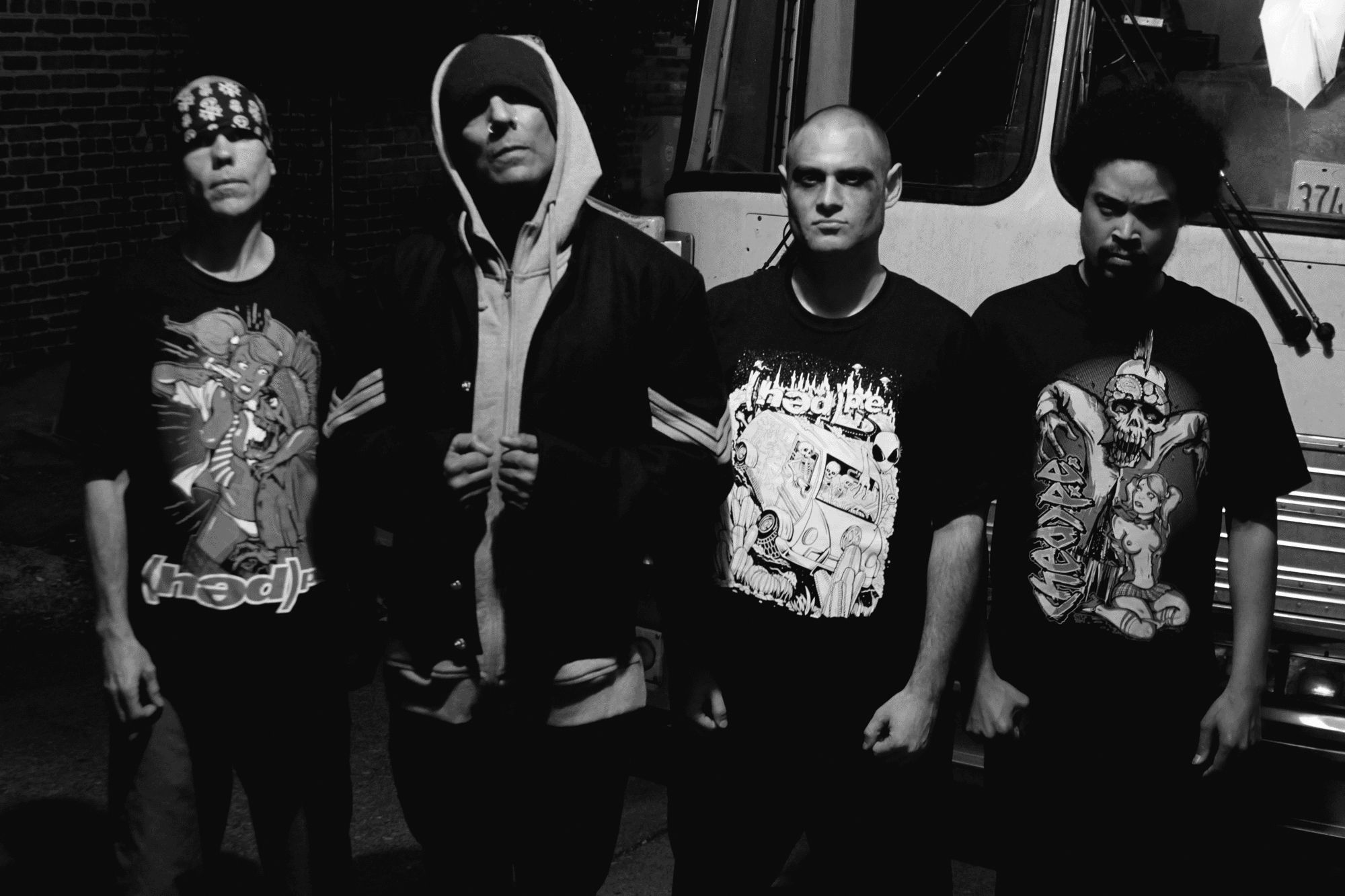
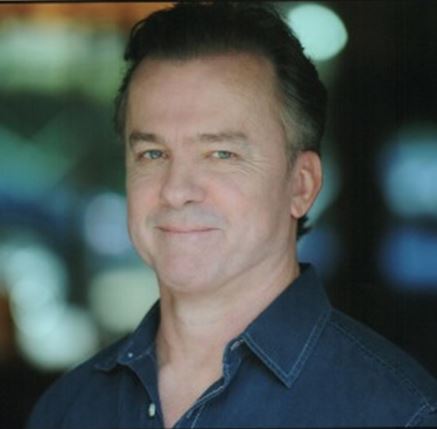
Hed PE is back with their ninth studio album to the delight of American Rapcore fans everywhere. Their latest offering Evolution is slated for release this July on Pavement Entertainment. Comprised of Jared Gomes(vocals), Mawk(bass), Jackson Benge(guitar) , and Trauma(drums) the band is back with sounds heavier than ever. For more information on the upcoming tour please see: http://www.hedperocks.com/

What were you like as a child growing up? What would you say are your most fond memories of that time?

I was a hyper kid. My grade school teachers would always write the same types of comments on my report cards; “He has a lot of energy,” or, “Distracts other kids.” I couldn’t keep still and couldn’t stop staring at the clouds. My imagination was my best friend and I used to love to draw. One of my fondest memories growing up was the first time I rode a bicycle without training wheels. As long as my memory is still intact, that will remain among the fondest.

How old were you when you wrote your first song? Do you remember what it was about?

I was about 15 or 16 years old when I wrote one of my first actual songs. Believe it or not, I wrote the lyrics as well. It was called, Hold On, and it was a cross between Earth Angel by the Penguins and Don’t Cry by Guns ‘n’ Roses. It was a simple love song about wanting to be with a girl you can’t have. At the time, many girls around me seemed to like that song, so I guess it was a relative success.

Are you excited to be releasing your ninth studio album on Pavement Entertainment?

Evolution is our 9th studio release and it’s always exciting to put out a new record, especially with a label like Pavement, which clearly has a solid grasp on how to treat their artists. The team we now have working with us is incredible. When I talk to others who have worked with Pavement, they have nothing but great things to say about them as well.

 How does this album differ most from albums past?

Every album is said to be different from the prior, but this one incorporates a style that we have yet to showcase, along with some reggae tracks. The style we include on this one is similar to what is known as doom metal. But, to me, we’re really just paying homage to Black Sabbath. We started jamming on a couple of riffs that fit that description and it was obvious to us that this was an avenue worth exploring.

Are you looking forward to hitting the road with the rest of the guys? What is it like to work with them?

We are all partners in crime and have been through a lot together. We all know our places and have nothing but the utmost respect for each other personally and professionally. On stage, there is a chemistry that cannot be matched and can only be generated through time.

What do you think it takes to make a band that has lasting power?

We have some of the most loyal fans any band could ask for. They have stuck with us through thick and thin, so that’s the real reason we’re still here. From within the band, however, it takes communication and mutual respect. Those are the most important factors that contribute to any long-term venture.

hed pe new

How has the music industry changed most since you started working in it?

The economic downturn in 2008, I think, had a substantial impact on the music industry as it did with everything else. The increase in music downloading marked a drastic decrease in CD sales. Today, bands that chart high on the Billboard 200 aren’t selling as many CDs as bands that would have been on that same chart a decade earlier. The middle class seems to be dwindling, but the middle class equivalent of bands is also dwindling. All the money is moving in a different direction because there is not as much of it to go around. The result is that more bands get less funding and less tour support. So, more bands simply can’t afford to tour or put out a record and the ones that do get funding and support tend to get a lot of it. On the up side, so many bands now have an opportunity to promote themselves via social networking. There are smaller labels that offer services suitable to the artist, instead of suitable to the label. Evolving recording technology allows artists to handle more of the writing and recording in house, instead of relying solely on expensive studio time. Now more than ever, it’s all about being wise with your money.

Are there any little known things about yourself that your fans might be surprised to learn?

I do a really good Christopher Walken impression.

What projects are you looking forward to bringing the world next?

I would like to do some more solo stuff and maybe put together some side projects just so I can keep myself busy during the downtime, but it looks like we’ll be pretty busy throughout this album cycle, so we’ll have to see what happens.

What are your feelings on life and death and what happens after?

Life is a continuous process and animates countless vessels. No vessel is more important than any other. Death is merely a transfer of energy from one form to another. No one really knows what happens to us after we die, despite how sure they may think they are. Our behavior in life should be driven by what we truly know, instead of what we think we know.

How do you hope to be remembered when your time comes?

I only hope to be remembered as a good person.

If you could chose just one thing to do before you die what would that be?

I would like to apologize to everyone I ever wronged and ask for forgiveness.

Anything you’d like to say before you go?

It is always a pleasure to be offered the opportunity of expressing myself, whether through music or word. Thank you.


“Hydration and Ascension” by Laura Eklund

Hydration and Ascension


In the Roosevelt stain of the eye

the composition gets blown away.

The air is unbending

as the peach’s leaves turn greener.

In the deep gourds there were pigeons

that flew in high castles

with language we had left.

The river is less as the air breathes

turns green, then greener.

The brain is a chemical refuge

a place where stars define us

finding the pigeons burned with glass

closing the infertility of time.

We are like a synopsis of straw

the place where words meet language

and language meets the world.


Laura Eklund is an artist and poet. She lives and works in Olive Hill, Kentucky with the poet George Eklund. She has been writing poetry since she learned to read and write, which was about third grade when the words starting coming and forming themselves. She writes in order to breathe and survive. Her favorite things to do include reading and writing poetry and spending time with her family. She also paints. You can find out more about her at http://www.lauraeklund.org or follow her on Facebook at The Art of Laura Eklund. She has published in many journals including ABZ, Black Warrior Review, Southern Women’s Review, Pegasus, and Slipstream.

An interview with and the photography of Derek Frey

L1020955

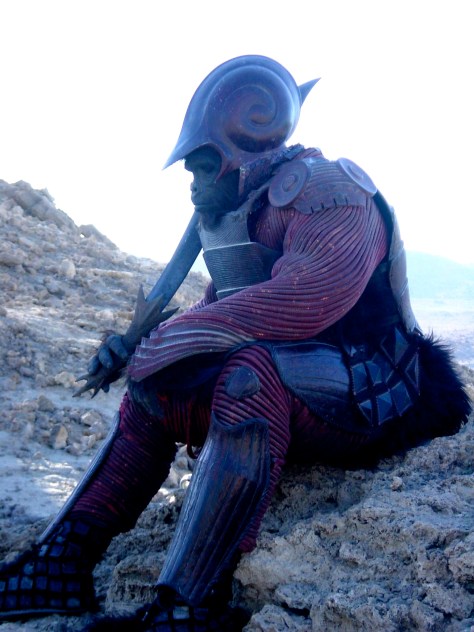
Filmmaker Derek Frey is best known for his work with Tim Burton, running Tim Burton Productions since 2001. He is currently serving as Executive Producer on the upcoming film Big Eyes starring Amy Adams and Christoph Waltz. Derek Co-Produced the 2012 Academy Award nominated Frankenweenie and has worked as Associate Producer on such films as Charlie and the Chocolate Factory, Corpse Bride, Sweeney Todd: The Demon Barber of Fleet Street, Alice in Wonderland, Dark Shadows, and Abraham Lincoln: Vampire Hunter. He began his career in the film industry assisting Tim Burton on films such as Big Fish, Mars Attacks!, Sleepy Hollow, and Planet of the Apes. Derek also creates his own projects under the banner Lazer Film Productions which offers an eclectic line of his film, music video, and photographic works. His most recent films, The Ballad of Sandeep and Sky Blue Collar, have been a success on the festival circuit, collecting multiple awards. For more information on his endeavors please visit http://www.lazerfilm.com.
L1020103

Where are you from? What was it like growing up there?

I grew up in Upper Darby, Pennsylvania, a suburb of Philadelphia. It’s a big, diverse township with a good school district. Being an immediate suburb to Philadelphia I experienced a real sense of American history and patriotism. I would describe my upbringing as pretty typical of suburban life in the 70’s and 80’s.
MONKEY

Did you always have an active imagination as a child?

I think my imagination was categorized as hyperactive. I was always staging shows at home for the family around the holidays. I loved Halloween from a very young age. I also became interested in music and played saxophone. Music became a healthy outlet to direct my creativity and it remains a major influence.

L1020925

Can you remember what your very first favorite film was?

Seeing Star Wars at a drive-in theater when I was four had a profound impact. Close Encounters came out a year later and that was a favorite – and still very much is. Films like Jaws, Superman, E.T., The Empire Strikes Back and Raiders of the Lost Ark that instilled a sense of wonder in me and really set the course in terms of my love of films. It was such an amazing time for movies.

L1092341


When did you first know you wanted to work in film? What was it like when you realized that was your life’s work?

I began experimenting with a video camera in high school and moved on to making shorts and eventually feature length films in college with friends. I never seriously thought I could work in the film industry as a career – Los Angeles seemed a world away from Pennsylvania. Even though it started as just a hobby I knew making films is what I felt most confident at and enjoyed the most. I had an opportunity to visit Los Angeles for the first time my junior year of college and was seduced by all of the entertainment industry overload. Instead of going on a spring break holiday my senior year, I returned to LA and established a few contacts and showed some of my work to producers and studio executives who said “If you come out here, give us a call.” It was an opportunity I couldn’t pass up, so I made swift plans to move to LA upon graduation. There was no turning back from that point.
DSC01808

Who were some of your influences? What do you love most about their work?

Like many filmmakers of my generation, Spielberg was a towering influence from my childhood. Through high school, names like Raimi and Burton became centerpiece. I admired their more personal voice which I found inspiring and also kindred to my sensibilities. I couldn’t get enough of Edward Scissorhands and Batman. I remember watching The Evil Dead on VHS and feeling immediately compelled to pick up a camera and create something. Hitchcock also became a big influence in college. Vertigo is still my favorite film of all time.

DSC01763

What advice would you offer others who wish to work in the field?

I feel very fortunate to have worked with some of the best people in the industry -both professionally and personally. It can be a very rewarding and creative industry but it comes with a price. There’s a lot of personal sacrifice, long hours and hard work. Sometimes it can seem trivial. You have to be really committed and tirelessly enthused. It’s important to keep in mind that in the end, it’s all for make believe, so don’t forget the people that are really important in your life and remember where you came from. You can’t expect to be handed much – you have to do your time and work from the ground up. If you do, you’ll be better off in the long run. The industry is a machine but it’s also a team effort. It’s important to make yourself invaluable in some aspect of a team.
DSC02579

What do you love most about the magic of film?

Films are an escape from day to day reality. There’s nothing quite like the experience of sitting in a theatre and being swept into another world. It can expand your mind. They can also teach us more about ourselves or the world around us. Aside from the magic, it’s about the power of film. It can help enlighten people about topics they wouldn’t necessarily learn about in other forms, and even make a change for the better.

APEEUR1DSC00075 (1)

Of all the projects you have worked on is there one that you hold most dear?

Of all the projects I’ve worked on with Tim, Big Fish was a personal one. It was such a unique experience filming on location in Alabama and I love the film. The upcoming Big Eyes is something close to me as well. We really took a low budget “let’s just do it” approach and the result is something really special. From my personal projects I hold The Ballad of Sandeep, Captain Crabcakes, and my college horror opus, Verge of Darkness, close to my heart. You put so much into each project that they all become a part of you.
TRONA3DSC00119 (1)

What would you say is the strangest thing you’ve have encountered in your work so far?

This is probably the toughest question. I could write volumes on strange things I’ve encountered. To name a few; Island of the Dolls in Mexico, Robot Restaurant in Tokyo, Van Damme in Cannes, Deep Roy (as the Oompa Loompa) in the White House.

02610005


How did you come to work with Tim Burton?

My first job in Los Angeles was as a production assistant on a television sitcom. When the show was cancelled someone at the network knew I had moved to LA to work in the film industry. She had contacts at Tim Burton Productions, heard they were hiring and recommended me. She called asking if I would be interested in interviewing for a position. I remember thinking “Are you kidding?” Although I was extremely nervous, the interview went well and I began working as a runner for the company a few weeks later.

paris2002DSC00882

What is he like as an individual? What would you say is the most important thing you have learned from working with him?

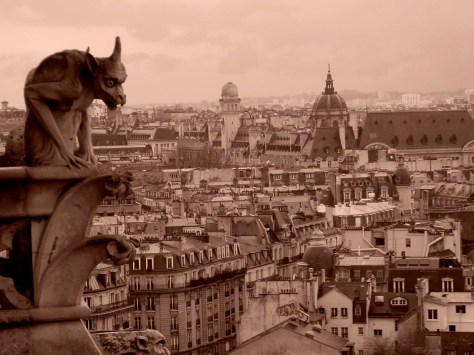
This is a question I encounter quite often. I think people expect to hear some really weird tales but Tim is quite normal – caring, creative, but also very level headed with a great sense of humor. He’s someone I was very nervous to meet for the first time because he was one of my idols and I was afraid that upon meeting him my view might change. But he was such a nice, down to earth guy that if anything my opinion was reinforced. Tim is the genuine deal –  a creative genius and a naturally creative spirit. He is always drawing in a sketchbook – everywhere. From working with him I’ve experienced every aspect of the filmmaking process, which has been invaluable.
paris2002DSC00892


You also work as a photographer, what is the most important thing to remember when trying to capture a great shot?

Well, photography has always been more of a hobby for me. My wife is the professional photographer in the family. I’ve always loved the camera and it has been the driving force when I’m making one of my own films. My tip to getting a great shot is patience and to ALWAYS have a camera nearby, ready to go.
DSC09501

As someone who has worked as a writer, producer, director do you enjoy all three equally or do you love one more than the others?

I love it all but do certainly enjoy directing more than anything. It’s what I feel most confident at and it’s the one role that challenges and engages me fully.

TRONA3DSC00103

Do you feel grateful that you have been able to pursue a career doing what you love?

I am extremely grateful and try my best to always remember how fortunate I am. I get to do something I enjoy every day, and continue to be challenged by it. It’s relentless work but there’s certainly never a dull moment.
DSC07532


Are there any little known things about you that your fans might be surprised to learn?

Even though people that know me consider me pretty extroverted, I personally feel like I’m still very much an introvert. I’ve always felt shy around people I don’t know very well. This industry has helped me break out of that a bit.
L1000094

What are you personal feelings on life after death? How do you hope to be remembered when your own time comes?

The film Poltergeist taught me everything I need to know about the afterlife. All are welcome. There is peace and serenity in the light. And don’t forget your tennis balls. I hope to be remembered as a good son, brother, husband, father and friend to those close to me. If I can leave behind a memorable movie or two, for everyone else, that would be the icing on the cake.

DSC06288


What do you think is the key to a life well lived?

I think it’s important to burn hot and fast – keep looking forward but don’t forget what is behind. It’s all about the journey and the lives we touch. Enjoy the now –life is too short no matter how long we’re here.

DSC02496

What was the best advice anyone ever gave you?

Don’t pass up opportunities just because they’re not the most idyllic (or out of fear) – you never know where one will lead to another. Don’t discount opportunities that may come your way. Things can happen overnight but usually it takes a lot of time to get to that night.

L1040951


How did Lazer Film Productions come into being? What projects are you working on at the moment?

Lazer Film Productions is the name of the “company” that my friends and I made films under in college at West Chester University in Pennsylvania. I still use it as a banner for my own films and music videos. I’m currently editing Green Lake a horror featurette I directed last summer on the Big Island of Hawaii. I’m also finishing work on a comedy short, Motel Providence, written by and starring The Minor Prophets. I’ve had a string of successful collaborations with The Minor Prophets http://www.theminorprophets.com – a comedy troupe from Philadelphia, of which some of the members were childhood friends of mine. I hope to unleash both Green Lake and Motel Providence by the end of this year.

DSC09867

Do you have a dream project that you’d most like to bring into existence?

I’ve been developing a feature film called Quiet Fire about the creative relationship between Miles Davis and jazz pianist Bill Evans surrounding the recording of the album Kind of Blue. I’ve also been working with The Minor Prophets and Deep Roy to get a feature film version of The Ballad of Sandeep http://www.theballadofsandeep.com off the ground. The script is complete and we’re ready to go. Now we just have to find funding. Aside from these my wife and I have been working on a werewolf script which has been great fun! (It’s kind of like the Heathers of werewolf movies.)

Anything you’d like to say in closing?

That was all very cathartic. Thank you, Tina, for the opportunity!

An Interview with Michael O’Keefe

mok

Michael O’Keefe is likely best known for his roles on Caddyshack (Danny Noonan) and Roseanne (Fred). As an actor he was also Oscar nominated for Best Supporting Actor in The Great Santini, and appeared opposite George Clooney in Michael Clayton. A man of many talents he has also appeared on Broadway and in countless television shows such as M*A*S*H, The Waltons, The West Wing, Criminal Minds, and Law & Order to name a few. He was recently signed on to join the cast of Showtime’s Homeland. O’Keefe holds a MFA in Creative Writing from Bennington College. His latest offering, Swimming From Under My Father is available now and he is currently working on a series of sonnets, which offer up his thoughts on life in general for his son.

What were you like as a child? What are your most fond memories from that time?

Frankly, I don’t think I was terribly happy. I fluctuated from being a friend to kids that had been ostracized to torturing less socially adept kids in school. I was very competitive with my brothers and was a bit of a pain in ass to them and the rest of my family until I was about twenty-years old. I woke up one day and thought, Hey, this is your family. Make an effort.

Did your father being a teacher and law professor have an impact on you in regards to the importance of education?

My father loved being a teacher and excelled at it. His love of learning was authentic, and he was a voracious reader. I remember trying to impress him with my reading when I was quite young and he said, “It’s not how fast you read it’s how much you retain.” I always remembered that.

What would you say is the most important thing you learned from both of your parents? What were/are they like as people?

My father’s authenticity was his primary characteristic, shaded by a kind of rough and tumble brutality, and wicked sense of humor. My mother was, and still is, refined, restrained, and quite proper. I would say I took from them equally in that regard.

Do you think having a good sense of family is important in today’s hectic world?

My love for my son and wife continually grows exponentially. It’s the urge I have to model something, a way of living, or being, for my son, that motivates me in both my writing and spiritual practice.

What led you to write Swimming From Under My Father?

Oh, I found my way to the Bennington Creative Writing Seminars through my friend, poet Terence Winch. He’s been a mentor to me in many ways besides writing. I knew if I was going to articulate my feelings about my father I would need help doing it.

How does it feel to be writing sonnets for your son? Do you hope he will he take a little of your wisdom gathered from living and use it in his own life?

Terry told me kids don’t want advice, except on the way to the market in a traffic jam that demands conversation. Perhaps that’s true. But adults crave advice, I think. And I always ran things by my father for his take on things. By the time my son is 21 I’ll be 86, if I live that long, so I wanted to get a few things on paper he might glance at on occasion.

What is the best advice anyone ever gave you and who was it?

“Be yourself.” Given to me by Roshi Bernie Glassman, my first Zen Teacher.

What do you love most about the act of writing?

Articulating things hidden in their everyday disguise and gleaning their miraculous nature.

Were you a writer while you were an actor, or did you put one aside? Do you love one more than the other or do you enjoy both equally? In what ways do you think the two are similar?

They both come from the same place, but they are much different ways of expression. Acting is essentially and interpretive art form. Writing is creating from a tabla rasa.

I love both equally and aside from the fact that I am expressing myself doing each I don’t think they are that similar. With the possible exception that the best of both arises when I forget myself in whatever I am doing.

Do you have any interesting stories from the set from any of your acting roles? Have you ever had a favorite role?

Hmm. No. Making movies is demanding, tedious, and painstaking. And I don’t have a favorite role because I don’t think I’ve performed it yet.

Are you looking forward to working on Homeland?

I couldn’t be more thrilled to be a part of season four of Homeland.

How does acting for television differ from acting for film or stage?

The difference between stage and film, which is more or less the same as TV, is that the camera does for you what your body must do for you onstage.

What was it like to work alongside Robert Duvall and Jack Nicholson? 

Oh, you know. They’re both very different. Duvall loves actors, rides directors a bit, elicits very deep reactions, and was at his peak when we worked together. I played Nicholson’s son in Ironweed and the father of a murdered girl. Nicholson was the homicide detective in The Pledge. He loves working, actors, had a symbiotic relationship with Sean Penn, the director, and was someone I’d idolized when I was young. So, both different, both amazing, and both memorable for their capacity to connect and support their fellow actors.

Are there any little known things about you that the world might be surprised to learn?

I’m lazy.

What do you think is the key to living life to the fullest?

Not knowing what comes next. In Zen we say “Not Knowing is most intimate.”

What would you say is the most important thing you have learned from life so far?

Floss. Dental bills are staggering.

Aside from the sonnets what projects are you working on at the moment?

I have an idea for a novel about a little girl waiting for her father to come home from a war.

Anything you’d like to say before you go?

Hey, if you wanna write, read. If you wanna live, do. If you wanna be free, you already are. Get with the program.


An Interview with Michael Carroll

MichaelCarroll

Michael Carroll has been a Peace Corps volunteer, a waiter, a janitor, a writer’s assistant and a college instructor. His work has appeared in Boulevard, Ontario Review, Southwest Review, The Yale Review, Open City, and Animal Shelter, as well as in such anthologies as The New Penguin Book of Gay Short Stories (edited by David Leavitt and Mark Mitchell). He collaborated with Edmund White on the suspense story Excavation for Joyce Carol Oates’ New Jersey Noir. His interviews with Ann Beattie and Wells Tower were included in the recently revamped Chattahoochee Review, where his first story was published, and where he is New York Editor. His first collection, Little Reef and Other Stories, is published by the University of Wisconsin Press.

What was it like growing up in northern Florida? What were you like as a child?

The first story in Little Reef is kind of an answer to this question. I’d been away from north Florida for years, actually a couple of decades nearly, when I got the idea of writing about my teenage years in Jacksonville, which I’d hated and felt smothered by. I’d written about that time before in earlier stories. But I began to write the newer story, “From the Desk of . . . Hunter B. Gwathmey,” a few days after my father’s lung cancer diagnosis. In the story I wanted to crowd in everything about that time but with more positive notes. I wanted it to ache with happiness; I wanted to read something to make me to ache with happiness, the way reading John Cheever can make you smile while reading about the most harrowing things. In “Gwathmey,” I just happened to leave out the painful drama, let it recede to the back and let the fun stuff, the pure longing and aspiring (the main character wants to be a writer and meet mentor types), seep to the fore. In my older stories my youthful alter ego is suffering and making no secret of it. God, how tired of that whining from myself I’d gotten by the time I was in my forties! And by then, I had been missing northern Florida, how unique the landscape is, how Southern it is, how friendly it can be.

How did you come to reside in New York? What do you love most about living there?

Running as far from Florida as I could, I’d joined the Peace Corps. I needed a living wage and health care. I was in for a couple years when I met my idol, who became my partner, who’s now my husband. Ed was living in Paris. He decided deep into his fifties to get a tenure-track job and began teaching at Princeton. When he was awarded tenure we happened upon an apartment in a neighborhood I had no idea was just about to stop being the chic gay neighborhood, Chelsea. It’s gotten more rich-people chi-chi, less gay, but I like it. I’m near Penn Station, we finally got new grocery stores and decent restaurants. We lost our fun coffee shops, I guess because those aren’t as profitable as nail salons, and the rents are high. I like my middle-age-gay-writer circle, who’ve given me a backdrop and camaraderie. I like meeting new people. It’s finally become the exciting center of hectic activity I always longed for and romanticized, growing up gay in the South and feeling lonely. Kids now don’t all have this conundrum of growing up gay and alone. I look at them coming to New York now quite confident without the same timidity in their eyes.

Did you enjoy your time in the Peace Corps? What did you learn from that whole experience?

I needed to get out and see some of the less-privileged world. The first country, Yemen, killed any last traces of religion I’d ever entertained deep into my twenties, but I enjoyed the so-called exoticness of it. I enjoyed meeting my university students and being treated well by them and their families not because I was an American but because I was a teacher. I got a privilege look into their lives, including the lives of my female students, who worked harder than the boys and wanted English language more ambitiously. And mostly their fathers wanted that, too. It was a different slice of the Muslim world than we’re coming to stereotype it as (this was all a few years before 9/11, but right before the first Trade Center attacks). The Czech Republic had its romance, there in the center of Europe. A sort of ideological burnt-over district, the Czech Republic just wanted to be a part of the contemporary acquisitive world like the rest of us. I had to deal with some student lassitude. I’d say to a student, “I haven’t seen you in a couple weeks, are you all right?” “Well,” they’d say, “I had a terrible cold.” In both countries I was aware that I was getting a unique view of humanity, for comparison and contrast purposes. Stuff I still haven’t written about, overall!

Do you ever miss teaching? What does it feel like to help others learn?

I do miss it. I hope to go back into it very soon. It was nauseating going into the class every day because I’m shy about audiences and groups I’m addressing, which is why I became a writer. But I have things to say about creative writing, and I have strategies and ideas to share. I can put the whole enterprise on a regular, everyday level that not only simplifies it but makes it seem like a worthy thing to spend time on. Creative writing, done right, is entertaining to the writer and helps us as reader and writer form ideas about human nature and the world. It comprises a special subaltern section in the department of psychology. Done right, it feels truer than everyday reality, because it forces you to look at everything differently, to slow down and take in everything in different quantities and doses. It makes the world new because it reshuffles what we already know and drops us off at unexpected places. Teaching writing is about teaching reading.

What led you to try your hand at writing?

I was held out from the first grade because I was too young to enter. My mother signed me up for book clubs and took me to the library. There was never a question about books for me. I fell into Dr. Seuss and so on while my mother watched her soaps and I got addicted to reading, which made me more advanced when I got into school but also isolated me, ironically. My teachers would send me to the library when I got done with a lesson or assignment, thus putting me on the road to more social estrangement! Writing only compounded the problem. To write you have to be alone, but I wanted to be alone, being a misfit. A big cycle, one phase feeding into the other. I never quite caught up socially, so I just kept writing, almost as a defense mechanism.

What did it feel like to see your first story published?

I was twenty-seven and had returned to Florida after grad school and suddenly there was this validation of my work on paper, in a journal. I sat down in a fast-food restaurant and wrote my parents a letter saying I was sticking with writing, because I’d been validated and the resulting text looked handsome.

What do you think it takes to make a truly good story?

Tension. The push and pull. Surprises with language and the banishment of the banal or the received language, the old tired ways of saying something. The most underrated talent or skill, if you will, is charm. Charm the reader with a fun, intriguing opening, decide what your greatest abilities are, and use those, whatever you can to pull the reader through and inspire him or her to wonder what is going to happen. Be surprising but don’t be like a chatty obnoxious guest who just won’t leave. Make them want you to keep talking to them, then get your ass out of there.

What do you love most about the act of writing?

I love not having to sweat over it, having learned that it’s an act of fun more than something as tricky as international diplomacy or the law. I like just cruising along then going back and back after finishing a piece and cleaning and straightening, like picking up the dust and scraps after carpentry and painting and making things flush and clean and fresh.

Are there any little known things about you that your readers might be surprised to learn?

That I miss the South, as much as I critique it. Even the bad guys can seem quaint, as long as I don’t turn on the news.

Do you have a dream project you’d most like to accomplish?

I’m doing it now. I’m transforming the world of my youth into a fictional place full of people I knew back then who serve often as exceptions to the rules of the social regime, the upright and correct and often hypocritical. I want to humanize that part of the world for my snobby and self-satisfied and cosmopolitan New York friends who know they have to hide their sneers from me. Some of the best writing was accomplished “back home” instead of in the capital. Thomas Hardy left London and William Faulkner spent very little time in New York.

What do you think is the key to a life well lived?

Seriously? Happiness, which comes from striving to make others happy, or feel secure or less alone. I have no spirituality left, but the best of all religions teaches service to others, which is the only source of true happiness. It relieves anxiety and guilt and proves you’re not alone.

Are you excited for the release of Little Reef and Other Stories?

Nervous, because now I’ll have to go out and read aloud from it. Wells Tower told me in an interview I conducted with him that he’d only read one review of his first book, and I’m going to try to follow this example. Unfortunately, I started to write as a loneliness strategy and defense mechanism against the sense of alienation from my peers, and now I’m stuck with the blowback, which is the desire to be loved by them.

What are you hoping your readers take away from this particular body of work?

My best intentions, my contentedness, my desire to meet them on some level and talk. Also, my lack of religion and my assertion that you can be a good person without believing in God.

What other projects are you working on at the moment?

I need to revise a novel I wrote and revised once. When I work I go through each draft without looking back. Then start over at the beginning and do it all again until I feel I’m done and all the elements are proportionate and fit. The novel is about intergenerational love relationships, the usual stuff like in the second half of Little Reef. A bartender friend told me yesterday over a butt break that he’d spied the theme of the generation gap in my work, and I guess it’s all through there like he said. And I guess I’m trying to spackle that gap in.

Anything you’d like to say before you go?

Only thank you––to you, Tina, and to your readers. And have a great summer! I certainly appreciate your taking the time to do this with me . . .

“Clouds” by Skip Fox

gallery_124634_11_293292


Clouds


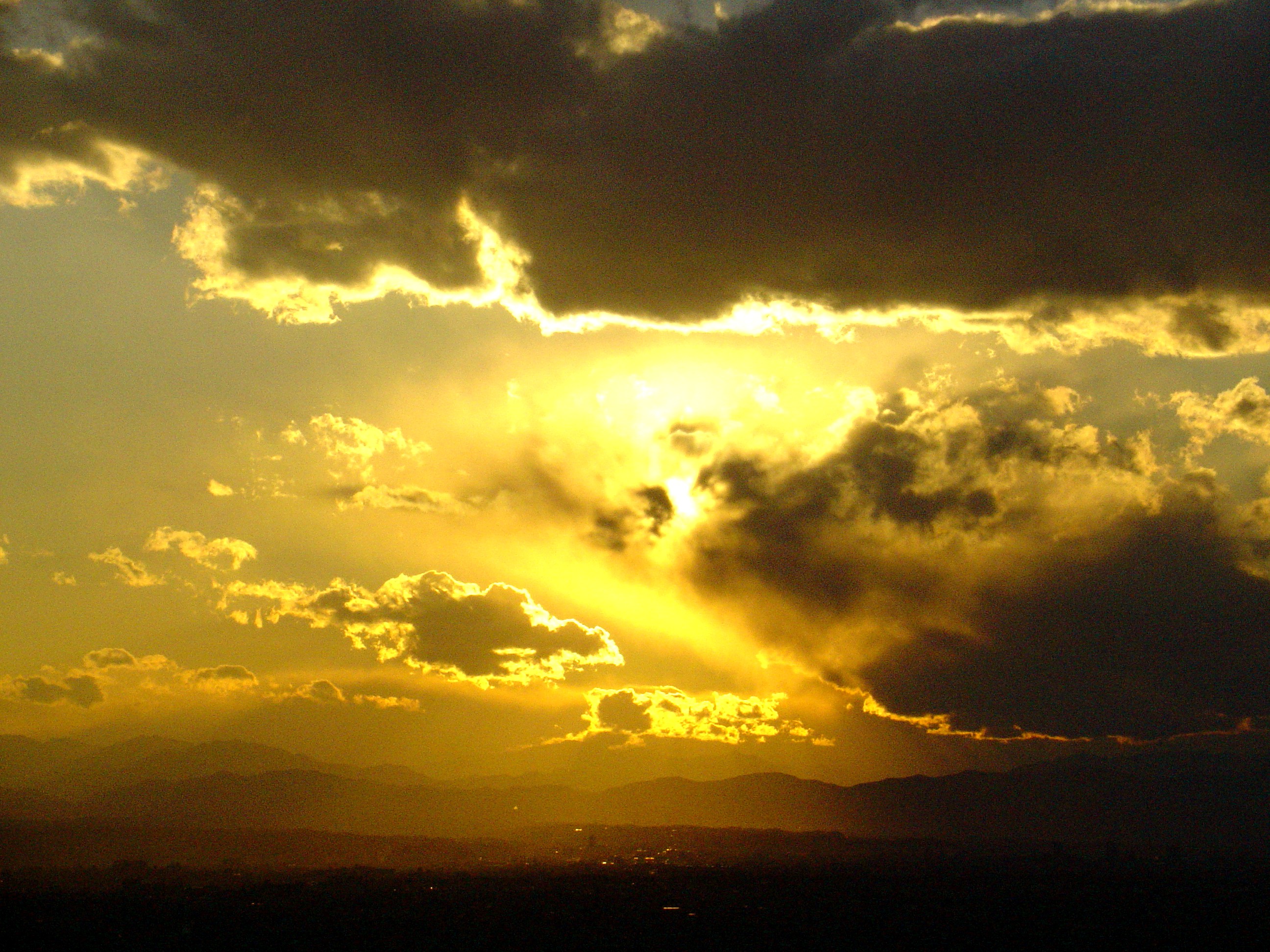
East is all wall, predawn cloudbank elevating treeline’s

blackness ten degrees. Was that a real world or did

you just make it up yourself? Reading by lantern light

on the Olympic Peninsula over forty years ago by way of poem’s

opening. What would it mean to die joined at the head

with the ephemerata of such light, clouds and fog this side

of dawn’s bright opening onto a green that encompasses whatever I

find through its agency. Who am I this time? Cars on canted curve,

sun blasting through pickup cab, schoolbus windows, tiny heads

locked in sharpness shuttering past (as though I wouldn’t know her

anywhere, staccato silhouette, her passing presence, prone to such…

as though she lies in me, wakes as memory rises above the horizon

in the east. Who are the dead to talk? What might they say? Clouds

rubbed into treeline by fog, gray, then white, thinly drawn.


In 2012 University of New Orleans Press published the selected poems (Sheer Indefinite: Selected Poems 1991-2011, 200 pgs) in their Contemporary Poetry Series. Skip Fox has written four other books (126-272 pgs.) by presseslike Ahadada and Potes & Poets, as well as four chapbooks (two letterpress).

He has been published in such little magazines and e-magazines as o.blek: A Journal of Language Arts, Talisman, House Organ, Texture, New Orleans Review, Exquisite Corpse, Hambone, lower limit speech, Pavement Saw, Prosodia, Blackbox, eratio, Tarpaulin Sky, 88: A Journal of Contemporary American Poetry, Culture Vulture, There, EOACH, Little Red Leaves, etc.

Skip teaches modern and contemporary American poetry and creative writing at The University of Louisiana at Lafayette at both the undergraduate and graduate levels. He has also published a lengthy annotated secondary bibliography on Robert Creeley, Edward Dorn, and Robert Duncan with G.K. Hall.

“The Art of Insanity” by Krikor N. Der Hohannesian

The Art of Insanity

or vice versa, the question

awaits the first rays,

the shedding of light

on a slippery profundity

not obvious from night’s

whirligig of dreams,

a pastiche of insanity

trying to make sense

of the nonsensical.


Van Gogh had his brushes

and oils and still lopped

off an earlobe. Where

are my words? A voice whispers,

“look in the well”. But

the well is deep, dark,

sapped of water.


Ha! So this is how

they do it, the torturers!

Steal the familiar,

deprive the senses and

he’ll say anything, sell

his mother’s soul, talk

gibberish, maybe throw in

a state secret or two.


Now come two squirrels

caching acorns under hoary grass.

“My dear squirrels”, I ask,

is winter coming soon?”

A furtive glance, they

burrow the harder.


It is dead calm, I raise an eye

to the sun – low, piercing

a red sky. A puff of wind hushes

“red sky in the morning…”

What better than an artless chestnut

to revive one’s sanity?


!cid_E2ED27D1-7C62-45E2-B3B4-52162F1CBF12@home

Krikor N. Der Hohannesian’s poems have appeared in many literary journals including The Evansville Review, The South Carolina Review, Atlanta Review, Louisiana Literature, Connecticut Review, and Hawai’i Pacific Review. His first chapbook, Ghosts and Whispers (Finishing Line Press, 2010), was nominated for The Pen New England Award and Mass Book Award, which also selected it as a “must read” in their 2011 poetry category. A second chapbook, Refuge in the Shadows, was just released in June, 2013 (Cervena Barva Press). You might be interested to know that he was surrounded by art as a child, his father being a fairly well known painter of the abstract impressionist school and his mother a musician and artist as well.

“A Shorter Bridge to Heartache” by SB Stokes

lake

A Shorter Bridge to Heartache

at the bottom of a stagnant lake
lived a dead forest
black trunks standing
knuckle deep in muck
branches simply armature
for a fluttering array
of gray scarves
blowing in the watery wind
molds and aquatic plant life
growing quieter in near darkness
the forest laid down years ago
gave up the sun and the breezes
the same arguments from the same birds
slid back toward the sandy edge
then gradually leaned over
one after another they followed
under the forgiving cover
of progressively longer nights
a very slow migration
the stars really weren’t watching
eventual full immersion
nothing left uncovered
but the land around the lake
the gray water always present
became all any tree could remember
oxygenating the murk for a while
the contradictions grew
in place of leaves
instead of hopeful young twigs
stanchions indicating nothing
huddled together under the surface
standing sunken in an air more dense
a different kind of time passing
light arriving but
only in soft whispers

A fourth generation Californian, SB Stokes has lived and worked in the San Francisco Bay Area all of his life. He holds a Master of Fine Arts in Creative Writing from San Francisco State University and is a former poetry and art editor for Fourteen Hills: The SFSU Review. He is a founder, event producer, and art director for Oakland’s Beast Crawl and guest curated Quiet Lightning’s third anniversary show with poet and QL board member Meghan Thornton. His poems have been published in numerous publications both in print and online. Several of his readings can also be found by searching “SB Stokes” on YouTube. He has produced the blog MASS COMMUNICATIONS since 2004 and his first book of poetry is A History of Broken Love Things from Punk Hostage Press.

“Pete Suicide” by Ian Ayres

10253935_437989132970640_2169381304912944507_n


My revolver

So easy to get

Cocked in fist

On the way to the grave

Wide open for morning

Loaded and ready

Bullets to blast

My brains to the clay

Of Mother Nature’s womb

Skull full of stars

People that cross

Lost in a garden

Of slab and dirt

Hands from graves

Reach out to shake

Me up so late

Embalmed hands

Amidst the wilt

How I love the Dead

Putting down roots

Echoing whispers

By the time you get it together

You start to fall apart . . .

Skeletal, you know

A jaw drops

Moss will grow

With unknown approach

Living to die, dying to live

Tombstones scream

Or winds grow shrill

Among final faces

Of resting places

My constant family

Who embraces chill

Beneath my feet

Tripping

Naked

Among the Dead

Gone to bed

Sculptured tomb

Where I stretch

Smoking a joint

Like a Bowie tune

Near a baby’s

Grave

A seedling

Alone

How I yearn

To hold you

Above

Your crumbling

New name

Eroded

Not even a weed

So I sing

A lullaby

And reach out

To cradle you

In my arms

With your rattle

Of bones

Watching

Birds Fall

Birds fall

From the trees

Dying

From disease

Wondering

Why

Death is

The rest of

Your life

Some call me a necrophiliac

Who bones the boneyard

Others, a ghoul

Who haunts the Dead

Whatever tickles their tulips

Licking dew drops of lust . . .

Did you know divorce kills?

Divorce kills children

For the rest of their lives

Under-aged children

Kicking the emptiness

Of a beer can

Can no longer feel

Superior over anything

Nothing but luck

Before granite claims

Years of avoidance

In unfulfilled hearts

Finding a family

Like me

In the dead of night

To dance

Headlit

In moonlight

Celebrating

Every vertebra

Of our spines

Bone

Is white dust

And soul lost

In dispersing

Atoms

Ready to be

Held

In a box

Planted

To remain

Where

I can always

Be found

Underground

Knowing dark

Caresses

My mind

Listening