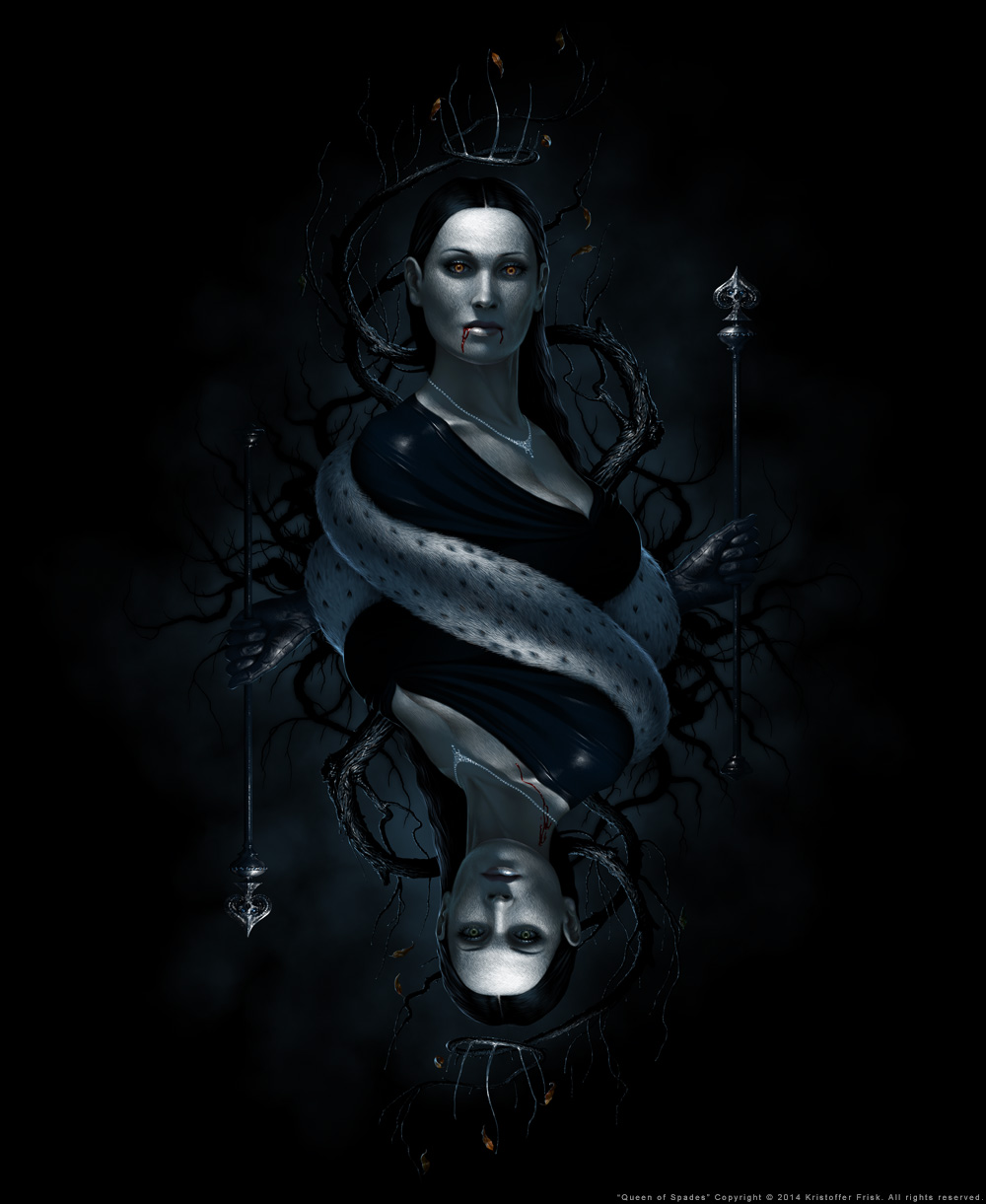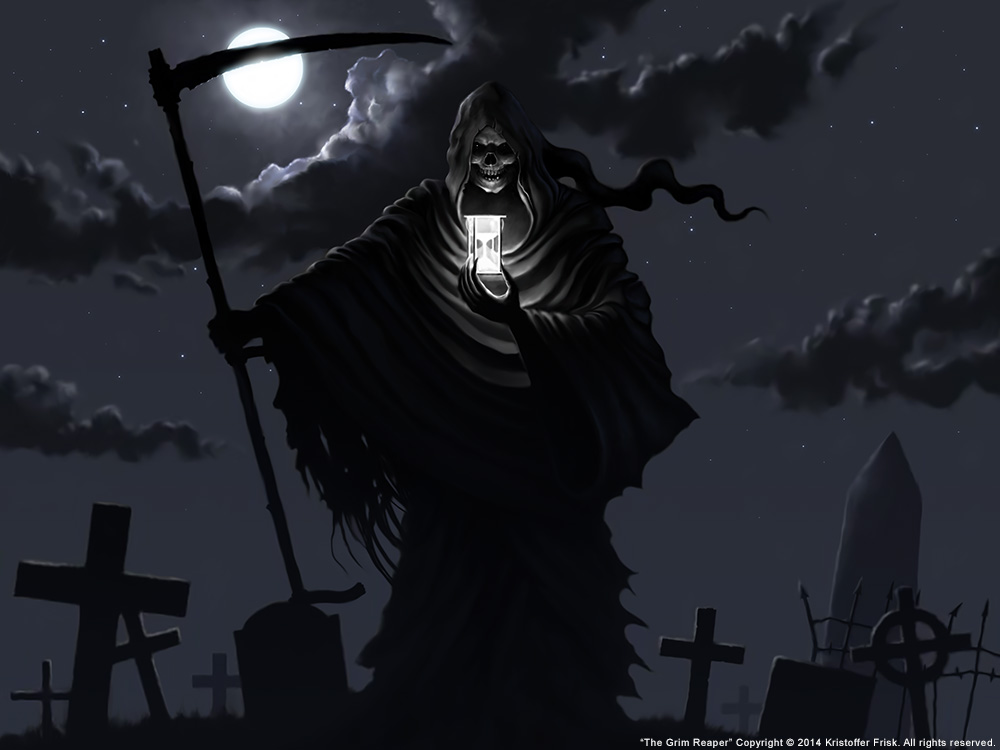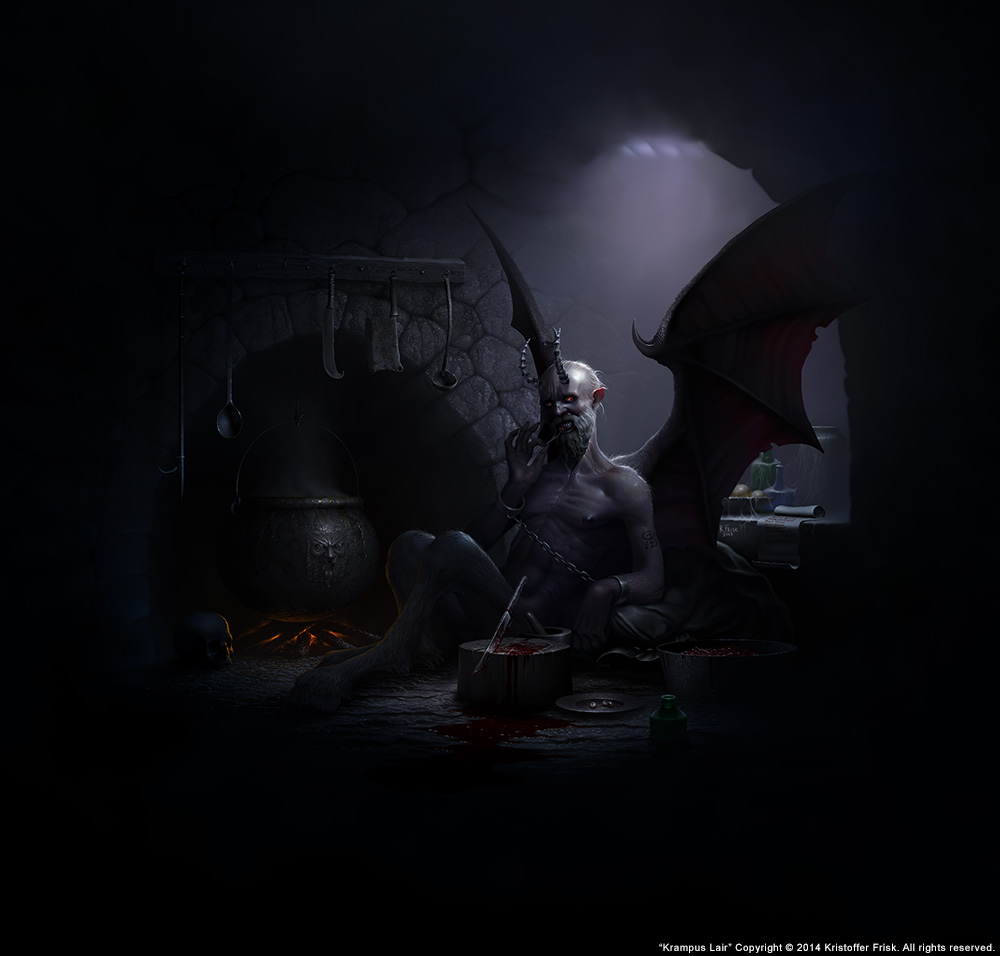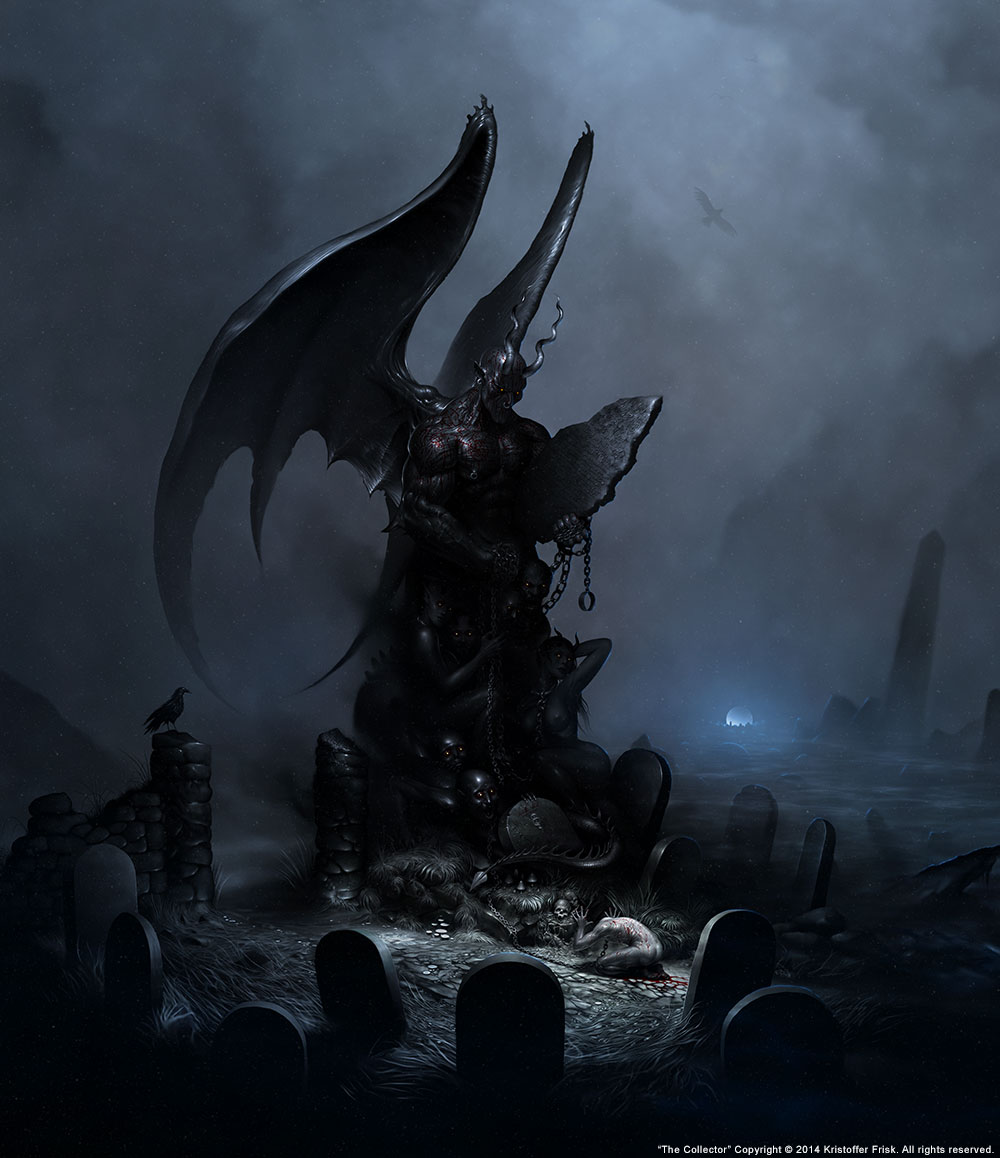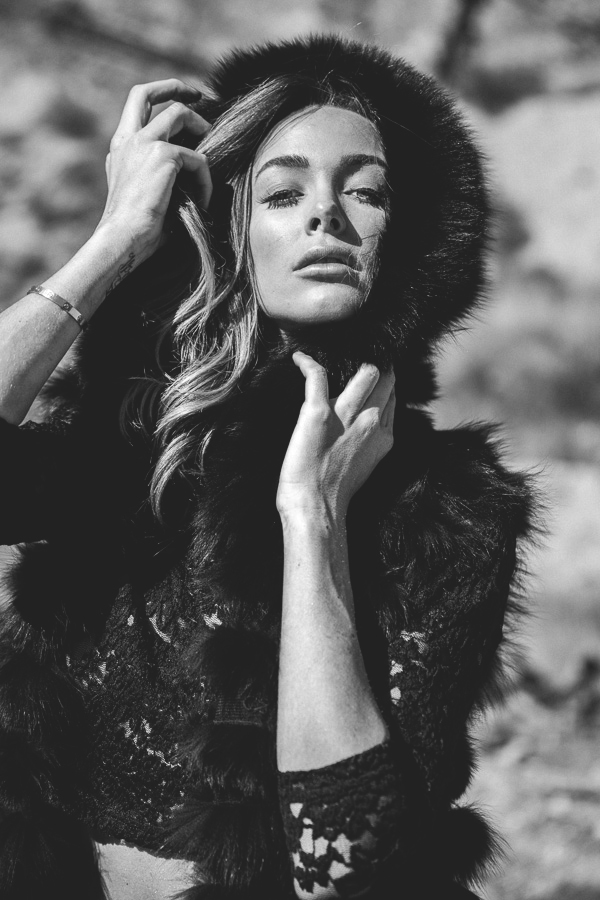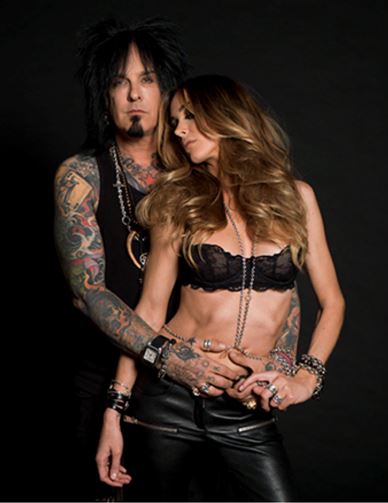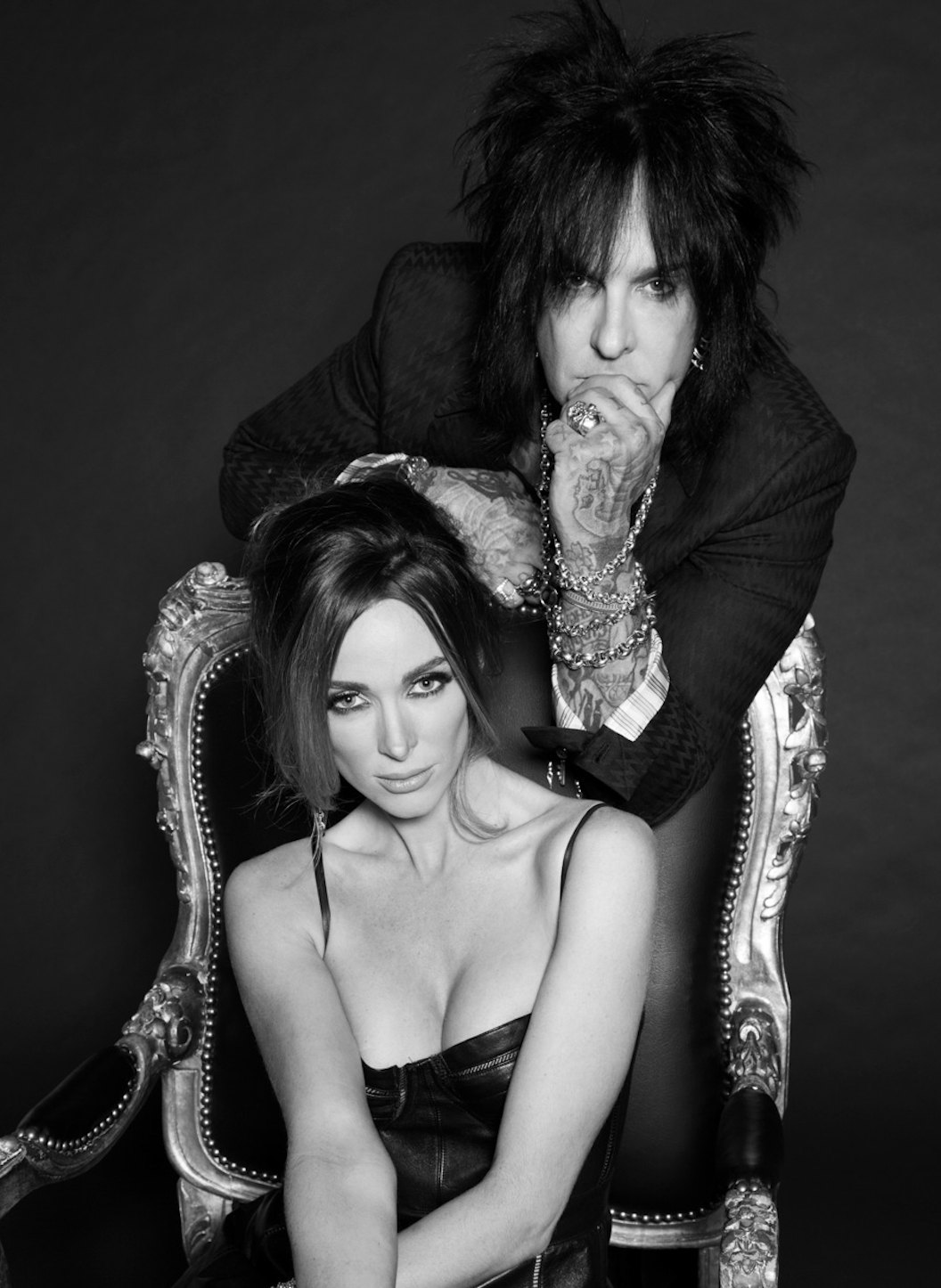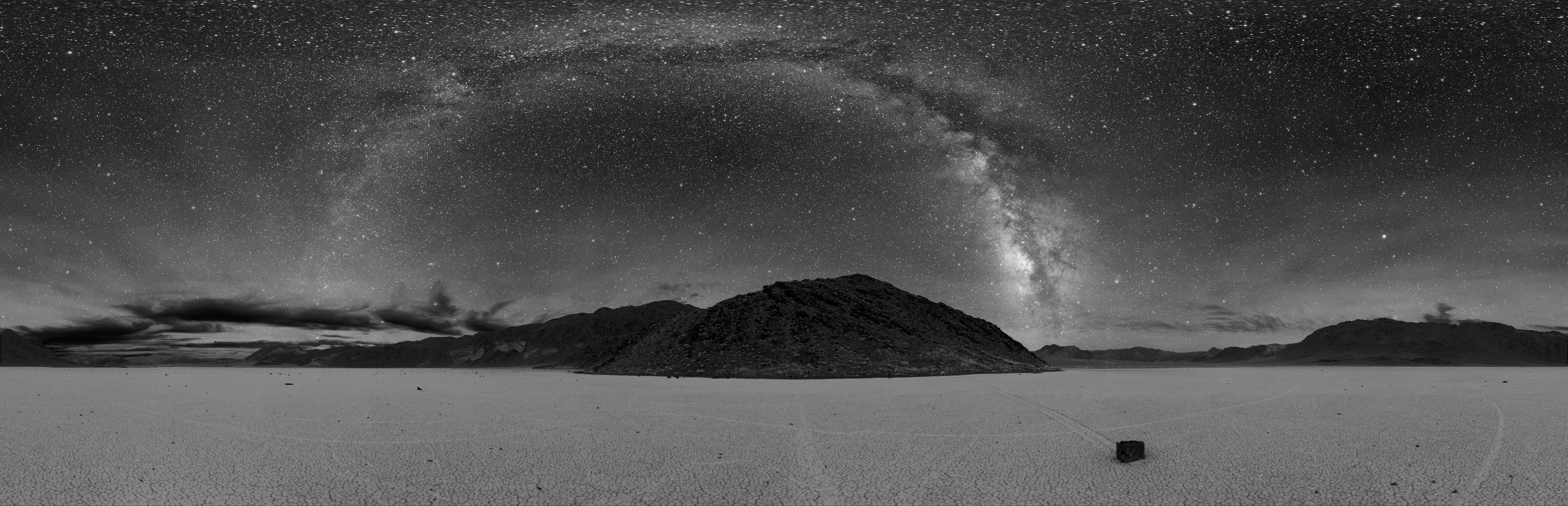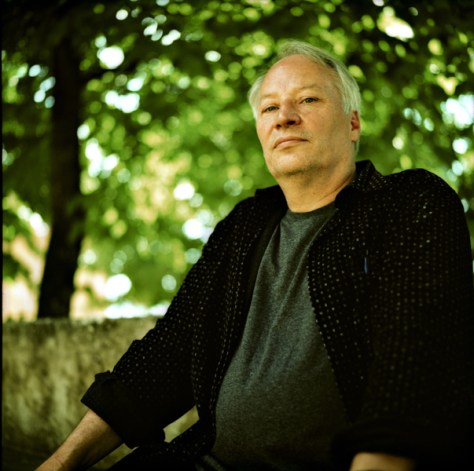
To see full sizes of all of our images just click the photo. For more information on Kristoffer Frisk and more examples of his work please see http://www.razorfront.se/.
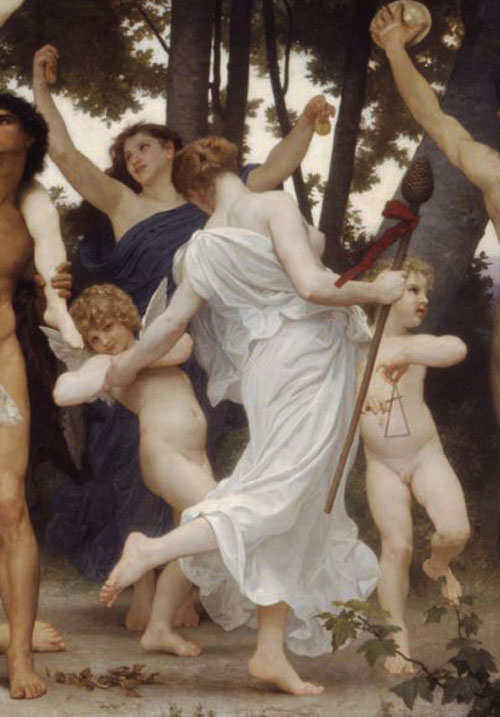
Angels Dancing
In her eyes he saw angels dancing,
She was dreamlike in her motions
Her manner appeared carefree,
Yet he knew she was guarded
She had a heart, of that he was sure
But it lay crushed and broken
Among shards of glass and rubble
He could see pain in her eyes
And he longed to hold her,
To whisper reassuring words
He wanted her to smile and laugh
And for him to be the reason why
In her voice he heard music,
Melodies of hope and songs of love
Waiting to emerge from her lips
He wanted to share the music with her
To be the cause of her singing
He gazed into her eyes and
Saw angels dancing there
Julie A. Dickson has written poetry, prose, and stories for many years. Currently a member of the Poetry Society of New Hampshire and the Hyla Brook Poets of the Robert Frost Farm, her poems have appeared in Page & Spine, Avocet Nature Journal, GFWC Magazine, The Poet’s Touchstone and the Harvard Press. She has one volume of poetry titled Forest Nectars. Julie makes her home in New Hampshire. She has two grown children and an rescued black cat called Isis. She has long been a volunteer for animals shelters.
Gone to Mexico
He vanished over the border. It’s been a hundred years and still no trace. I’m waiting outside the Starbucks in Buzzards Bay. I could be waiting for him to stroll up, a copy of The Devil’s Dictionary under his arm. A woman at one of the tables is talking on her cell about cutting everyone’s hours. She’s twenty-something and almost pretty. I watch the hellish heat rise in waves from the blacktop. “It is what it is,” the woman says. She glances at me and then away – not ashamed, just uninterested. Every day is a heart hooked up to a monitor, another cat shot with an arrow.
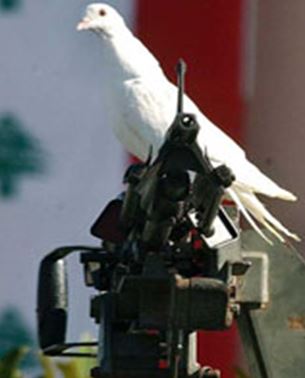
Doves of Beirut
Doves were arrogant in those days
feral, territorial of ledges
I hadn’t snapped their necks yet
through grind of metal
on bone, stone
through air sharpened on greed hones
no scream left in punctured lungs
fate duct taped to fetal nights
barricaded behind shadowed ribs
that hardly rose for a fight
underneath rubble of lord’s prayer and adhan
they pecked at concrete
heads bobbing, waiting
waiting
they knew I’d come
they knew I’d tire of walking
your curved dead -end streets
I knew those ledges well
gravel and loose feathers
wet with rain
stuck with white droppings
to my young toes curled on grit
but I knew your streets below better
lick of diesel on asphalt
grief’s iron reek in gutters rising
damp alleys breathing
breathing
the way the old do
those who’d seen the blade
cut through flesh
a sigh every third inhale
a pause before funneling
jasmine and mold laced gasps
into patched veins
tied to the stone
tied to throbbing ground
with historical claims
to the sea breeze
that couldn’t cool their burns
still rummaging for life
as they used to remember it
I walked on sweat of fig trees
on your sidewalks bleeding at cracks
when you had the pigeon for dinner
and I starving, gnawed on bones
where I’d tied my message
pleading for your unclutched claws
on my debt
I hear you like your whores younger these days
and you rather have your sons as killers
blind and foaming revenge at mouth
darbouka between their knees dropped for guns
streets mapped in bite marks
on time I served now dyed ash blond
I look away
the way the old do
eyes on the distance to your bleeding ledge
March 25, 2014
Silva Zanoyan Merjanian is an internationally published poet residing in California. She released her first volume of poetry Uncoil a Night in 2013 with all proceeds helping civilian victims caught in war zones, she herself having been cast as collateral damage in a civil war in Lebanon for 8 years. She’s been featured in a variety of publications and anthologies, and was shortlisted for the Fermoy International Poetry Competition 2012. Silva was invited to Ireland in August 2013 to introduce her book.
It has been a busy year for Joe Lansdale. His book The Bottoms is set to make it to the big screen via actor/director Bill Paxton and Frailty screenwriter Brent Hanley. Also coming to the screen is Cold In July as adapted by Jim Mickle, featuring Sam Shepard, Don Johnson, and Michael C. Hall. In May DC Animated Original Movies is releasing The Son of Batman as well, the script of which was penned by Joe. Coming in September 2014, Subterranean Press will also be releasing the deluxe hardcover edition of Black Hat Jack, which focuses on the role of African-Americans in the Wild West.
What does it feel like seeing so many of your projects making it to the big screen? Is it sometimes a little strange to see how other creative types adapt your work to fit film?
It’s satisfying in one way and nerve wracking in another. You know your work can never be adapted as closely as you like, but you fear them moving away from it too much. I am very happy with Cold in July, and look forward to The Bottoms. I like the script by Brent Hanley and trust Bill Paxton as a director. I like both of them, so I’m very hopeful.
Are you excited that Bill Paxton and Brent Hanley who worked on Frailty are going to be adapting The Bottoms? Did you like that particular movie(Frailty)?
I loved Frailty. I am excited they’re working on it, and as I said before, I think it’s going to be really good. I truly believe that.
Cold in July is also getting a lot of early praise. Were you surprised by that?
No. I was kept in the loop and read several versions of the script. There were aspects of earlier scripts I preferred, but this is what they thought they could make work on the screen, and it did. I also liked some things they had to cut, but at some point you have to make decision based on length of the film. That’s just how it works. But, yeah. I liked it a lot.
Is there one project in the works at the moment that you are most looking forward to seeing finished and out to the public?
There are several, but I can’t really talk about them at this point. We’ll see how it works out, but I will say there are a couple that are very exciting.
How do you like working for DC? I know you’ve been a fan of comics for most of your life and have worked on various projects in the past. Did you ever think you’d be doing that when you were a child lost in the comics yourself?
I always hoped to work in comics, especially for DC, and it came about through stories I had written. I was asked to write a couple Batman novellas for anthologies, and then I was asked to write a Batman novel. I did all these things, and that led to DC calling and asking if I wanted to write for the TV series. A friend of mine, Bob Wayne, worked in marketing, and he had a lot to do with introducing my work to them. This is the same way it happened in comics. They liked my stuff, they asked me to write for them. Warner does the DC stuff, but they are a different division, in that when I wrote the animated stuff I was actually working directly for them. Recently I wrote Son of Batman for them. Alan Burnett was the story editor, and he also helped on a number of things that made it a better script. He’s fantastic to work with. On the TV series I worked with Michael Reeves, and he was really good. I enjoyed the experience on both.
You have often said Batman would have to be your favorite superhero. Why do you think he in particular appeals to you most?
He wasn’t bitten by a radioactive spider. He didn’t come from a world where he is given powers by a yellow sun. He wasn’t given a ring by a dying alien, and he didn’t have an odd chemical mixture splash on him and give him super speed. He made himself what he is; he’s a self-made man. That always appealed to me, and in my own way I tried to follow that example. I can’t be Batman, but I did become a martial artist and read extensively on a variety of subjects.
Do you ever feel like a kid again when you are working on bringing the characters you loved back then to life in a new light?
I do. And that is one of its great benefits. For relaxation I read a lot of comics, but these days mostly archives, though some new stuff as well. Mostly DC, but not exclusively.
What was the most challenging thing about adapting the storyline that was wrote by Grant Morrison and illustrated by Andy Kubert(Son of Batman)?
It has the same problems all adaptations to screen have. It’s a game of beat the clock. You have so many minutes and you often have material that lends itself to so much more. And sometimes you think, well, it’s animation you can do anything. But you can’t. There are still routes you can take that can be too expensive to put on the screen, even with animation. That’s what a good editor does for you, says stuff like: Uh, we can’t have an army of millions. It cost to draw all those things. And thirty-five tentacles is a tentacle too far. Etc.
Do you think it would be fair to say that this particular type of work helps keep you young at heart?
I think it does, yes.
How has your life in general changed last since we last spoke?
It’s the same. I’m writing. I’m hanging with my family all I can. I’m having fun. Maybe recognition level has grown, but I’m still the same ole me.
What do you think is key to a life well lived?
Liking yourself, but seeing your faults as well. Having peace with yourself and who you are. You have to please yourself before you can please others, but that’s not meant as a selfish comment. Just reality. If you don’t like yourself, you can’t like anyone else. And no one can fix you but you.
The world recently lost another great soul and writer with the passing of Neal Barrett. Do you find you miss him terribly? What do you miss about him most if you don’t mind my asking?
I love Neal dearly. He was family. Last few years I’ve been so busy and traveling we didn’t spend as much time together as in the past, but we kept in touch, and we were sure to tell each other what we meant to one another. I miss his humor, his laugh, and his talent. He will be missed by me until I’m gone.
Do you think the new generation of writers coming up will be able to keep the closeness of the horror genre writers in tack?
I don’t know that all the writers in the genre are that close. I think there are different groups that came up at the same time, attending the same conventions, went through the same trials with the same editors and magazines and book companies that are close. That’s how that happens.Frankly, I never really give that kind of thing much thought. It is what it is.
In Black Hat Jack you get to delve back into the West which I know you love. Did it feel good to be doing that again? What is it about that period in time that you enjoy so much?
I grew up on Western stories from my dad. He was a great storyteller, and I loved Western films, and later came to love Western novels, and historical fiction about the West. In Black Hat Jack I’ve mixed historical with mythology of the West to make it bigger than life, but about a real event. I like the fact that the West is our own mythology, and I was greatly impressed growing up by mythology, especially that of the Greeks. A lot of people who wrote about the West grew up on mythology, and when they wrote about the West it seeped into their stories. I grew up on myth and legend and history of the West, and it was my intent to blend them. Also, Black Hat Jack, and the forthcoming novel, Paradise Sky, are about the role of blacks in the West, a mostly overlooked subject. I’ve been wanting to write Paradise Sky, which I called The True Life Adventures of Deadwood Dick, for ages. I finally got it done, after over thirty years of thinking about wanting to do it. Not thinking about the plot, just the main character and the basic idea. I had so much fun with that one.
Why do you think the role of African-Americans as well as other races during that time has been so rudely ignored?
Racism. It restricted the knowledge of their achievements, though it was there in history to see if you looked, and when it was there to see, it was ignored. That’s the long and the short of it.
What can your readers expect from Black Hat Jack?
Humor, excitement, myth, and history.
I know when you need a break from all the work you love to go to Italy. Why is that? What do you love most about it?
Well, it’s not always a break. My trips to Italy are often tied to book promotion, but I do love Italy. We have many friends there and my books do very well there.
Do you think it is important to remember to always take time to balance work and relaxation?
I do. I work on the average about three hours a day, and seldom more, though there are exceptions. I also like to do it in the mornings so I can move on with the rest of my day. If I write, the whole day goes well, then I have time for other things. This way I work and relax in the same day. Are there times when work is stressful, you bet, but I like the work I do, and when I take time off, I enjoy that time, be it a work day, or those rare times when I just take off for a few days or even longer now and then. Life is to be lived and loved, not stuffed with unnecessary exasperation. No one goes through life without stressful times, but learning to deal with that stress is important. It makes the work more fun.
Aside from travelling what do you when you get to feeling a little burnt out?
I practice martial arts, and when I’m feeling sort of burned down, I do more of it. I also read constantly. I find that relaxing. Comics are relaxing. I love movies, and I have a few TV shows I watch. I like to rent a season of a good TV show, and then take a day or two to watch it. That is often very helpful.
Other than the projects mentioned, what are you working on at the moment?
My son Keith and I are writing a screenplay, and my daughter Kasey and I are writing a novella, and I’m working on a couple of projects I can’t discuss right now.
Anything you’d like to say before you go?
Bye. Like yourself.
Courtney Bingham began her career in modeling at the age of 17. She later went on to work under Christine Peters(How To Lose A Guy in 10 Days, The Out of Towner’s)at Paramount Pictures/CFP Productions. She went on to produce the movie Inappropriate Comedy starring Adrien Brody, Rob Schneider, Lindsay Lohan, and Michelle Rodriguez. She currently has two radio shows on XM and IHeartRadio Platform, The How 2 Girl, which offers thrifty how to tips for today’s busy woman, and the half hour weekly pop culture show Behind the Gates. It was a delight to sit down with her and talk just before her pending marriage to Motley Crue’s Nikki Sixx.
What were you like as a little girl? What are some of your most fond childhood memories? What did you want to be back then?
As a little girl I was always creative. I loved doing arts and crafts and my favorite day of the week was Saturdays because that is when I would get to go to the craft store and pick out fun projects to do at home. I loved school but mainly the social aspect, not so much the studies. Some of my favorite memories growing up were spent building sand castles at the beach where I was born and raised, riding Space Mountain at Disneyland with my mom and learning to ski at three years old in Utah where my moms family lives. I always saw myself being an “moviestar” when I was little, but oddly enough I never had the actual acting bug, I think I just liked the glamour in it all, not the work.
What led to you becoming a model at 17?
Growing up I was obsessed with Cindy Crawford. I thought, and still do think she is the most beautiful woman in the world, plus she’s an extremely intelligent and business savvy woman. I used to watch her work out videos when I was little and just loved everything about her. I was always tall and thin, I would sometimes get teased, especially in middle school and my mom would always say move over Cindy Crawford. I was not only fascinated with Cindy, who I later in life got to know and love, but the fashion world really mesmerized me. As soon as I hit 5’10 I was on a mission to find an agency and start my career, soon after I signed with Wilhelmina Models.
What was it like when you first left America to live abroad in Europe? What was running through your mind when you first arrived there?
When I moved to Milan, Italy to pursue modeling at 17 I was beyond excited and ready to start a new chapter of my life. I think a lot of girls would be intimidated or nervous at that age to move to a new place let alone a country that mainly speaks Italian but I could not wait for the adventure and for the experience that awaited me. I have always been the type to dive in head first to new things without fear or hesitation. When I arrived and met my agents at Why Not Models I instantly fell in love. The Italians are the sweetest, kindest people and I felt so much support right from the start. Everyday walking around to go-see’s I was blown away by the beauty in the architecture, the people, the fashions, the language, and the food. This was when I believe my passion and love for traveling and food began.
How did you come to work for Christine Peters? What did you learn from your time at Paramount?
Christine Peters and I were introduced through mutual friends when I was 18. Christine was hot off of producing the hit romantic comedy, How to Lose a Guy in 10 Days and we immediately clicked and became great friends. In 2007, at 21, I had just returned to LA from living in Madrid, Spain modeling and she welcomed me into her production family with open arms. I was always very interested in film production and what better way to learn than from a seasoned veteran! The two years I worked with Christine were unforgettable and life changing. I really learned so much from her and she mentored me more than she will ever know.
Did you develop a love of cinema at an early age? Do you happen to remember what move first made a lasting impression?
I always loved going to movies like any child or teenager, but what really caught my eye and my attention was all of the details that went into a film. I was always very interested in all of the components that make a film great, the editing, the sound, the music, the lighting, the casting, you name it. I was able to dissect all of the sometimes overlooked details that take a film from good to amazing. That is why I believe I became a great producer whether in film or producing segments and radio for my DIY brand The How 2 Girl, I understand what all goes into making a project great.
What was it like to work as a producer on Inappropriate Comedy? What was the most challenging aspect of bringing this film into being?
Working as a producer on Inappropriate Comedy was one of the best learning experiences of my life. I had to get out of my comfort zone because the material and type of slap stick comedy that the movie consisted of wasn’t exactly my cup of tea. I was also lucky to work with a vast array of people all with very different personalities and was able to bring everyone together for the common goal of getting this movie made. My favorite part of the process was spearheading the casting, working with wardrobe to find the right outfits that suited the actors and the scenes, and working with the amazingly talented Adrien Brody. To say the production was filled with a lot of fun times and a lot of laughs would be a huge understatement.
Do you think producing film is something you will do more of in the future?
I love film producing and most certainly will be doing it in the future. I just finished writing my fist script, the working title is A Dog Movie. I had the time of my life co-writing it and hope to produce it myself and bring it to the big screen with Disney.
Are there any little known things about you that your fans might be surprised to learn?
I am deathly terrified of sharks and refuse to go far out into the ocean to swim or surf. I am a home body. I am not a big reader, I lose interest in books very quickly and that is something I’m trying to change. I have never been a very patient person, also something I am working on. I am scared of snakes. My favorite three movies of all time are My Cousin Vinny, Clueless, and Romy and Michelle’s High School Reunion. I love the show Snapped. I also love working out to Motley Crue.
Do you think the media puts too much pressure on the average person when it comes body image?
Absolutely. I am a big advocate for women to be healthy, whatever that means for your body type. I think eating right and exercise is super important for your mind, body, and soul. I naturally have a thin frame and when I look at a lot of these fashion magazines I can’t believe how thin some of the girls are now. They make me look big and I’m a size 2. It’s not only crazy and impossible for any woman to achieve but it’s wrong. Fashion houses should think about using women that are not 15 and look like little boys in their adds. I’m sorry but this is why so many teenage girls have bad body images. When I was modeling I refused to starve myself and work out 3 times a day because that is ridiculous and when I lived in NYC, I was considered too curvy for a lot of the fashion shows. A size 2 too curvy? That’s crazy. I think curves are sexy. People need to realize it is ok to have curves and to embrace them.
What advice would you offer other women in regards to beauty and self image?
Be the best you can be. Work with what you’ve got. Accentuate your assets that are unique to you. Don’t measure yourself to someone else or someone else’s genetics, that’s just a total waste of time!
How do you come up with all the ideas you offer up on The How 2 Girl? Do you think it is important to know how live on a budget in today’s economy?
I think it is important for everyone to save money anyway they can. I look at how lucky I am and how lucky so many of us are to have roofs over our heads and running water. That is a gift. There are so many people that have to do without, so I think spending money frivolously on things when you can find them or do them for less is wasteful. Of course there are those things we like to splurge on, but when you can save money without losing quality why not? That is an obvious choice in my book. Most of my How2Girl ideas actually come from a need I’m filling for myself, my family, or my friends. I love being creative and getting the most bang for my buck and I love nothing more than passing on those time and money saving ideas to my followers.
How did you and Nikki first meet? Were you a fan of his music before you met? What is he like as an individual?
Nikki and I were introduced through a mutual friend because he thought we would click as friends. We spoke over the phone for a few weeks and when we met in person, we instantly clicked. I knew a little about his band but not too much about him when we met.
How are you feeling about all the attention your wedding has been receiving? Does it make you any more nervous about the upcoming day? Do you enjoy attention or would you say you are more introverted?
I have loved being able to share aspects of our special day with the world. It’s been amazing!
What do you think is the key to a life well lived?
Riding the rollercoaster and not sweating the small stuff.
Do you have a dream project you would most like to complete?
I want to build The How2Girl brand into the next Martha Stewart Living via television, radio, home goods, makeup lines, hair care, and home improvement goods.
Ornithology
Few trees radiate much fun in the desert, he said. The shopping mall is the villain the hero lunges for when the economy whistles in the wind. I’ve been looking for you. My encyclopedias are without a home now with this technology in our heads. A fountain bursts from the earth and he swears he saw Ornette Coleman playing saxophone at the edge of the horizon. Moonshine on her forehead. The desert never sleeps. It watches, even when the quiet itches, and the sand stirs a migraine in a migrant’s head. I felt the news retreat from as far away as New England, the indigenous vision powdered by the European boot. Come on, friend, let’s just try it. My ears were made for jazz. Abel’s ear lobes are pierced with Milt Jackson’s vibraphone sticks. Last night a commercial pilot shared a story with us about his recent flight from Guadalajara to Los Angeles that didn’t involve the melting snowball constraint practiced by the Oulipo. The story was about an elderly woman who died while in the air. The crew tried to save her. They used compressions, a defibrillator, and a doctor onboard shot her with an epinephrine pen straight through the chest. Her husband, fed tequila by the flight crew, sat heavily in his seat as they worked on his wife at the front cabin where she eventually died and left herself to a blanket draped across the length of her body. When the trip concluded the passengers touched down to a new realization: the difference between arrival and departure is what? Not a snowball, but the whole Sierra melted for a husband that night; mountains of water overflowing the rusty-riveted wooden bucket in his chest. (The mind sees so much water in the desert when thirsty and on the verge of deliverance) My father was a trombone player. His horn wailed like a sad commander perched among the insane asylum’s rafters, which to my father, meant no battle but a war declared by a guilty conscience. Standing armies are catalysts for war-mongering jingoists my history teacher instructed. They’re expensive, and when they’re not actively engaged in plots to unrest a potential enemy to shamelessly plunder its resources, it becomes a drain on the economy and is no longer justifiable. Who would have ever thought! Blessed be the snowball that melts by its own accord. Ah. We are not there. Though somewhere I can feel the wind banging softly against our collective faces, and my heart the amble of a sleepwalker chasing colossal love.
Manuel Paul Lopez’s work has been published in Antique Children, Bilingual Review, Bitter Oleander, Blue Mesa Review, Chiron Review, Hanging Loose, Puerto del Sol, and others. His first poetry collection was entitled Death of a Mexican and other Poems. His newest collection The Yearning Feed is out now.
http://manuelpaullopez.blogspot.com/
Notes from the Cat House features 60 over poems from the BramStoker-Award winning author. It is available in ebook format as well as audio, in which Jack himself reads all of them. Michou is dedicated to the artist Neal McPheeters and his wife Victoria, who did save Michou from the basement of a bar.
To hear Michou as read by Jack please see: http://www.davidniallwilson.com/wp-content/uploads/2014/03/MICHOU_v1.mp3
Notes from the Cat House is available at Amazon.com, CrossRoad Press, and Audible.
Frank James
Frank James had the same dream every night. He tossed and turned between his 800 thread count sheets and dreamed he was someone else.
Someone that possessed certain special powers; someone who had the innate ability to bring people back.
He dreamed that his words and deeds had no consequence. And if they did, he would flip a switch inside his special head, and flash a beam of light from his special eyes, and anyone who went away would come back to him.
Tumbling in reverse until they were back to the moment they stepped away.
Frank liked the way they fell in line, poised to hear his next few words. And what his next few words were always going to be were . . .
I’m sorry.
Finally repairing the damage of right vs. happy. He had learned this lesson the hard way, after the very last person he let himself love went away.
So now he sleeps, bringing them back. All of them.
But the thing is, Frankie cannot sleep. And when he does, it doesn’t last.
So he spends most days at the bus stop, putting himself into other bodies. Using the special beam of light to make himself into someone else so he can sit next to strangers. Getting as close to them as he can without scaring them away.
Feeling them breathe and swell with emotions he once felt.
He sits and he remembers.
It lasts as long as it takes the next bus to arrive, and then they are gone—off to the places where people go.
Sometimes he uses his special powers to leave first. He gathers himself and walks to the next bench, to soak up the human vibrations that others take for granted. And then he leaves when his body is full.
Frank never knows when he is dreaming. He only knows that he must bring them back . . .
All of them.
So he starts with “her”. She was the last- the greatest- the name he still whispers in the thinnest part of the night, while the rest of the world sleeps.
He brings her back and she sits at the bus stop, not quite knowing why she is there. Bound to the bench and waiting.
Frank sits next to her, the beam of light in his eyes fades as he begins to unwind the memories of them. He does this by touching his thumb to the tip of his pinky finger, then his ring finger- his middle, his pointer, then back to his pinky.
He does this while he thinks.
He considers for a moment, why he is still alone.
He sits and he tells her all that he remembers;
She lived across the street from Disneyland, and every night the fireworks from the castle would light up her room-
Throwing color across her walls in tidal waves of red, white, and indigo. Finally fading back, shrinking to the blackened hush of her life, returning to the distant cheers of the crowd inside the magic kingdom.
He remembers she told him these things in the slick quiet moments after they threw their desperate naked limbs together.
He tells her he remembers dismissing these facts as trivial- as having no consequence to the quality of life whatsoever. It is only in this moment, telling her, that he suddenly remembers her face when she used to kiss him hello. And how the small of her back tightened like a flower at dusk when they made love.
It is also then, that he wonders where it all went wrong.
He tells her this as she sits there beside him in a body he safely dreamed of her having, a body old and worn.
Safe.
A body that he could tell that he was afraid.
Afraid like a boy in the dark after the lights went out, and all was quiet.
Too quiet.
So he tells her these things; all of them….
That his leaving was cowardly, that the life he saved was his own.
His own and no one else’s.
-MICHAELXAVIER
More information on Michael Xavier and his work can also be found on Van Gogh’s Ear at the following links: And You Will Find Me and An Interview with Michael Xavier.
New York Times bestselling author Jonathan Maberry has been a working writer since 1978. Before switching to fiction in 2004, he sold over 12 articles, two plays, greeting cards, and 28 nonfiction books. His first novel, Ghost Road Blues, was published in 2006 and he is currently writing his 22nd novel. He’s also sold fifty short stories and writes comics for Marvel, Dark Horse and IDW. Two of his books, Dead of Night and Rot & Ruin, are in development for film.
Can you tell us a little about yourself? Did you always have an active imagination as a child? What were you like back then?
I’m pretty sure I was telling stories within a half an hour of being born. I’ve always wanted to write. It’s what defines me. Although I worked several oddball jobs on the way to becoming a full-time writer. I was a bodyguard in the entertainment industry, a bouncer at a sleazy strip club, a martial arts instructor, and a graphic artist and actor in regional theater.
As a kid I was shy and very much in my own head. I grew up hard, though. Bad neighborhood, bad home life. Poor as dirt. But books were my escape route. I read, I learned, and I got the hell out.
Do you happen to remember what you very first favorite story was?
My first story was something I saw rather than read, but it hit me pretty hard. It was a two-part episode of the original The Outer Limits, called The Inheritors. A brilliant, subtle, and surprisingly moving story. I saw it when I was about nine or ten, and from that point on I connected good storytelling with real human emotion.
My first favorite book was also the first book I ever read outside of school. Conan the Wanderer. I bought it brand new on my tenth birthday in 1968.
Did you enjoy comics early on? Why do you think they have had such a mass appeal? How did it feel to get to write for Marvel?
I fell in love with comics even before I fell in love with novels. My first comic was Fantastic Four #68, which was published in November 1967. I’d never really paid much attention to comics before. I was obsessed from about page three. From then on I was a Marvel Comics kid. Some D.C., a lot of Warren and old E.C., but mostly Marvel.
How does writing comics differ from writing stories and novels etc.?
Novels and short stories are a solitary process. It’s you and the story. With comics it’s far more of a collaborative process. You pitch a story to an editor, you write an outline and review notes on it, then you do the script, and after that you interact with the artist as he goes from rough sketches to inks. Then there’s the colorist and letter. Plus, you have to script comics so that the visuals tell much more of the story than do the word balloons. You have to allow the artist to participate in that storytelling process, and you have to trust that he can do just that.
What led you to first try your hand at writing?
I began writing for school papers in the fourth grade. By junior high I was writing for the yearbook. I wrote short stories for English class assignments, and I even put together some stories in photocopied/stapled form to give to friends. Writing was always something I wanted to do. However in high school my focus was on nonfiction. I wanted to be an investigative political journalist. I went to college to study journalism, but while there I shifted focus again, this time to magazine feature writing, which I did for twenty-five years. While I was a teacher at Temple University I began writing textbooks, for my class and others. I didn’t get the bug for fiction again until 2004.
How has the publishing industry changed most since you first started your career?
When I started, editors and writers were faceless people. There were no computers and the Internet wasn’t even a dream. I wrote hundreds of articles on typewriters. My first nonfiction books were written on a Commodore-64. The publishing industry, as I knew it then, was magazines and textbooks. The fiction aspect of it wasn’t even on my radar, and I knew very little about it.
In 2005, when I sold my first novel, Ghost Road Blues, digital publishing was in its infancy and the economic crash hadn’t happened. Everything changes after 2009. Now digital is a fact of publishing life, social media has become as important as writing talent, the economy necessitated that writers become far more involved in the process of self-branding and in marketing their works. It’s all changed and it keeps changing.
I’m totally cool with that evolution. I keep in touch, I stay up to date, and I play those changes like hands of cards. It’s a fun game if you look at it the right way.
What exactly is Shinowara-ryu Jujutsu? Can you tell us a little more about that?
Shinowara is a lesser-known old Samurai family fighting system. About a thousand years old, but dying out here in the 21st Century. It’s very old-school in that it focuses on deep understanding of physics, physiology, anatomy, the law, psychology, and a technical philosophy particular to its practitioners. It isn’t pretty. It works, but it’s not for the casual practitioner. It’s not easy to get promotion. As a result, it’s fading like most of the other good fighting arts.
Did your own martial arts training come in handy when writing your books on the subject?
I draw on my nearly fifty years of martial arts training quite heavily, and on the years I worked as a bodyguard and bouncer. Sadly, I’ve been in a lot of violent confrontations. I know how fights work. I don’t like fancy-schmancy nonsense. When I write a fight scene, everything that happens is actually possible. And nobody does any silly jump-spinning ninja death kicks.
Had I not been involved in the martial arts as deeply or for as long, I doubt I would be writing the same kind of action stories.
How did it feel to be inducted into the Martial Arts Hall of Fame?
It was a wonderful honor, and totally unexpected. My extensive writings on martial arts, including several textbooks for university classes, was a significant factor in that honor.
Do you enjoy writing fiction more than nonfiction? How to the two of those differ most?
I feel like I’ve ‘done’ nonfiction. I did it exclusively from 1978 through 2004, and I continued to write nonfic books and articles up to 2012. I loved the process –the research, the interviews, the construction of feature pieces, the planning of booklength works. It was a great mindscape to wander around in, and I still do extensive research and even some interviews, but now it’s in support of my novels. It’s time to put the nonfic away for a bit. Besides, I’m totally in love with fiction. I’m writing three to four novels per year, as well as two monthly comics and scads of short stories. Right now, it’s more fun to make everything up.
What led you to depart from nonfiction to write works dealing with folklore and the paranormal?
Nonfiction was my bridge. After doing a bunch of books on the martial arts, sports and related themes, I decided to do one in honor of my grandmother. She was an amateur folklorist and amateur anthropologist. She loved studying the beliefs of cultures all over the world, and she had a bias toward legends of the occult and supernatural. I’m pretty sure she believed in everything. Absolutely everything. Kind of like a Luna Lovegood as an old lady. So, to honor that, I wrote a nonfiction book about the folklore of vampires –The Vampire Slayer’s Field Quide to the Undead, published under the one-time-only pen name of Shane MacDougall.
Writing that book renewed my interest in horror movies and novels. And diving into the genre fiction gave me the idea to try my hand at it. After all, I’ve tried a lot of other kinds of writing. I’d already published articles, how-to books, greeting cards, plays, reviews, textbooks, song lyrics, poetry. So, in 2004 I wrote my first novel, Ghost Road Blues, which draws heavily on the research I did for the Slayer’s Guide. I fell in love with fiction during the writing of that book, and I am even more deeply in love with it now.
Why do you think society has always been so fascinated with things they can’t explain?
Although many people take pride in being ‘realists’ and ‘skeptics’, most of us want to believe that there’s more to the universe than this weary old world. And not just other planets or galaxies –but other kinds of worlds. Other dimensions. Other beings. Other aspects of the world and of ourselves. We like to believe that magic, in some form or another, exists. Even skeptics will pick up a heads-up penny and hesitate before taking one that’s heads-down. I have total nonbeliever friends who read their horoscope in the paper –just on the off chance that one day it will be right.
We are an inquisitive species. We are always cracking open the rock to see the crystal, peeking through the brush to see the unknown species, chasing the flitting thing through the forest in the hopes that it’s something rarer than a butterfly.
Do you have any one body of work that you consider to be your favorite? If so why is that?
I’m fickle about my own work. I love the Rot & Ruin series for different reasons than I love the Joe Ledger novels or the Pine Deep Trilogy. I love all my children.
How does it feel to be labeled a New York Times Bestselling Author? Did you even dream you’d have that added to your resume?
I never really thought it was in the cards for me. I still get a jolt out of it. It’s moderately surreal. Ditto for having won a Scribe Award and four Bram Stoker Awards. That sort of thing happens to other people. So…I’m still in the ‘wow’ phase.
Are there any little known things about you that your readers might be surprised to learn?
I used to be a singer/actor in regional theater. I loved performing in musicals, and I did that all through high school and well into my early thirties. I played Tevye in Fiddler on the Roof, Arthur in Camelot, Caiaphas in Jesus Christ Superstar, and a whole slew of other roles. I loved it.
What are you working on at the moment?
I’m in the middle of what I call ‘hell year’. It’s fun, but it is crazy. I have four and a half novels to write this year. I just finished The Nightsiders, the first in a new series of SF/horror/fantasy mash-up novels for Middle Grade readers, which will be released at the end of this year by Simon & Schuster. I’m currently writing Predator One, the seventh Joe Ledger weird-science thriller. Then I write Deadlands: Ghostwalkers, a novel inspired by the classic RPG; then Watch Over Me, a mystery-thriller for older teens. I’m also writing two new monthly comics for IDW: V-WARS, based on my shared-world anthology series, and Rot & Ruin, based on my teen post-apocalyptic zombie books. I’m editing two anthologies, V-WARS: Blood and Fire and Out of Tune.
And I have a new novel in stores, Code Zero, the 6th Joe Ledger thriller (from St. Martin’s Griffin), and a collection of stories due out next month, Joe Ledger: Special Ops. My limited-series horror comic, Bad Blood, wraps in two months from Dark Horse. JournalStone will release a hardcover special edition of Ghost Road Blues. Griffin will release my new zombie novel, Fall of Night, in September. And I have a few other projects on the fire about which I can’t yet spill details…but they’re extremely cool.
Anything you’d like to say in closing?
Yeah…if you haven’t read my stuff before, come and take a bite. You might have some fun. If you have, then thanks for sharing the ride. Hope you dig the scenery.
You can find me online at www.jonathanmaberry.com, on Twitter at @jonathanmaberry, on GoodReads, and on Facebook at www.facebook.com/jonathanmaberry.
Editors Note: Readers of Van Gogh’s Ear can also find his story Doctor Nine on site at: https://theoriginalvangoghsearanthology.com/2013/08/28/doctor-nine-by-jonathan-maberry/