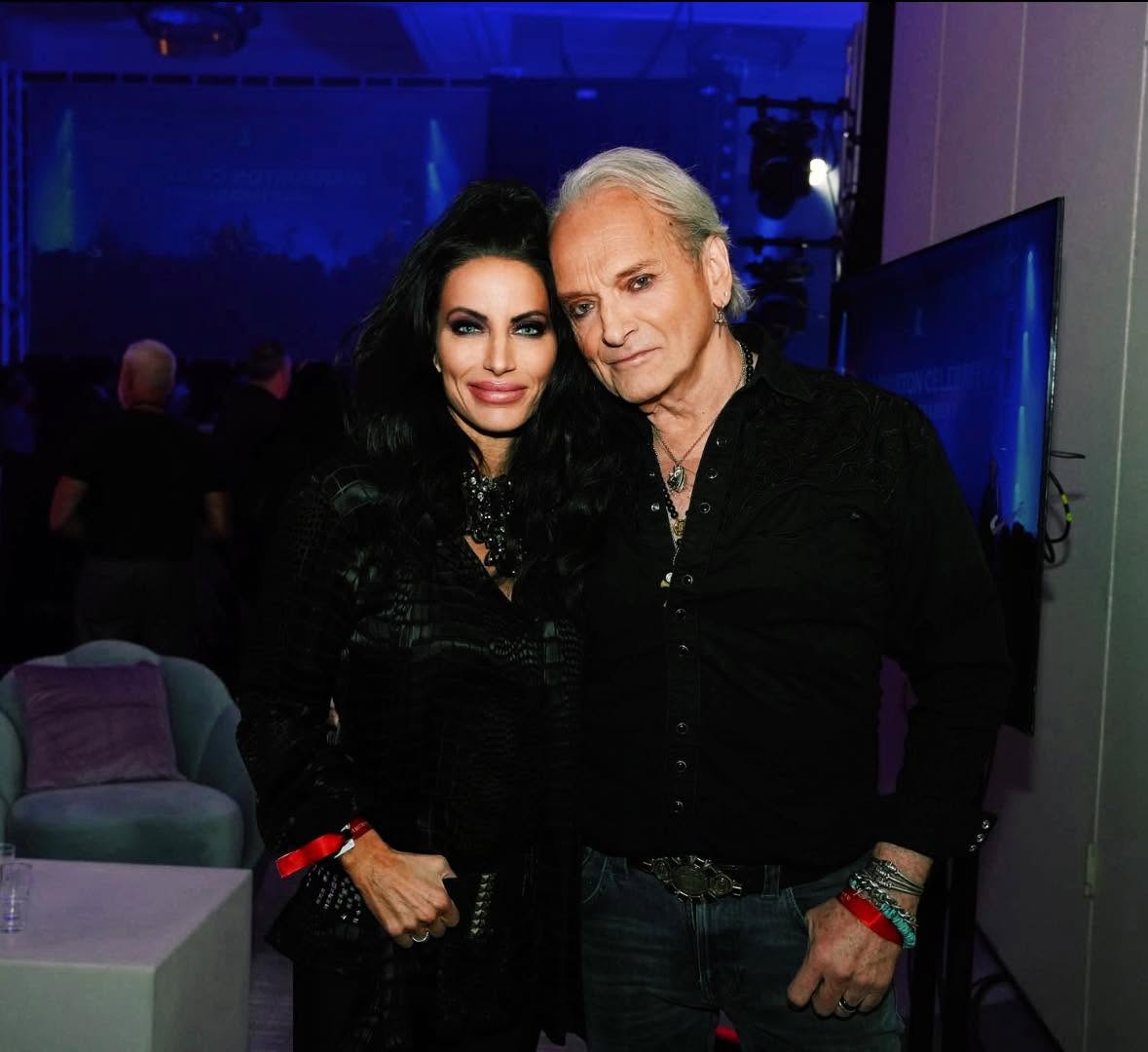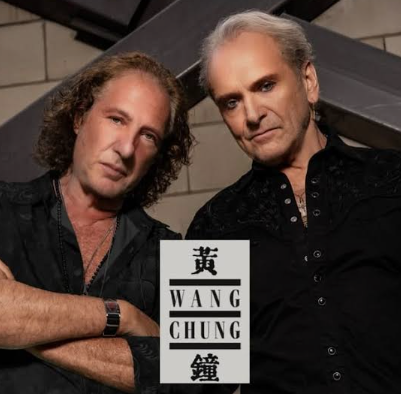
Best known for being the frontman for Wang Chung, Jack Hues has also worked with the bands, Strictly Inc., The Quartet and has three solo albums to his credit as well.
What was it like growing up in England when you did? What do you remember most fondly from that time?
I was born in Gillingham, Kent less than 10 years after the end of the Second World War. So England was still in the post war depression. We didn’t have much money, but even if we had there was nothing to spend it on!
In 1989 I went to Berlin immediately after the fall of the Berlin wall. I spent about five days there travelling to East Berlin from the West each day. You still needed a passport at the checkpoint but they didn’t always look at it. I went principally to see the State Opera in East Berlin which was still a repertory house, rather than the modern system of superstar singers jetting in to fill the leading roles. Anyway, during the day I would venture out into East Berlin.
One day I took the tram to the end of the line. It took me to a spacious park with a huge lake in the middle, a fountain shooting water into the air. On the lake shore was a café. I remember walking in and it really reminded me of Gillingham where I grew up, principally because there was virtually nothing in it, just a very bare minimum of food, sandwiches, tea. The few people inside didn’t look up even though I was clearly not from those parts! The silence, the oppressiveness, the sun-faded posters, the sense that nothing was happening – all reminded me of my childhood in Gillingham.
Do you happen to remember what your very first favorite song was? What did you love about it most?
My dad was a Saxophone player and had a collection of jazz LPs at home. I remember a Latin album. I think it was called “Viva!” Something like that. I later learned it was an English big band but the track I loved was a very cinematic dramatic piece, great rhythm and atmosphere like a spy movie score. I could’ve only been five or six but I really got it. I loved it.
Who were some of your earliest influences?
The Beatles. So many people have acknowledged that they changed everything. Not just music but society, the way people think, fashion. It was a change in consciousness comparable to the arrival of the Internet and I was swept up in that. I asked my parents for a guitar for Christmas, which they got for me, even though we had little money. I had guitar lessons every week the objective of which was to learn to play Beatles songs. I was about eight years old when I began to learn guitar. I liked other English bands like the Kinks and The Rolling Stones. I remember “You Really Got Me” was a favourite. Far more easy to play than “All My Loving” for example!
When did you first realize that music would be your life’s passion?
Because I was doing it, I didn’t really conceptualize the process. I was on the path and I wanted to learn, to find out how music worked, to quote David Byrne.
How do you think the music industry has changed most since you began your career?
Music has always been led by technology. Whether it’s the invention of the violin, grand piano or a tape recorder or MTV! Turning music into data and Social media changed how people consumed music, what they thought it was for… I guess the biggest change has really been how the eye has become dominant over the ear. Listening was so important when I was a kid. The eye is so much more full of expectation.
What advice would you offer the musicians of tomorrow?
Learn your instrument and Don’t give up!
What was it like to work in Wang Chung when you did?
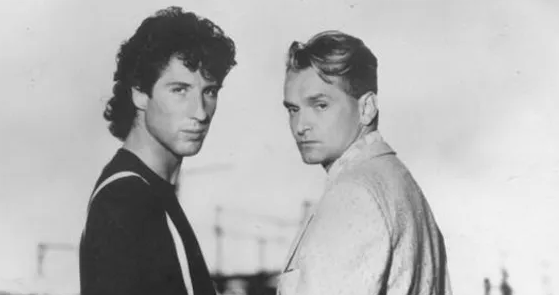
Bands by their nature are mutually supportive of the members. Working with Nick and Darren in the early days was exciting and fun. Success brings more ego and competitiveness into the picture. When it came to making videos for example we had no training. None of us went to Stage school or had any idea of what we were doing! But that was the upside in many ways. We made it up as we went along. The 80’s were a good time to be a musician in a Rock band. The business was stabilized, record companies supported the bands generously in terms of budgets for recording and making videos. The business model worked for the most part.
What are some of your most fond memories looking back on your career so far?
After 45 years in this business there are so many memories! Most of them good! Last week we played the Ryman Auditorium in Nashville for the first time. it was one of the best gigs I’ve ever done in my life so we’re still hitting new peaks and the band is as good if not better than it’s ever been.
What was it like to teach songwriting at Christ Church University in Canterbury? What led you to take on the role of a teacher?
I moved to Canterbury at the end of the 90’s. Inevitably, I made connections with other musicians. I met a guy who was teaching music at Canterbury Christchurch university. He asked me if I would help out for a couple of hours a week teaching the students about recording. He left and a new person came in to head up the course. When he realized who I was, he asked me to write a three year undergraduate course in Songwriting, which I did.
I think I was pretty effective for the first few years. I had some great students who went on to do things in the industry. Higher education underwent big changes in the UK, basically around funding. Students paid much more for their courses by the end of my time teaching than they did at the beginning. I think this had a big effect in turning them into “customers” rather than students – a negative effect in my opinion.
But I enjoyed teaching. It was social and songwriting is very isolated usually. There’s an immediate feedback with teaching and that can be satisfying.
How have your feelings about music in general changed to most since you first discovered it? Do you still love performing as much as ever? How do you think you have evolved as a musician and as an individual?
When I was young I thought of music as something that I would “do.” The implication being that there were times when I would do something else. But I realized that you have to live music if you’re going to practice it. It is a 24/7 thing and once you accept that it’s great, but I think I struggled with that for a long time. Music has been my life really, since my teens and is more now than ever. Music has saved me at my most difficult times and it has helped me celebrate the best of times. Music can be a cruel mistress, but nobody said it would be easy.
Do you have a dream project you’d most like to create?
We did a show in Los Angeles at the end of last year where we played the entire soundtrack of “To Live and Die in LA!”with extracts from the movie. Created a whole immersive experience – that was a great project that I would like to repeat in 2027. I’ll be releasing a new solo album called “This Changes Everything” at the beginning of 2027. My solo albums are dream projects in a way. I am still obsessed with making albums, making something that people can listen to and be transported by, inspired or just amused.
What do you think is key to a life well lived? How do you hope to be remembered when your time comes?
As Joseph Campbell said, “Follow your Bliss” and as long as you follow it with kindness, humility and compassion the universe will help you in unexpected ways. I would like to be remembered as someone who crossed boundaries, social and artistic, who played life full out and tried to give back as much as was given to me.
Is there anything you’d like to say in closing?
Thank you for the questions and for the opportunity to think about my life in music.