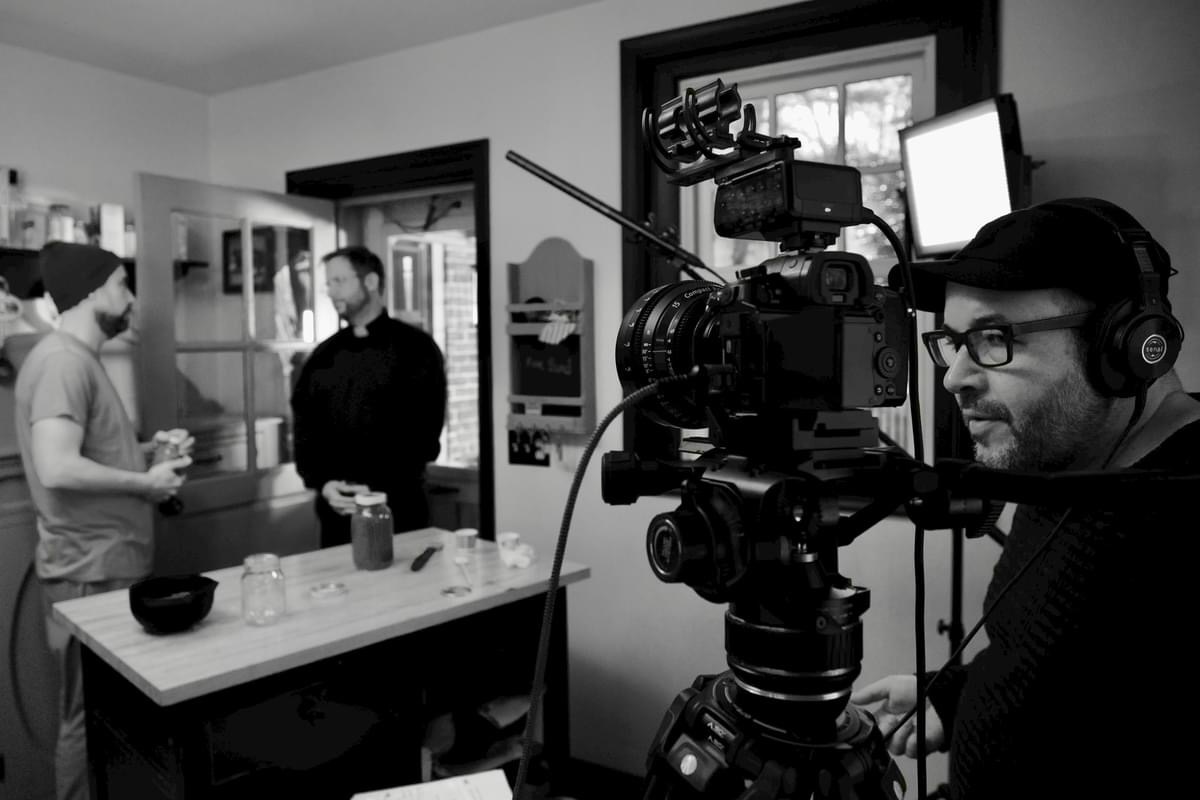
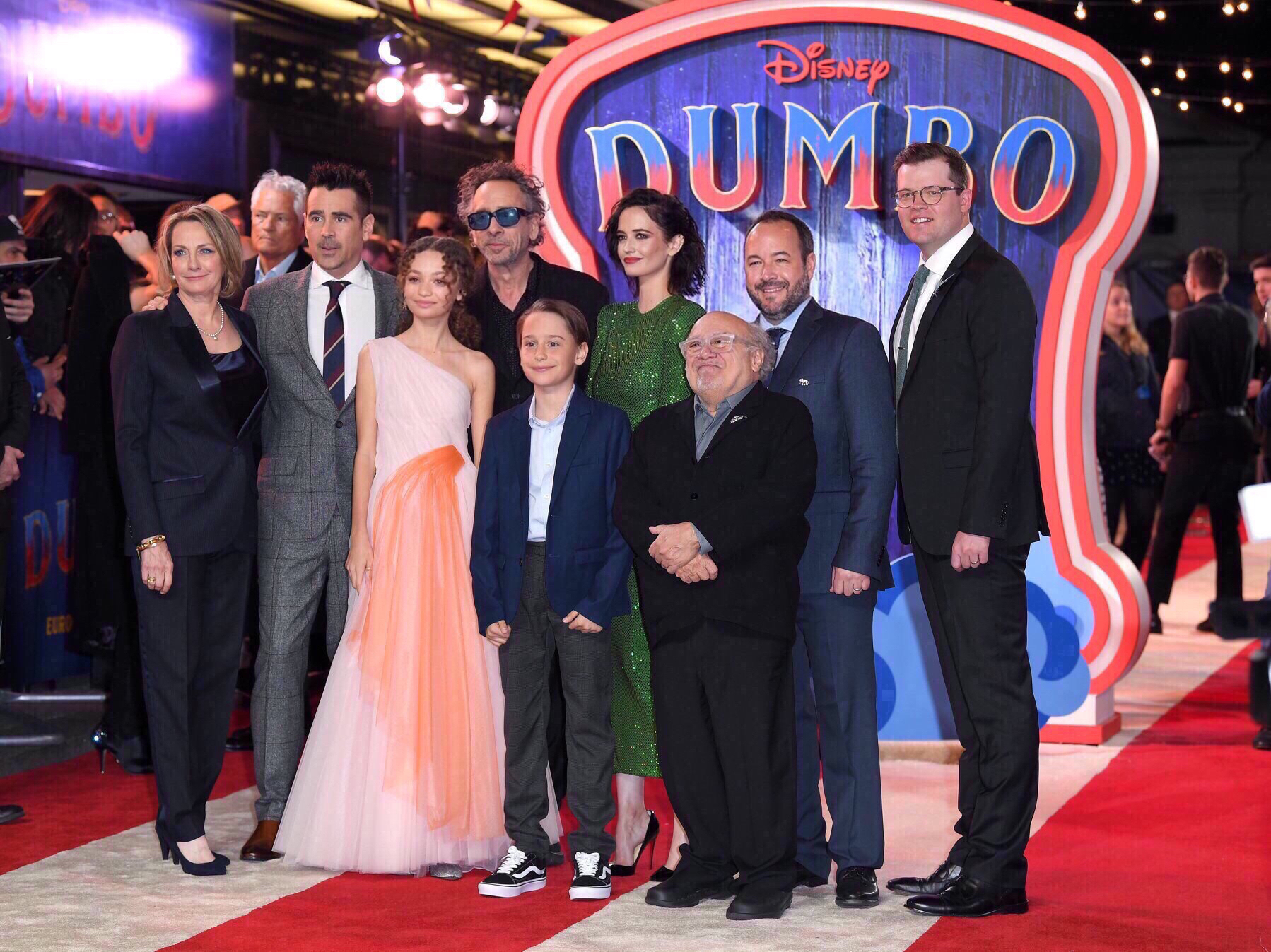
Derek Frey is an award winning filmmaker best known for his work as a producer alongside Tim Burton on such films as Miss Peregrine’s Home for Peculiar Children, Sweeney Todd: The Demon Barber of Fleet Street, Corpse Bride, Charlie and the Chocolate Factory, Frankenweenie, Big Eyes, Alice in Wonderland, and Dumbo to name a few.
Can you tell us a little about your latest project, The Current State of the Backyard Pool Industry? What can viewers expect from it and how did it come about?
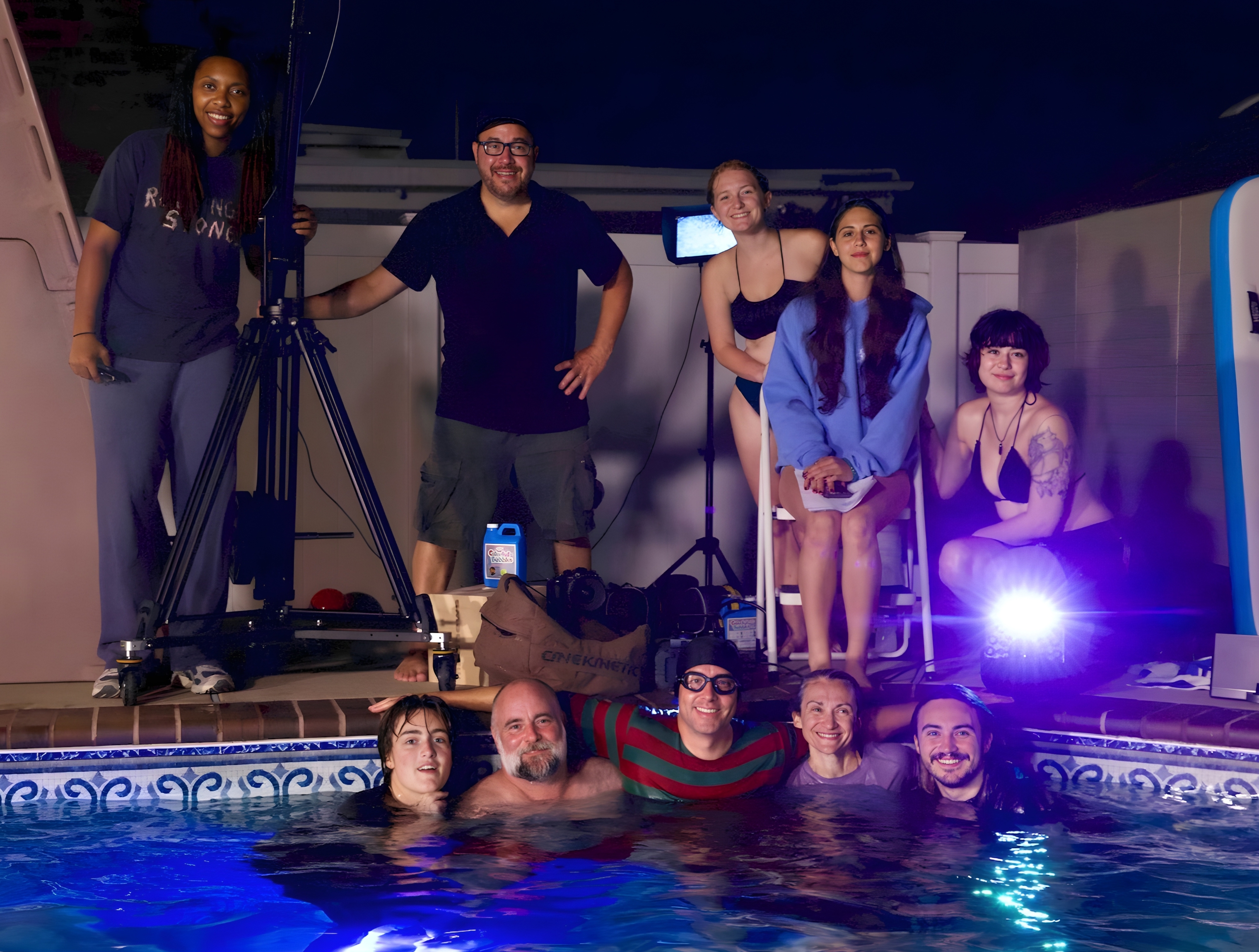
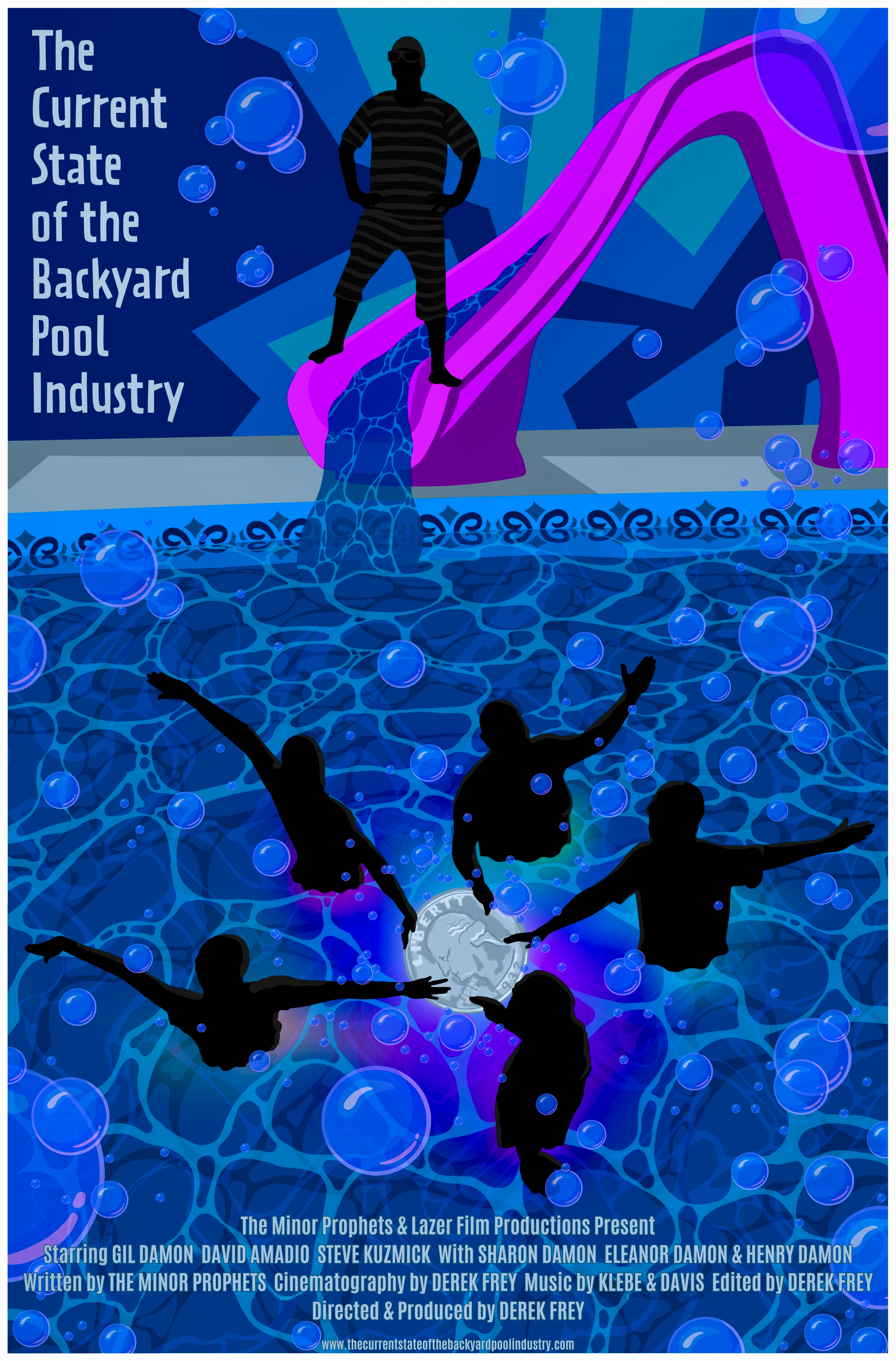
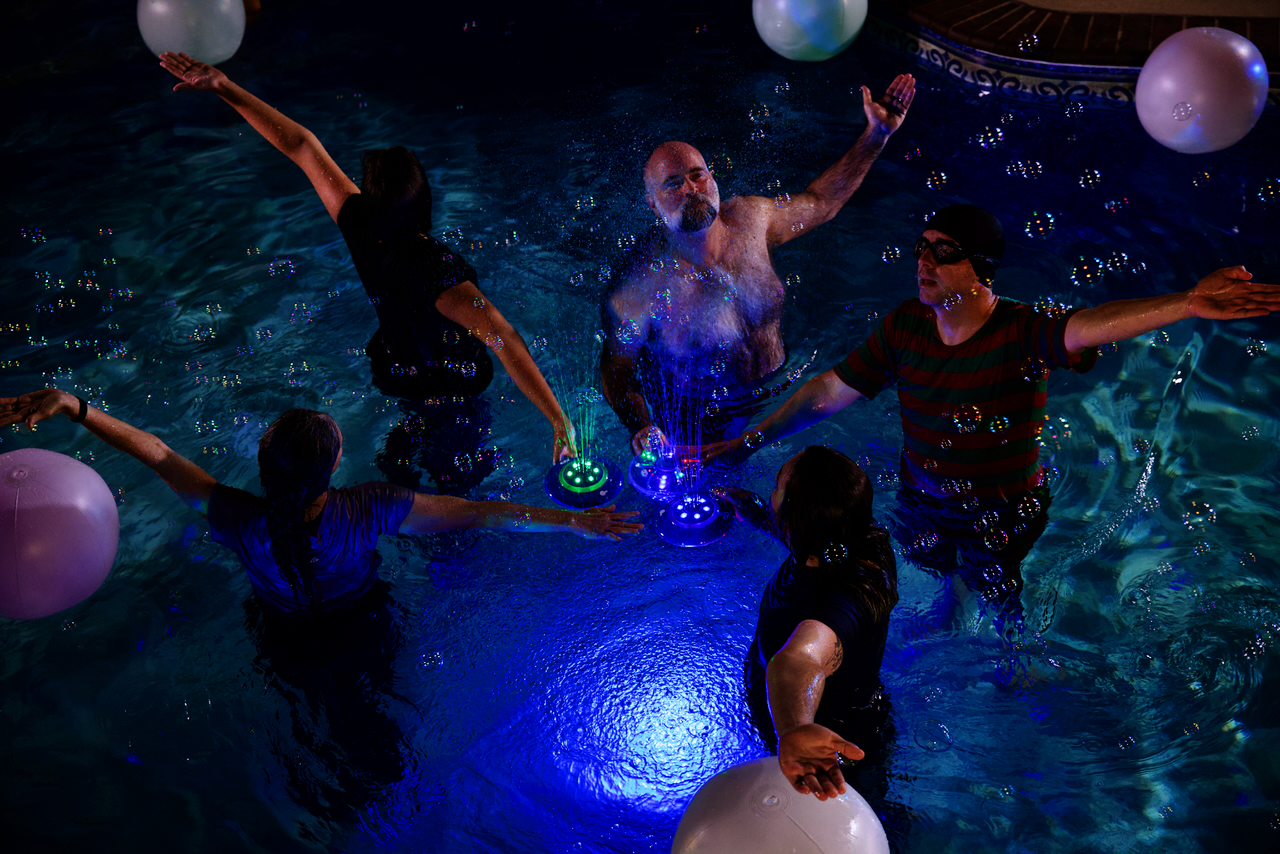
The Current State of the Backyard Pool Industry is a dramedy, but beneath the humor it’s really about friendship, aging, identity, and the search for connection. The pool becomes a kind of metaphor for a way of life that’s slowly disappearing. It’s about people trying to remain relevant in a world that seems to be moving on without them.
The film grew out of years of collaboration with The Minor Prophets and our shared fascination with the strange rituals and mythology surrounding American suburbia. We approached it with a lot of affection and humor, but also with an awareness that there was something surprisingly emotional underneath it all.
For me personally, the project also arrived at an interesting point creatively. My previous film with The Minor Prophets, Viaticum, explored mortality and the experience of confronting death. While it was wrapped in dark comedy, it spent a great deal of time contemplating final moments and the end of life’s journey. After living in that space, I found myself wanting to tell a story that felt like a deep breath in the opposite direction. A story about embracing life, friendship, community, and the beautiful absurdities that surround us every day.
In that sense, The Current State of the Backyard Pool Industry feels like a celebration of being alive, even as it reflects on the passage of time.
I think audiences can expect something funny, heartfelt, a little eccentric, and hopefully very human.
How does making intimate independent films differ creatively from working on large-scale studio productions?
Creatively, the biggest difference is scale and freedom.
My own directorial projects have always been an opportunity to explore more personal material that I’m drawn to and experiment with stories that might not fit neatly within a traditional studio model. There’s a tremendous creative freedom in independent filmmaking, and I enjoy the challenge of building something from the ground up with a small, passionate team.
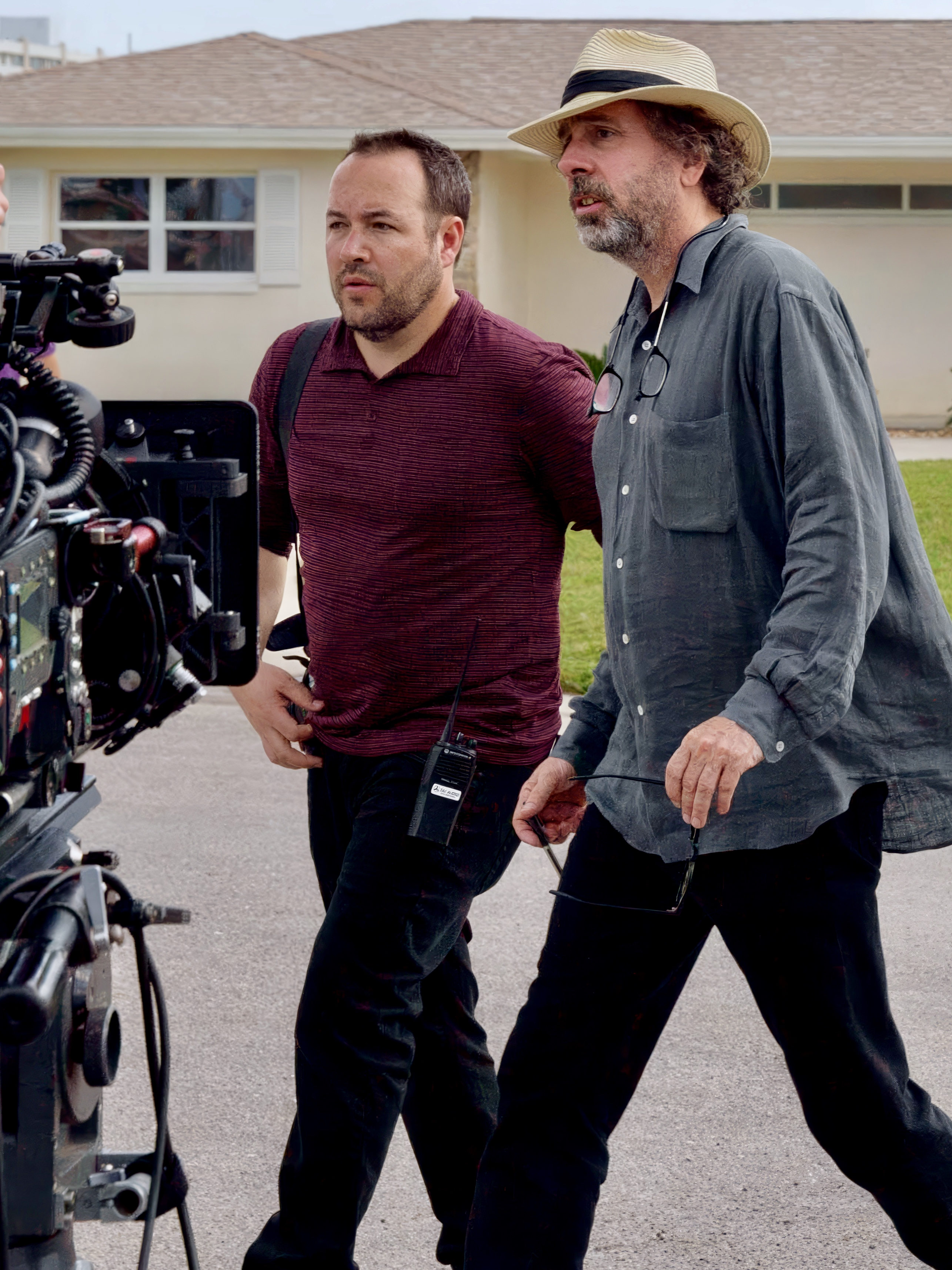
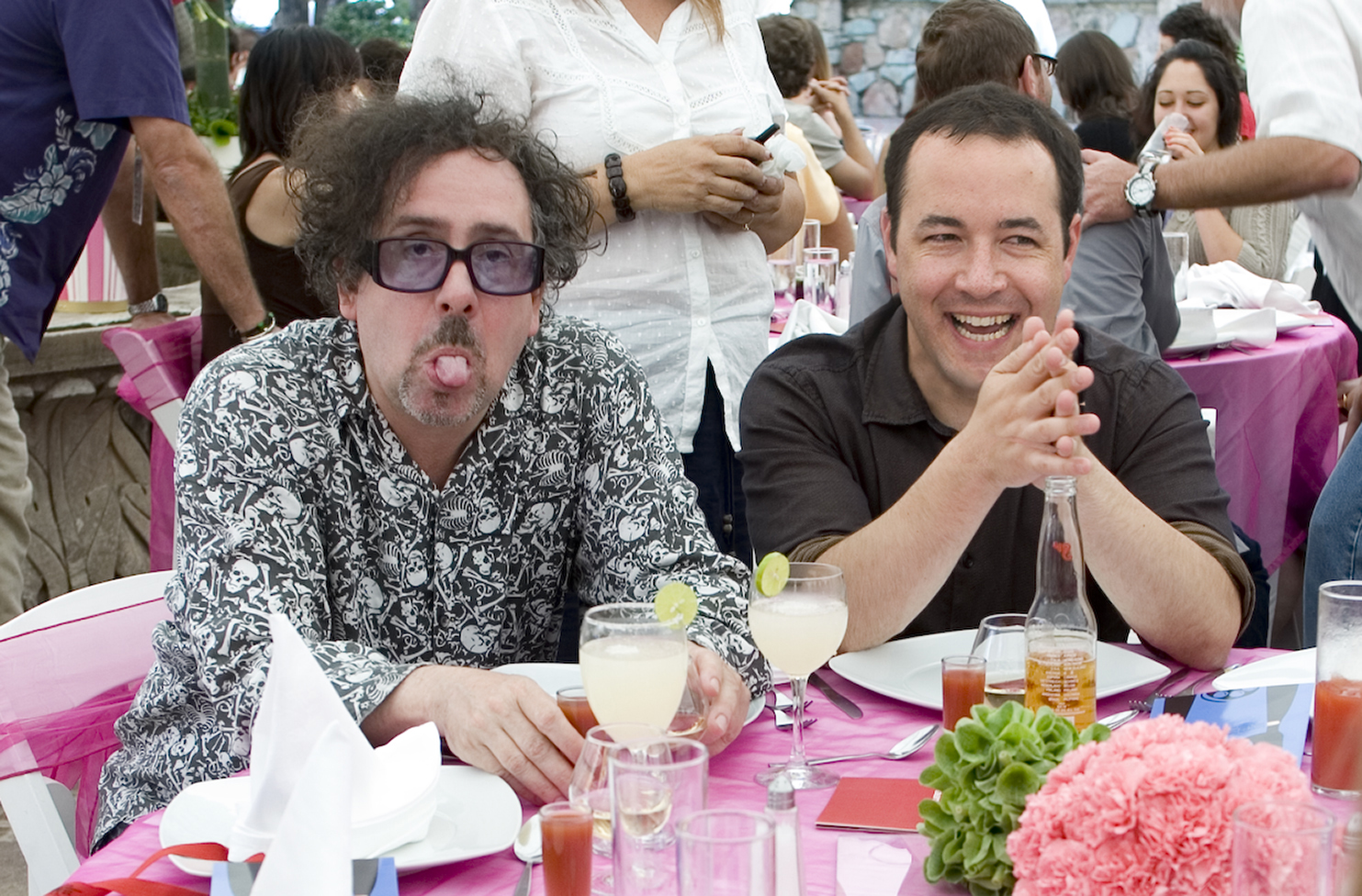
Large-scale studio productions offer a different kind of creative reward. They are extraordinary collaborative efforts involving hundreds, sometimes thousands, of talented artists working toward a shared vision. Over the course of more than two decades collaborating with Tim Burton on films such as Sleepy Hollow, Charlie and the Chocolate Factory, Alice in Wonderland, Miss Peregrine’s Home for Peculiar Children Corpse Bride, and Big Eyes, I’ve had the opportunity to be part of assembling and collaborating with an array of talent, all in service of a singular creative vision.
Film is ultimately a team effort. Whether you’re working with a handful of collaborators or a massive production family, you’re creating something together that none of you could make alone.
I’ve been fortunate to work in both worlds, and each has influenced the way I approach the other. The independence and resourcefulness of smaller projects have made me a better collaborator on larger productions, while the lessons learned from major studio films continue to inform the way I develop and direct my own work.
What types of stories or projects are currently inspiring you most as a filmmaker and producer?
I’ve always been fascinated by stories that exist just beyond the edge of what we know or understand. Whether they’re rooted in folklore, science fiction, horror, or the paranormal, I’m drawn to narratives that ignite the imagination and encourage us to question what might be possible.
It’s also an exciting time for genre storytelling. We’re seeing everything from inventive low-budget breakout hits to ambitious studio productions finding audiences around the world. The horror and genre space, in particular, feels remarkably healthy and creatively vibrant right now. Filmmakers are increasingly using these genres not only to entertain, but also to explore larger ideas about identity, culture, community, and the human experience.
I’m especially energized by recent work that demonstrates how bold, distinctive storytelling can still connect with a wide audience. Sinners is a film I found incredibly inspiring. It feels both epic and personal, delivering thrilling entertainment while exploring larger themes with confidence and intelligence. One Battle After Another exemplified the power of ambitious, filmmaker-driven storytelling at scale. In television, series such as Widow’s Bay showcase how long-form genre-bending storytelling can build rich worlds, compelling mysteries, and deeply layered comedic characters that keep audiences invested.
What excites me most is seeing filmmakers push boundaries while remaining accessible to audiences. Whether it’s horror, fantasy, science fiction or something that defies easy categorization, I’m inspired by stories that surprise, challenge expectations, and remind me why I fell in love with films in the first place.
Update readers on projects you’re developing?
I’m fortunate to be working on a diverse slate of projects across live-action and animation, many of them with collaborators I’ve admired for years.
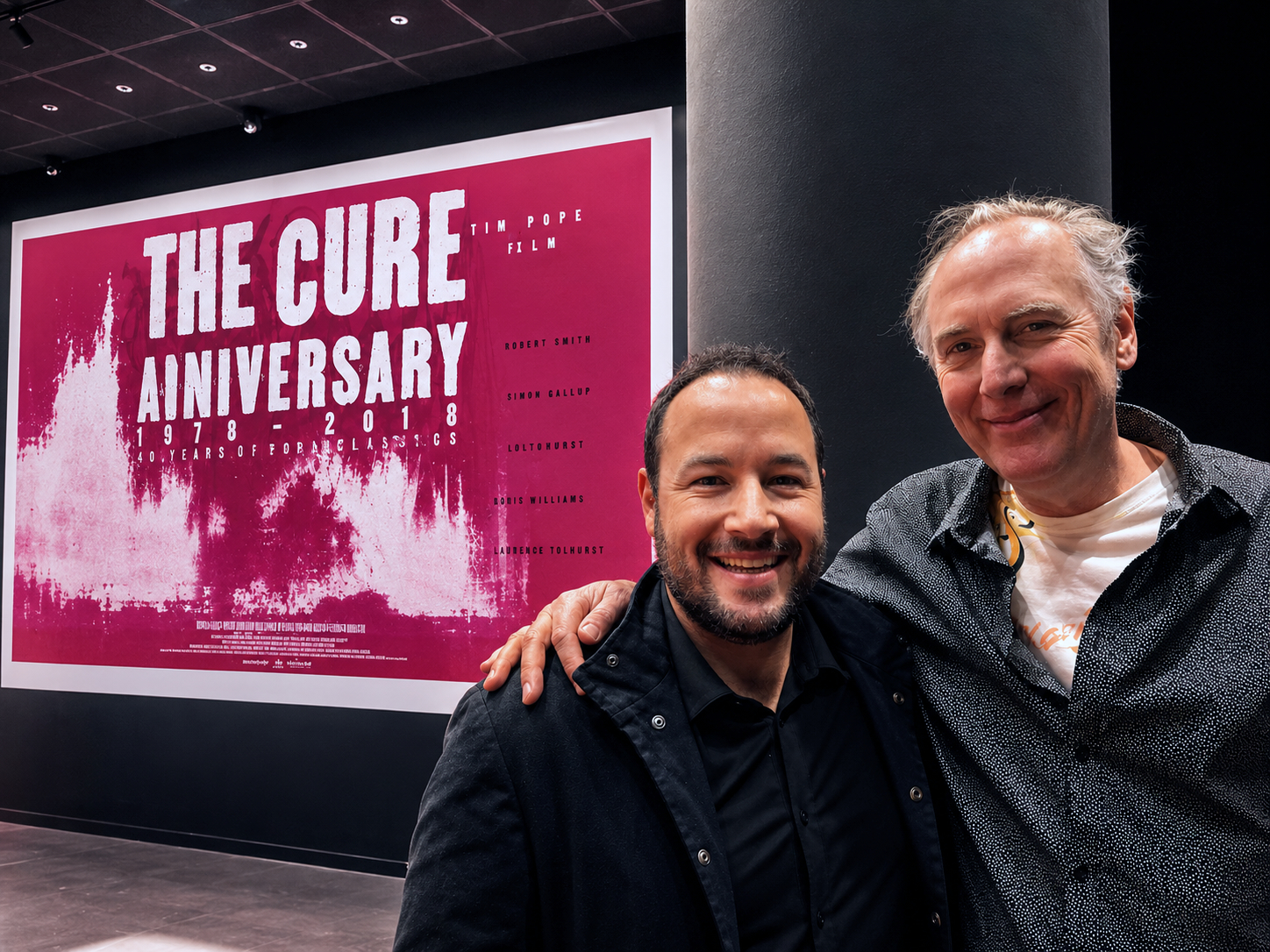
One of the projects I’m most excited about is The Photographer’s Assistant, a gothic thriller written and directed by Tim Pope. Long before I entered the film industry, I was a huge fan of Tim’s work. Growing up, his music videos for The Cure were unlike anything else I had ever seen. Close to Me, Just Like Heaven, Lullaby, In Orange – they are imaginative, cinematic, funny, haunting, and instantly recognizable. Tim helped define the visual language of an entire era, and his collaborations with an array of musical talent remain some of the most iconic and influential works ever created.
What has been especially rewarding is discovering that the same creativity and artistic fearlessness that made me a fan of his work continues to drive him today. Tim has a singular voice as a filmmaker, and The Photographer’s Assistant is a project filled with the atmosphere, mystery, humanity, and visual imagination that have always distinguished his work. Collaborating with a kindred creative spirit, who inspired my own work, has been a genuine privilege.
I’m also thrilled to be working with Moonheart Entertainment on New Dog City, an animated supernatural mystery. Moonheart is building an exciting slate of original creator-driven worlds and franchises, and what I admire most is their commitment to developing bold, distinctive intellectual property at a time when audiences are hungry for fresh stories and new universes to explore. New Dog City combines mystery, adventure, supernatural elements, and humor in a way that feels both classic and completely original, and I’m excited to be part of that journey.
I’m also developing Meet the Sandman with filmmaker/writer Amira Dahan, a psychological horror feature set in a stylized 1950s world where the American dream slowly gives way to nightmare. Inspired by the centuries-old Sandman legend, the film reimagines the folklore through a terrifying lens, blending mystery, fantasy, and psychological horror while exploring the fears and secrets hidden beneath seemingly perfect lives.
Another project close to my heart is Pangea, an animated stop-motion science-fiction series being developed with the talented team at Inspira Animation in Spain, alongside producer Priscilla Smith and The Coven. The series combines environmental themes, social responsibility, and adventure within a richly imagined future world. Inspira has already completed an initial episode and it’s fantastic!
I’m continuing to collaborate with my friend and creative colleague Michael Greene on several projects, including the supernatural horror film Die in the Dark and the tech-thriller Project Eden. Michael is a tremendously talented and remarkably prolific writer whose imagination never seems to rest. We’ve previously collaborated on Evil Inspiration and Medication Dreams and share many of the same creative sensibilities.
We’re actively examining how emerging technologies may influence the way stories are created and experienced. In the case of Project Eden, those questions are woven directly into the narrative itself, creating an opportunity for the filmmaking process and the story’s themes to inform and challenge one another in fascinating ways. The film will be a warped head trip!
I’m also developing Operation Hoodwink, a limited series written by the talented Cara Salmeri, which explores a remarkable true story involving a covert post-World War II operation and the cultural influence of Superman in America. What first drew me to the project was its ability to illuminate a little-known chapter of history while speaking directly to issues that remain relevant today.
At its core, the story examines the power of media, storytelling, propaganda, and truth in shaping public perception. While the events took place decades ago, many of the questions the series raises feel strikingly contemporary. In an era where misinformation, polarization, and competing narratives increasingly shape our world, Operation Hoodwink offers a fascinating lens through which to examine the enduring importance of critical thinking, shared values, and the stories societies choose to tell about themselves.
I’ve also been fortunate to continue collaborating with Allison Abbate on a number of exciting projects spanning animation, hybrid and live-action genre storytelling. Allison is one of the most respected producers in the industry, with an extraordinary body of work that includes films such as The Iron Giant, Corpse Bride, Fantastic Mr. Fox, and Frankenweenie. Having worked alongside Allison over the years, I’ve long admired her ability to champion distinctive stories and bring together exceptional creative talent. We share a passion for projects that embody the spirit of Halloween, combining imagination, wonder, heart, and the unexpected.
Among those projects is The Ghost of Grania O’Malley, based on the beloved novel by Michael Morpurgo. The project is being developed alongside award-winning UK filmmakers Julia Ouston and Helen Blakeman of Title Page Films, whose passion for the material and commitment to authentic storytelling have been instrumental in shaping the project. It’s a story that beautifully blends history, folklore, family, and adventure, and we’re incredibly excited about its potential.
The project is especially meaningful to me because I previously spent several years developing Toto, based on Michael Morpurgo’s wonderful reimagining of The Wizard of Oz, for Warner Bros. Pictures Animation. While that project has been put on hold as the studio navigates the tremendous success and cultural impact of the Wicked films, it gave me a deep appreciation for Michael’s gift as a storyteller. His ability to blend adventure, heart, history, and humanity is truly special. In that sense, it feels like a wonderful full-circle moment to once again be exploring one of his worlds.
Together, our team is working to bring Grania’s story to a new generation of audiences while honoring the spirit, imagination, and emotional truth that have made Michael’s work resonate with readers around the world.
Beyond The Ghost of Grania O’Malley, Allison and I continue to explore several projects that occupy the genre space we both love and have spent much of our careers helping bring to audiences. Among them is a feature adaptation of a work by Ted Hughes, one of Britain’s most celebrated literary voices and the author of The Iron Man, which famously inspired The Iron Giant. Hughes possessed a remarkable ability to blend myth, wonder, darkness, humor, and profound emotional truth in ways that continue to resonate across generations.
And, of course, I know it’s just a matter of time before Hawaii calls me back for another melodic adventure with my musical friends and collaborators. (We’re overdue!) Lastly, I’m excited to see what comes next with The Minor Prophets. We’ve shared an incredible creative journey over the years and we’ve already begun exploring ideas for how to mark our 20th anniversary of collaborations as well as what may become our next meditation on life.
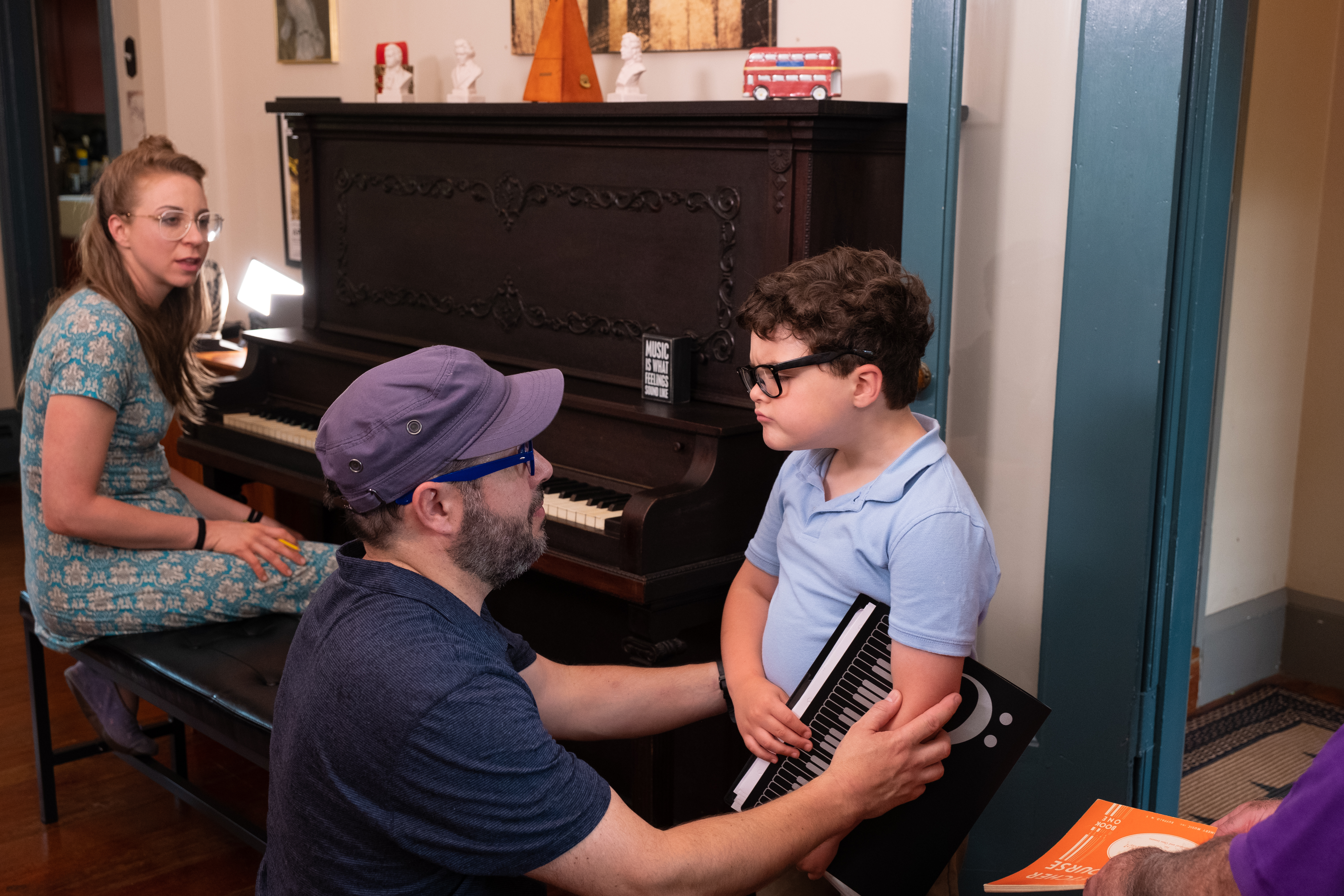
How has becoming a father changed your approach to your creative work?
Becoming a father changed my perspective in ways I never could have anticipated.
It has made me much more aware of time and how precious it really is. When you’re younger, it can feel like there’s always another opportunity, another project, another year. Having children makes you realize just how quickly life moves and how important it is to spend your time on work that genuinely matters to you.
Parenthood has also deepened my connection to storytelling. Themes like family, sacrifice, responsibility, wonder, hope, and legacy resonate very differently now than they did twenty years ago. There are moments in scripts or films that affect me today in ways they simply wouldn’t have before becoming a parent.
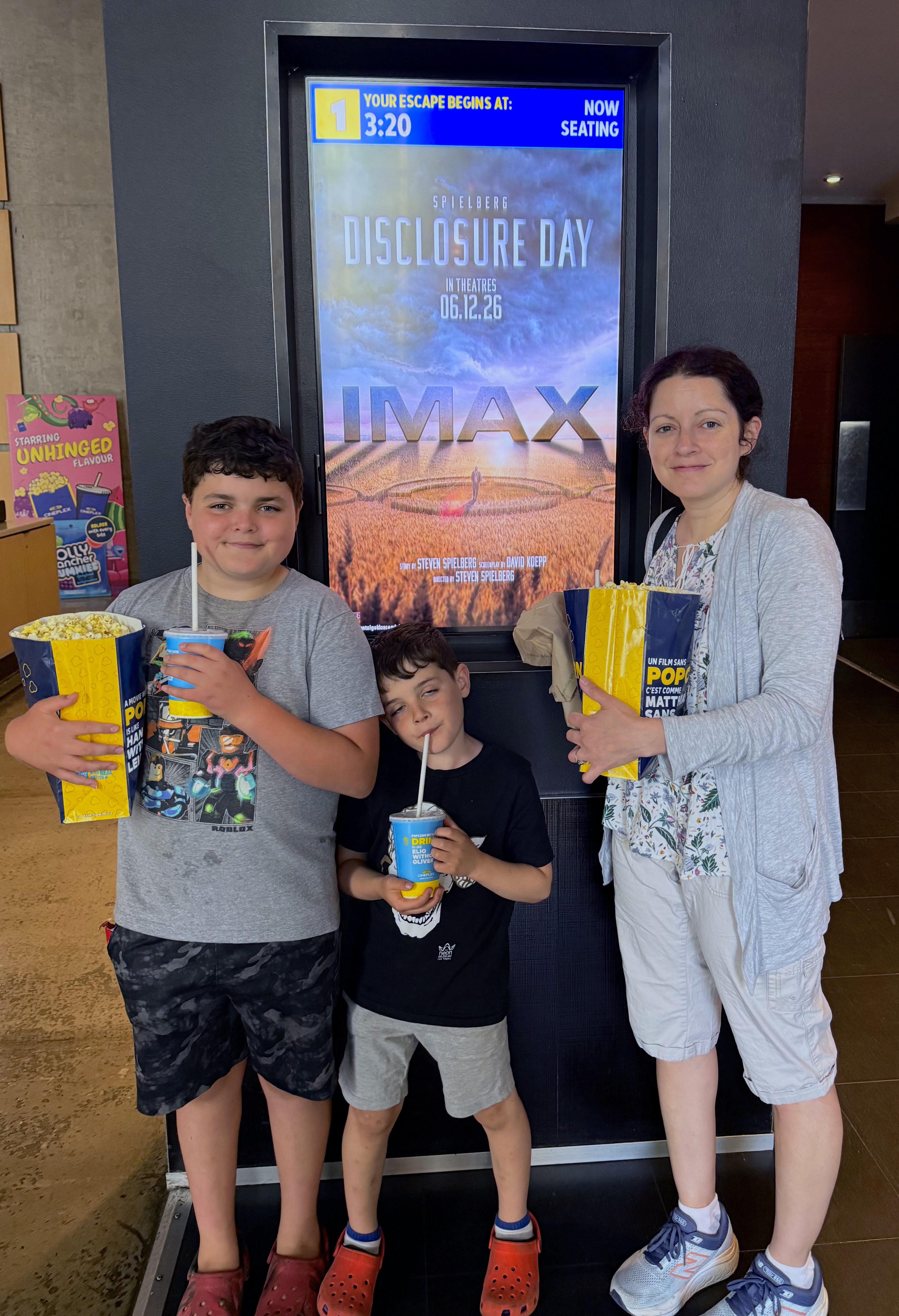
It has also given me a front-row seat to a new generation of audiences. Through my children, I’m constantly exposed to the stories, characters, and worlds (Youtube, Youtube and more Youtube!) that capture their imagination. Seeing what excites them, what holds their attention, what makes them laugh, and what sparks meaningful conversations has become incredibly valuable to me as a filmmaker. It often leads me to ask whether the projects I’m developing will resonate with younger audiences and whether the themes at their core are truly timeless.
At the same time, one of the great joys of being a parent has been sharing the films, books, and stories that inspired me when I was growing up. There’s something incredibly special about introducing your children to a film you love and then watching it through their eyes for the first time. It’s especially rewarding when they embrace something that has meant so much to you. Those moments remind me that while technology, trends, and viewing habits continue to evolve, certain stories endure because they tap into something universal.
In many ways, becoming a father has reinforced my belief that the best stories are the ones that connect generations. Whether I’m developing a family adventure, an animated film, a fantasy, or even a genre project, I find myself thinking more about what makes stories last and what themes continue to resonate from one generation to the next.
More than anything, I think becoming a parent has made me a more empathetic filmmaker, a more thoughtful storyteller, and hopefully a better person.
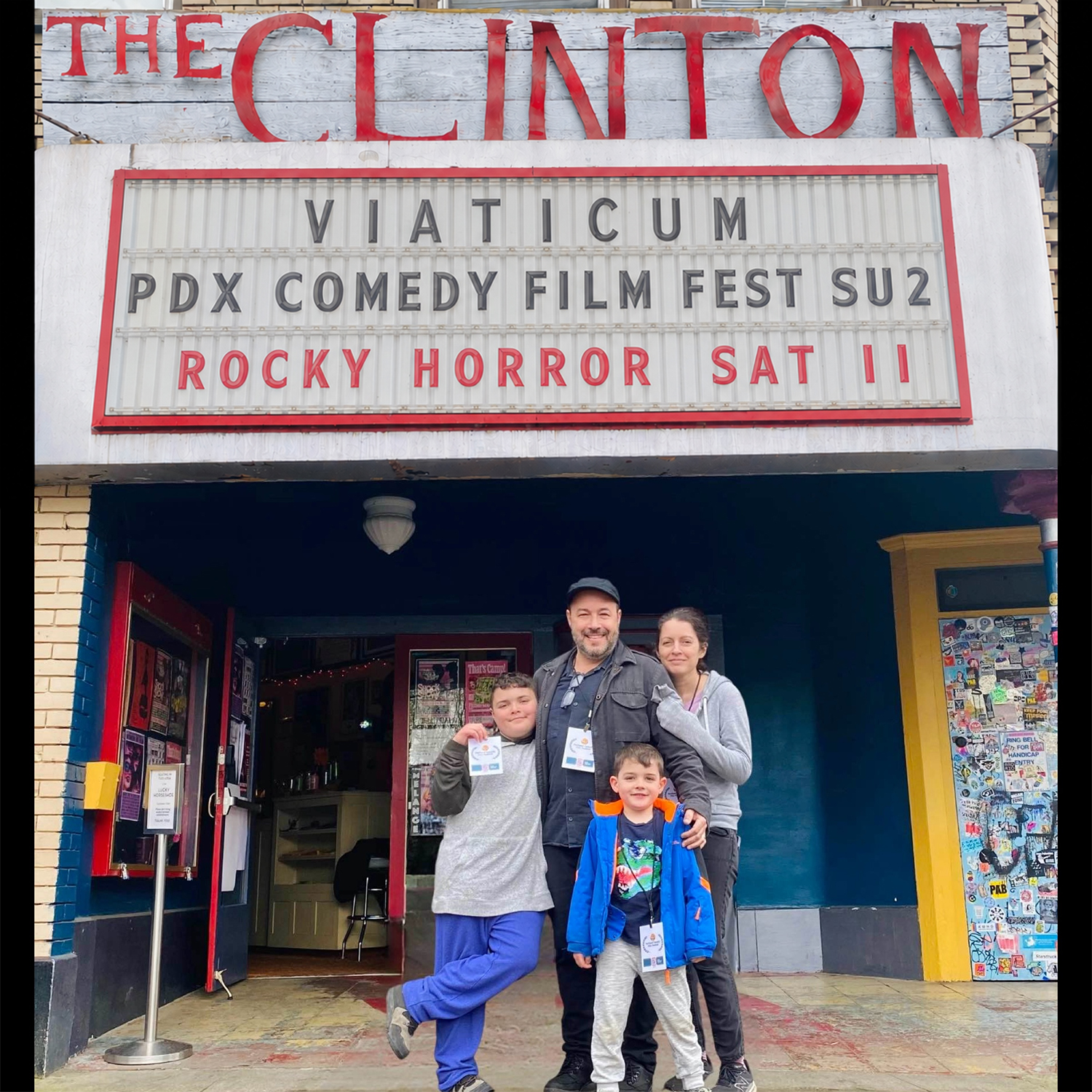
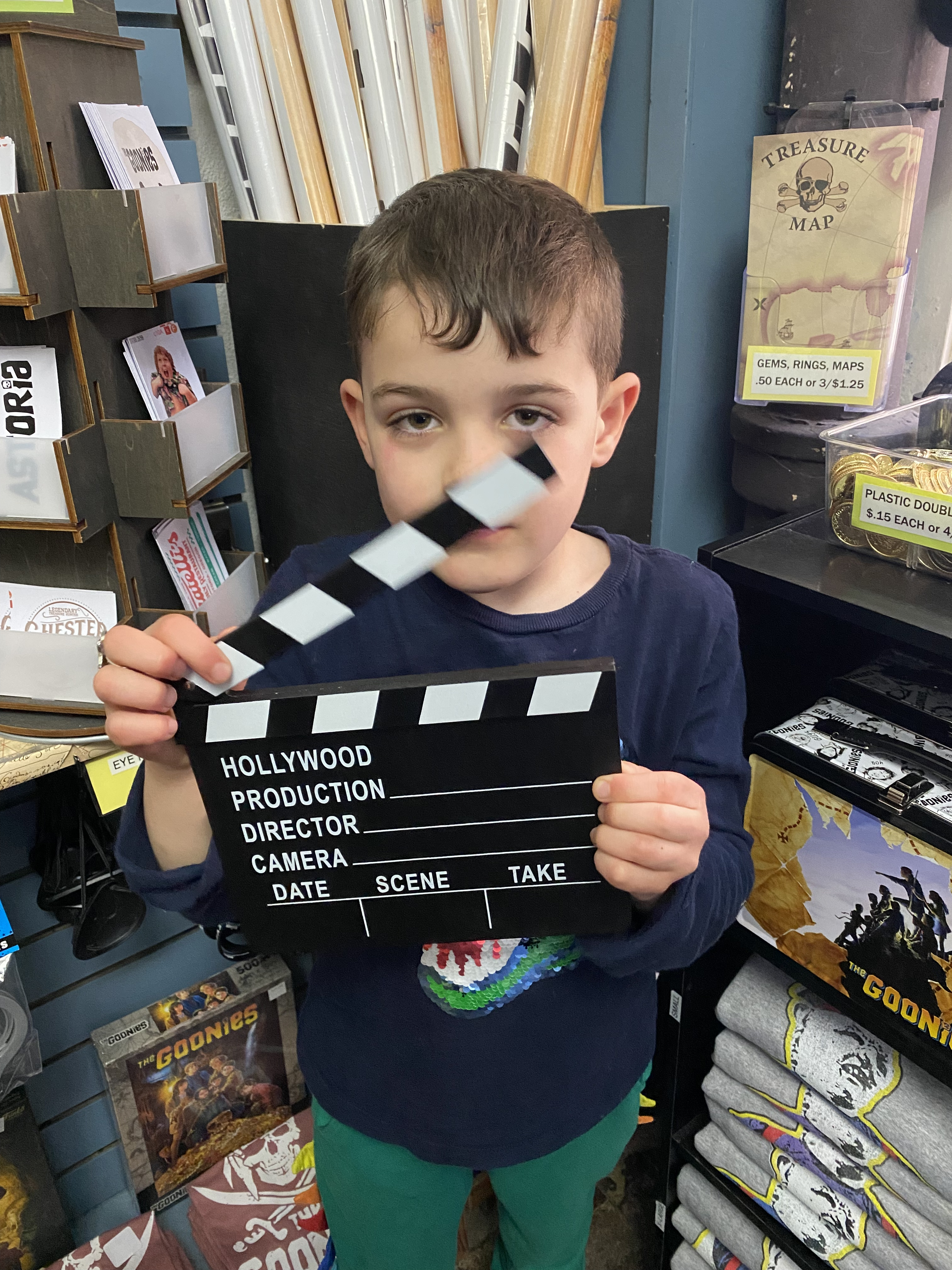
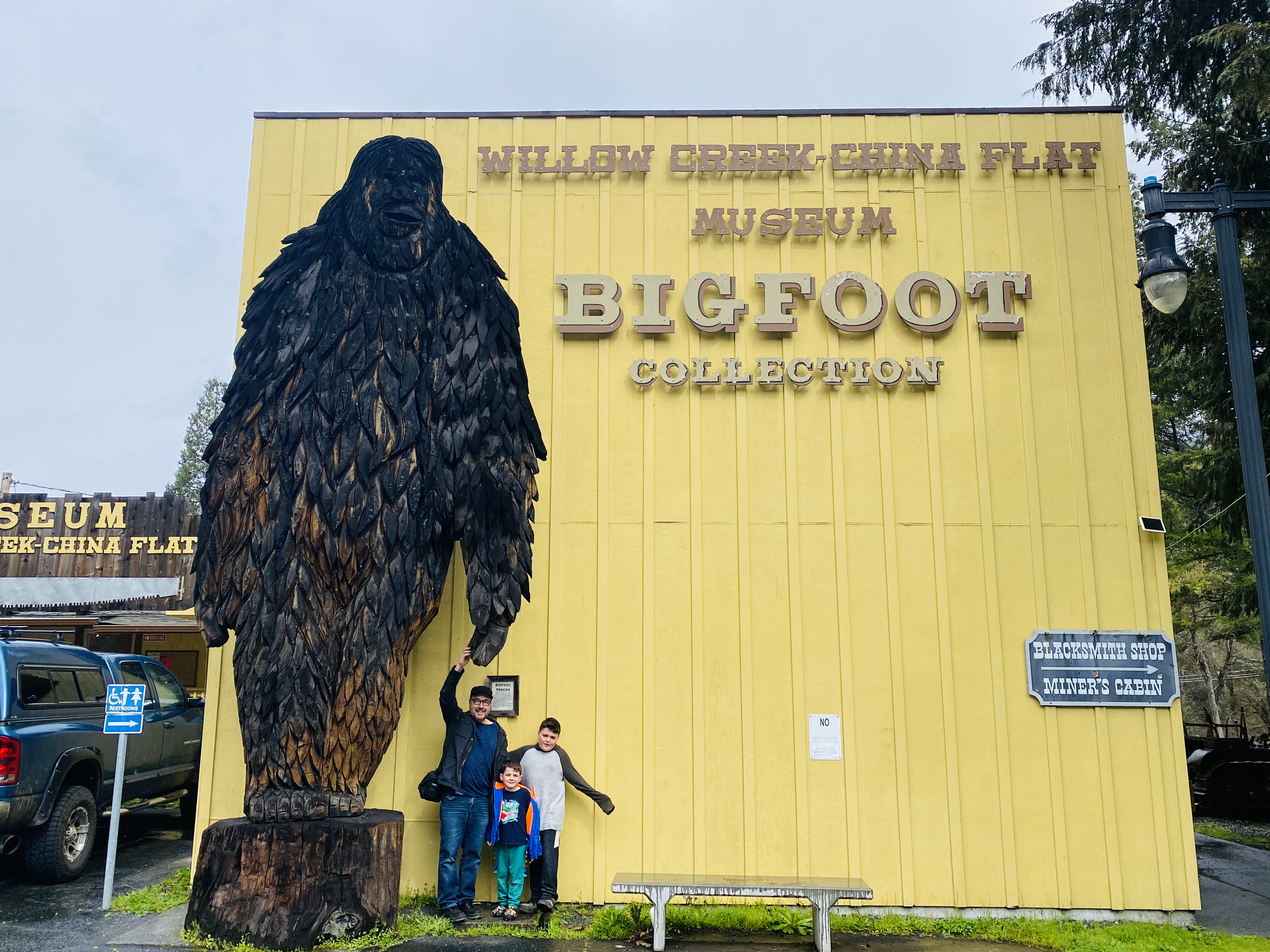
What do you enjoy most about being a parent at this point in time? What do you hope your children learn from your example?
One of the greatest joys of being a parent is watching your children discover the world for themselves.
They ask questions adults have stopped asking. They notice things we overlook. Their imagination, curiosity, and sense of wonder can be incredibly inspiring.
If there’s anything I hope they learn from me, it’s to remain curious, creative, kind, and resilient. I hope they understand that it’s okay to follow an unconventional path if it leads them toward something meaningful.
Most of all, I hope they learn that success isn’t measured solely by achievement. A meaningful life is built through relationships, experiences, character, and staying true to who you are.
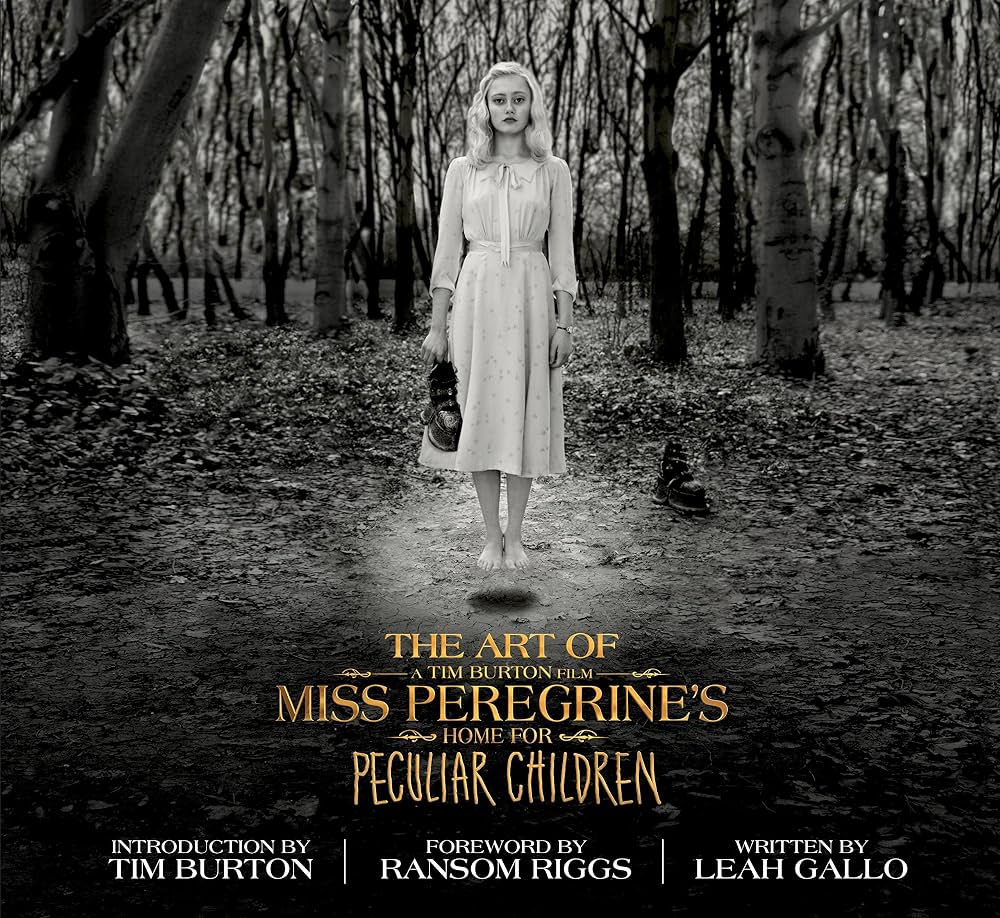
How has your wife Leah contributed to your success in life so far?
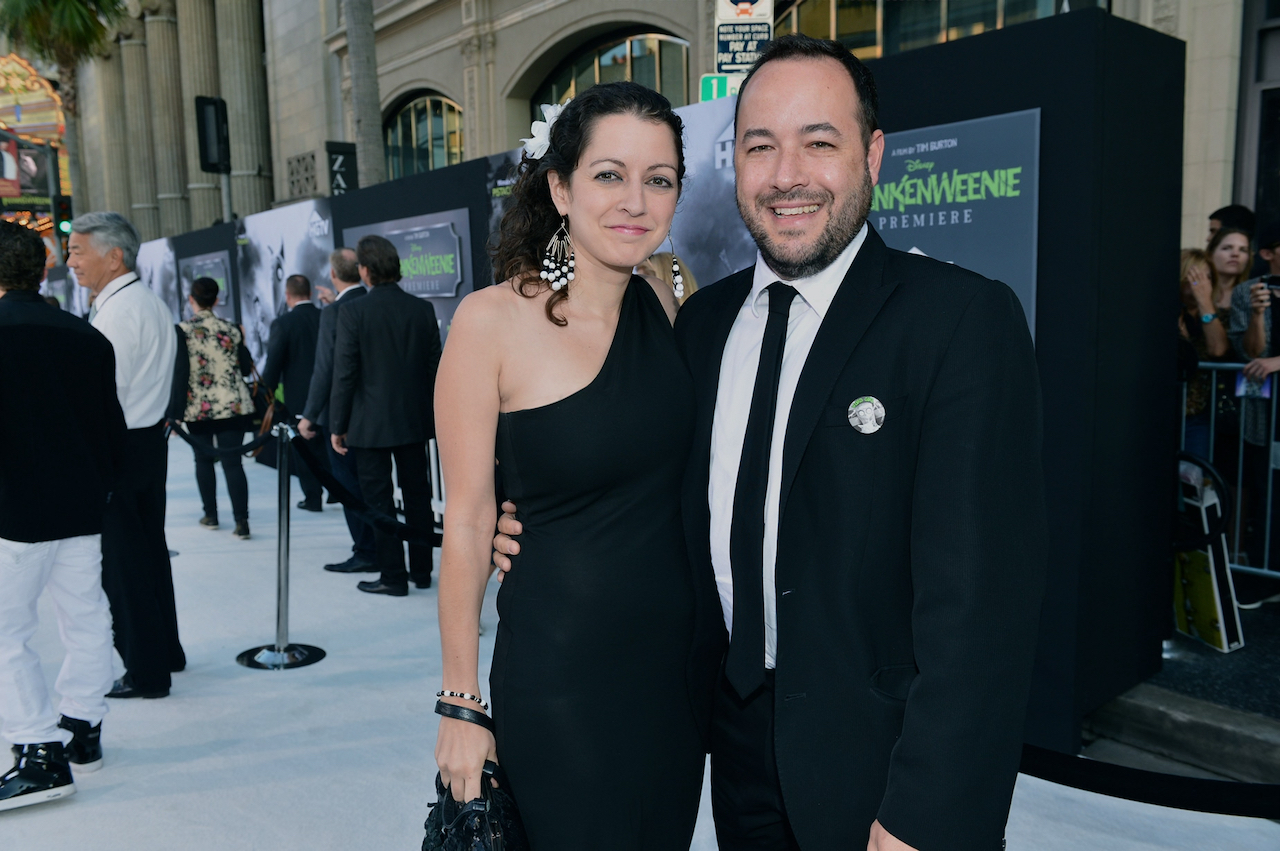
Leah has been my partner, collaborator, sounding board, and best friend through an extraordinary number of adventures over the years.
One of the things that makes our relationship special is that we’re both creative people. She understands the need I have to create because she feels that same pull herself. We both know what it’s like to become absorbed in a project, wrestle with ideas, chase inspiration, and keep working until something feels right. Because of that, we’ve always supported and encouraged one another’s creative pursuits.
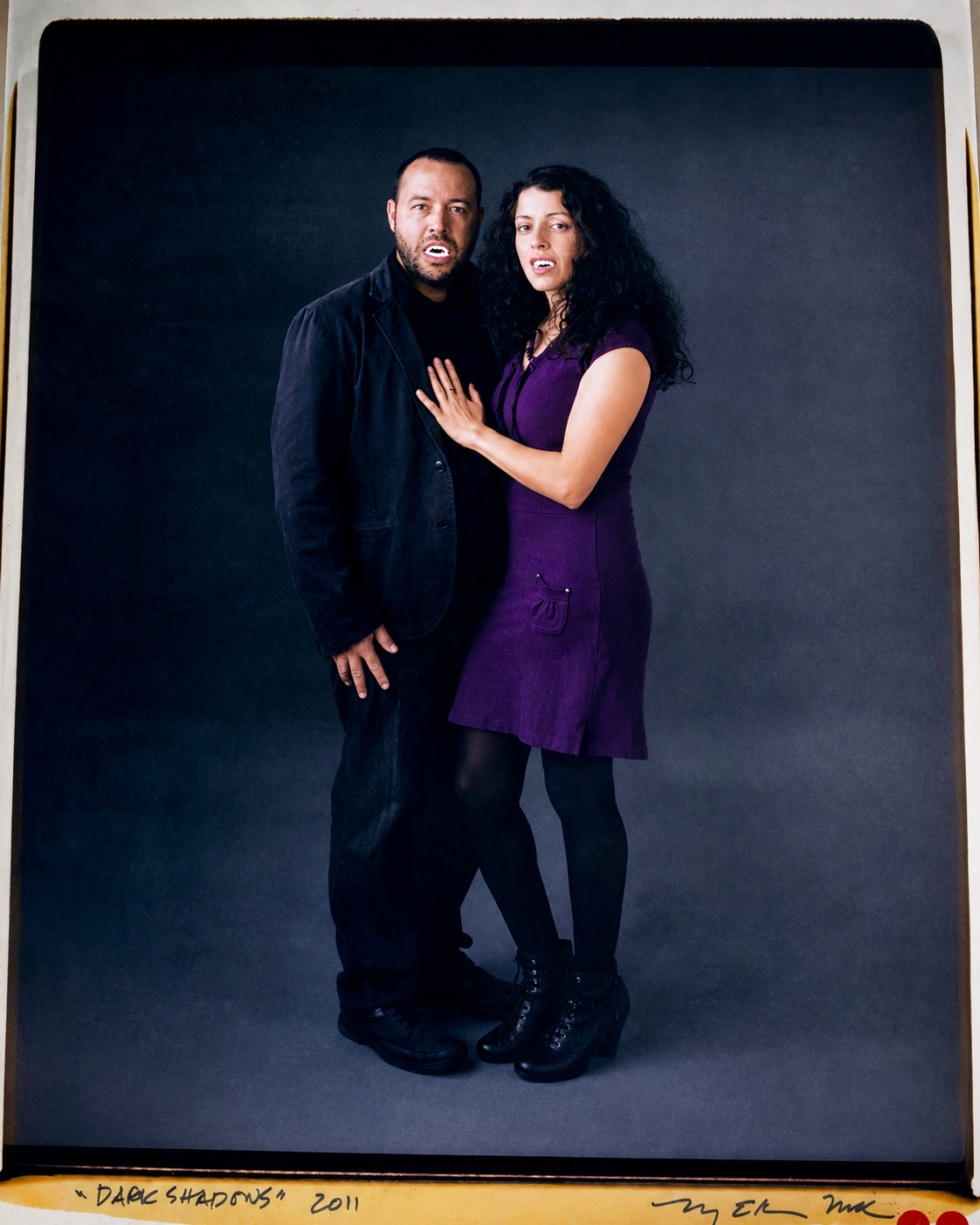
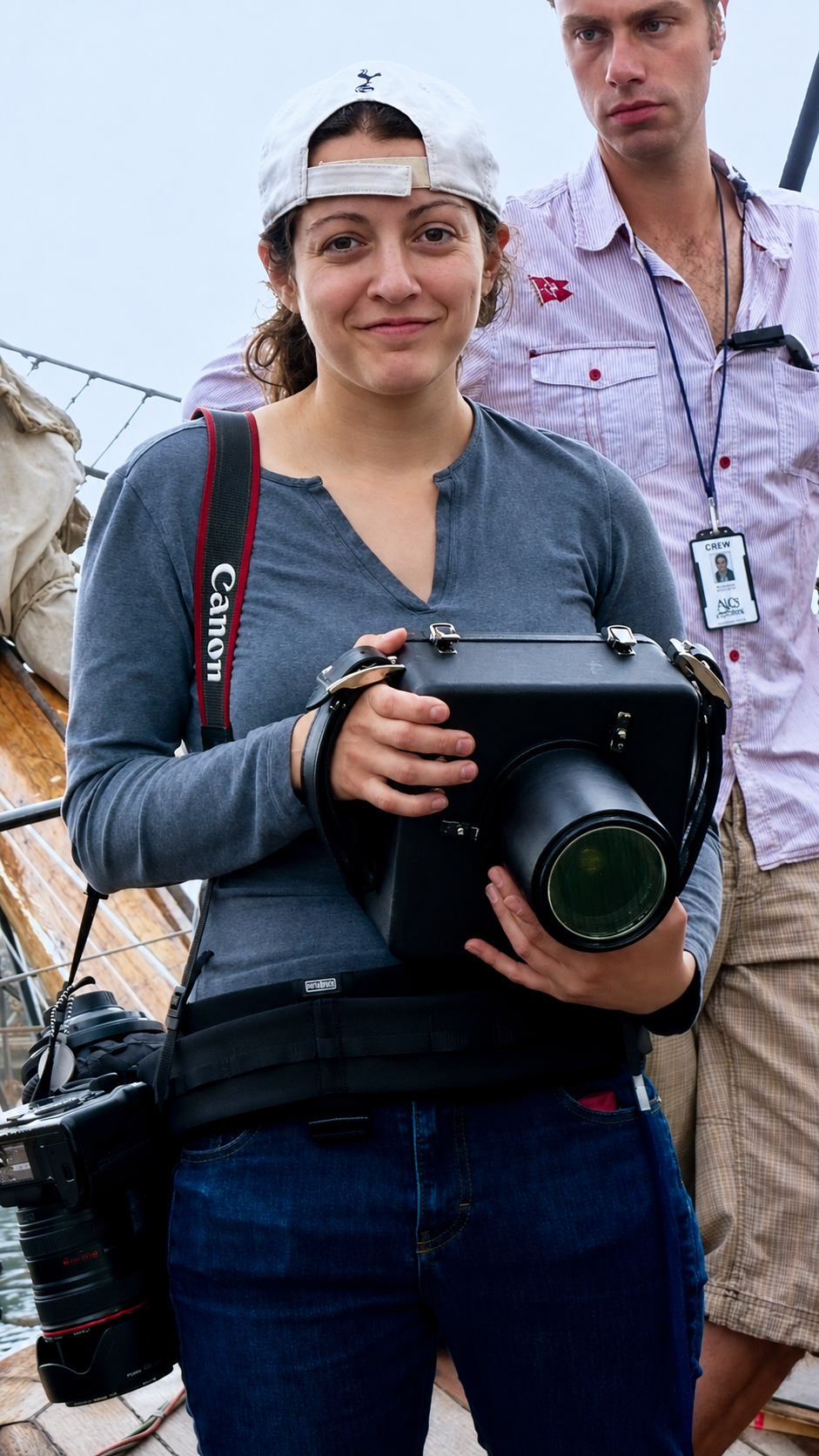
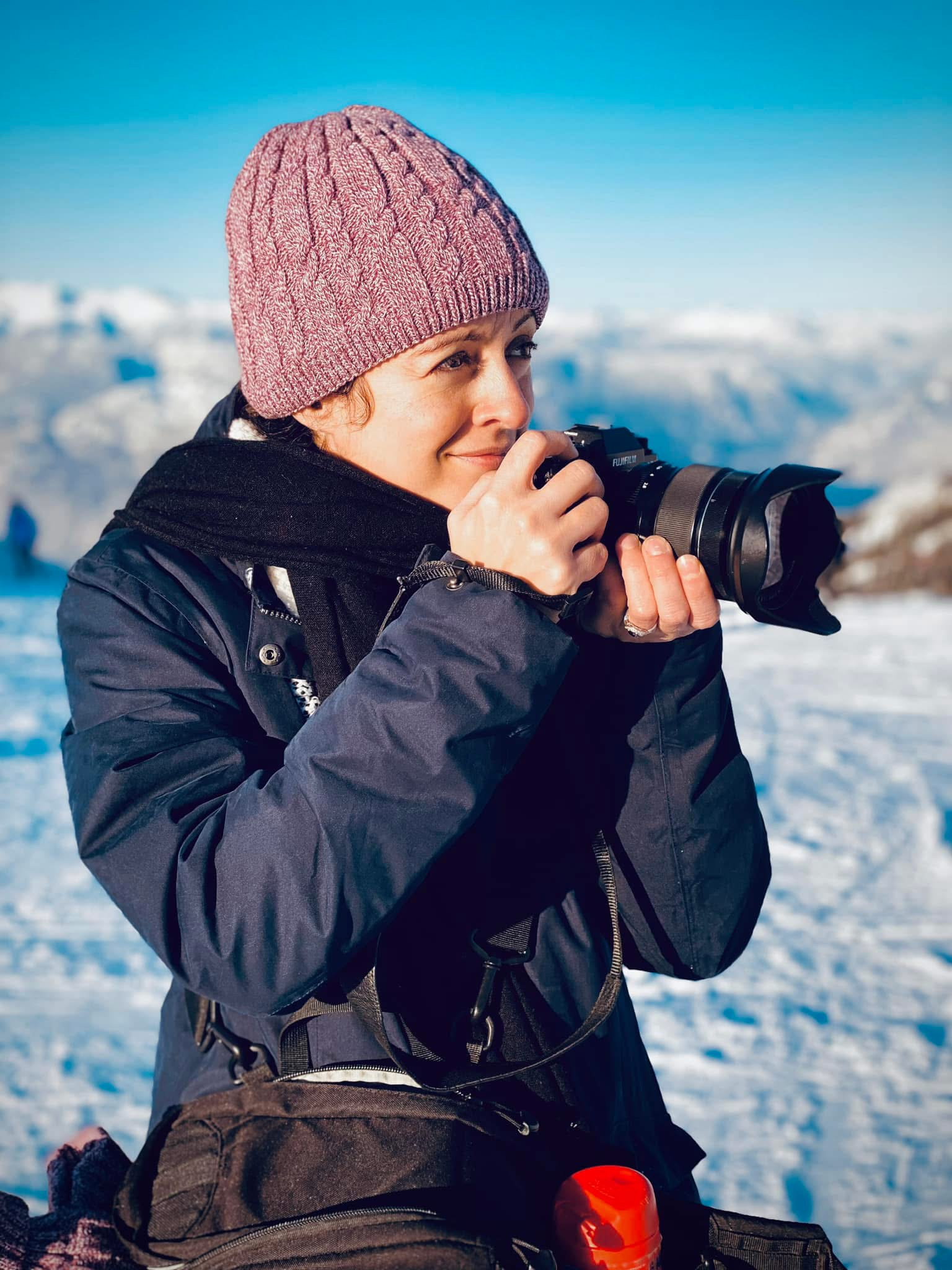
Leah is an exceptional writer and photographer, and it’s continually inspiring to watch the work she creates. Whether it’s the books and writing projects she’s involved with or her remarkable still photography, she approaches everything with thoughtfulness, artistry, and authenticity. I’ve loved seeing her recent work on projects such as Woman of the Hour, Tron: Ares, Eternity, and the upcoming The Social Reckoning.
We’re also collaborating on a feature-length werewolf project based on one of Leah’s original concepts. It blends folklore, family, transformation, and identity – all set in contemporary London. We hope to carve out some time to explore that further soon.
Leah is often able to see things clearly when I’m too close to a project to recognize what’s working and what isn’t. Beyond the work itself, she’s helped me maintain perspective throughout the inevitable highs and lows of a creative career. Having someone who understands the journey, challenges you when necessary, and reminds you what truly matters is invaluable.
If readers aren’t familiar with her work, I highly recommend visiting her website at www.leahgallo.com.
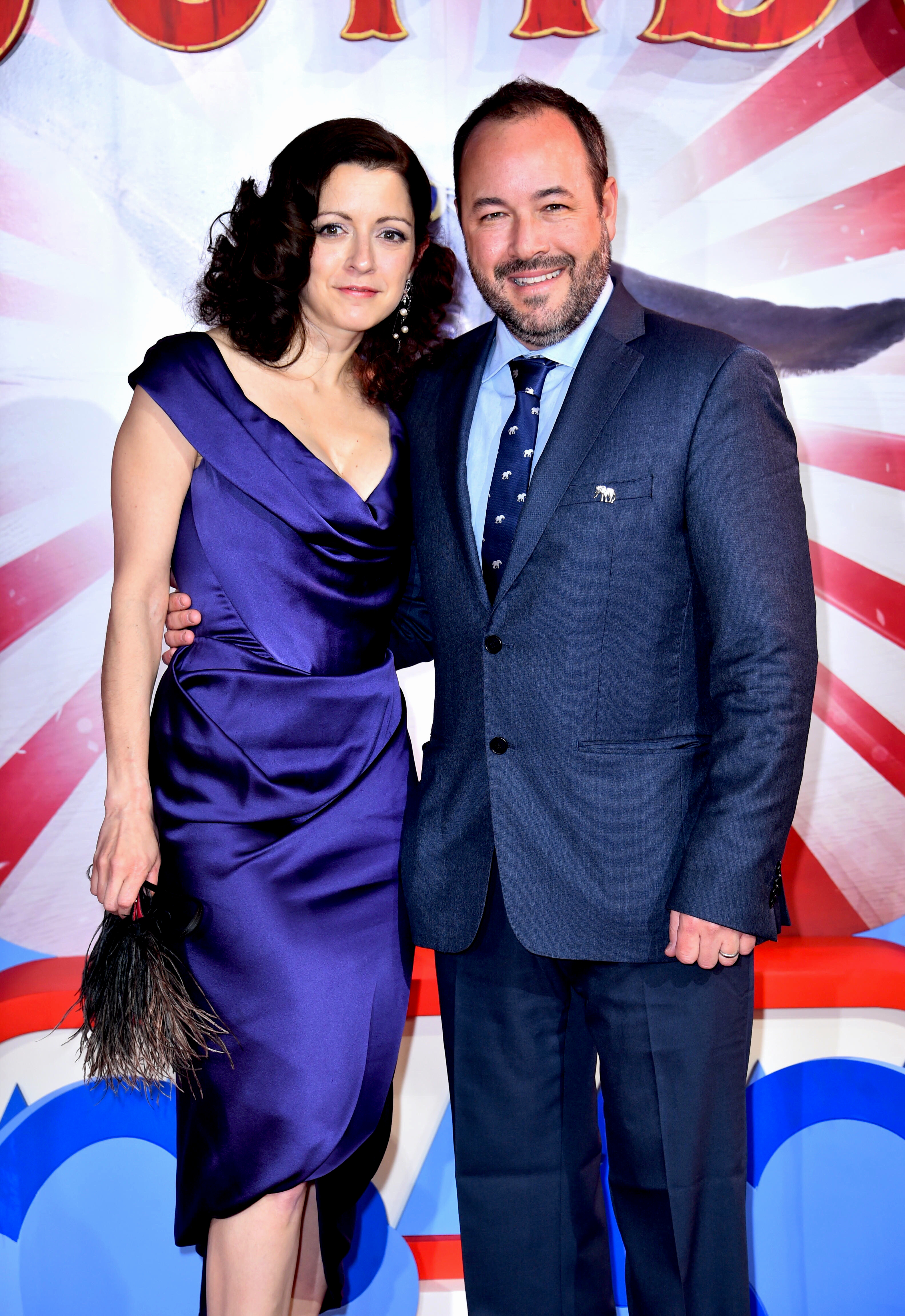
What would you say is the most important thing you have learned from all of your family members?
If there’s one lesson my family has taught me, it’s that life’s greatest value comes from the people we share it with.
I’ve been fortunate to have a career that’s taken me to incredible places and allowed me to work with some remarkably talented individuals, but the older I get, the more I realize that the moments I treasure most have very little to do with accomplishments or possessions. They’re the experiences, the memories, the conversations, the laughter, and the time spent with the people I love.
My family taught me that life isn’t really about reaching a particular destination. It’s about the journey. It’s about showing up for one another, creating memories together, and appreciating the moments that often seem ordinary at the time but become meaningful in hindsight.
That perspective has influenced every aspect of my life, including my creative work. Many of the stories I’m drawn to, regardless of genre, ultimately explore relationships, connection, and the experiences that shape who we become. Whether it’s friendship, family, love, loss, or discovery, those human connections are often what resonate most deeply with audiences because they’re what resonate most deeply with me.
Looking back, many of the lessons that have guided my career didn’t come from classrooms or movie sets. They came from everyday moments with family and friends. Those lessons tend to stay with you far longer, and I’ve come to appreciate just how valuable they really are.
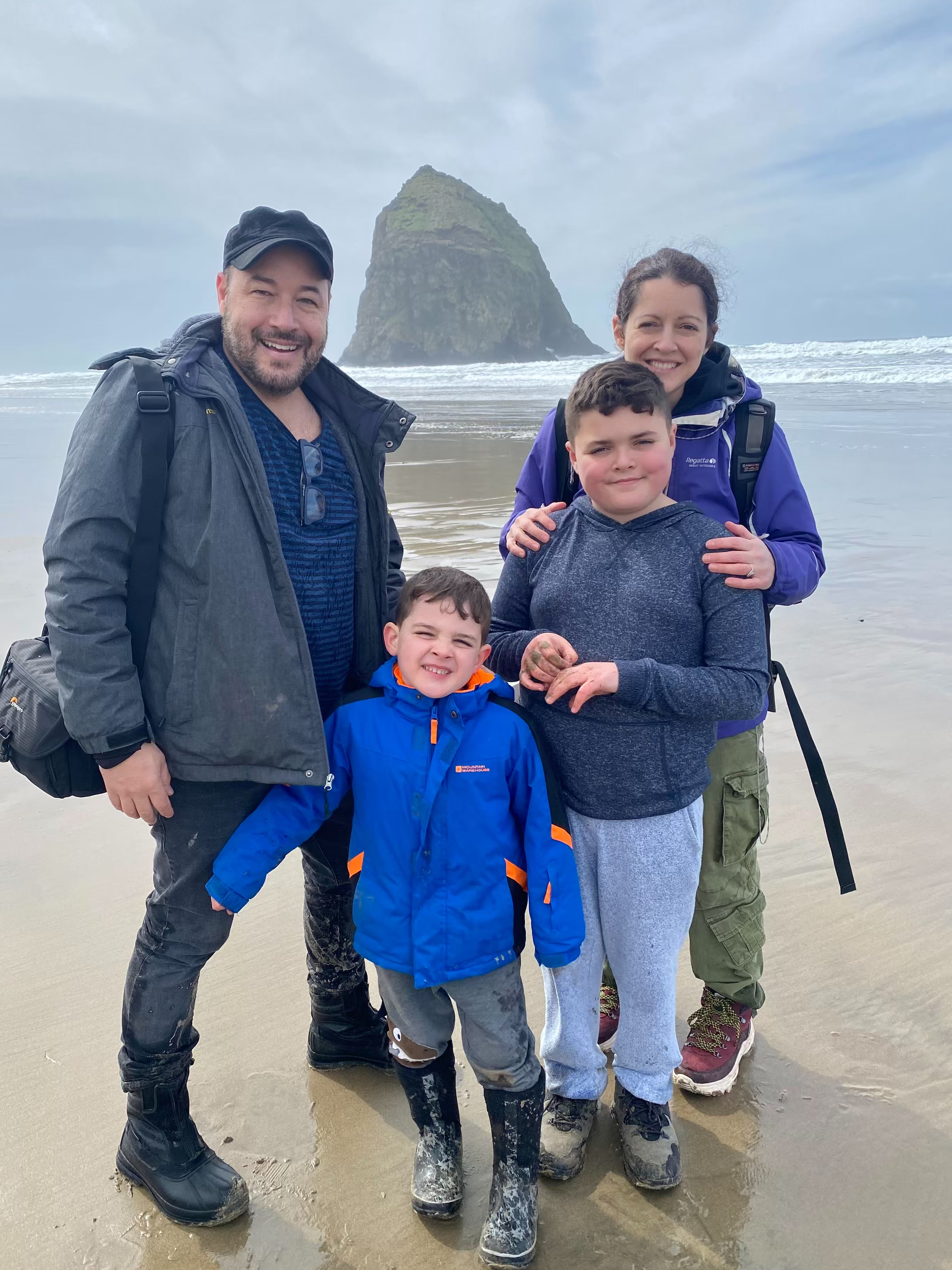
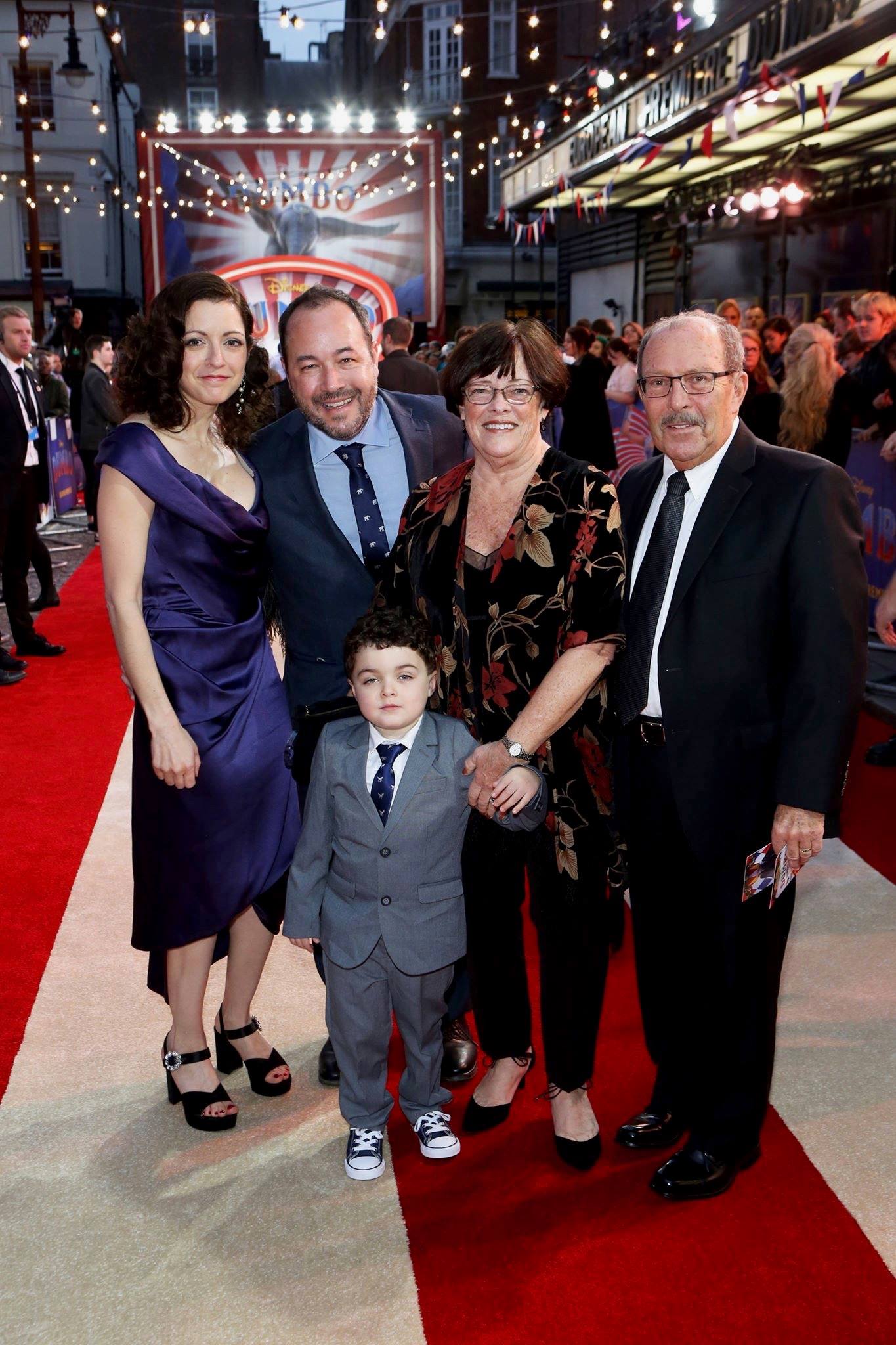
Looking back over your career up until this point, are there any particular moments in time that you hold most dear?
That’s a difficult question to answer because I feel fortunate to have spent my life through countless experiences doing something I love. Looking back, it’s less about identifying a single moment and more about appreciating a collection of experiences that together make up an incredible journey.
Every project becomes a chapter in your life. Each one carries its own memories, friendships, challenges, discoveries, and adventures. From making films with friends in college to working on large-scale studio productions, to continuing to create independent projects with The Minor Prophets decades later, I’ve been fortunate to accumulate more meaningful experiences than I ever could have imagined when I first picked up a camera.
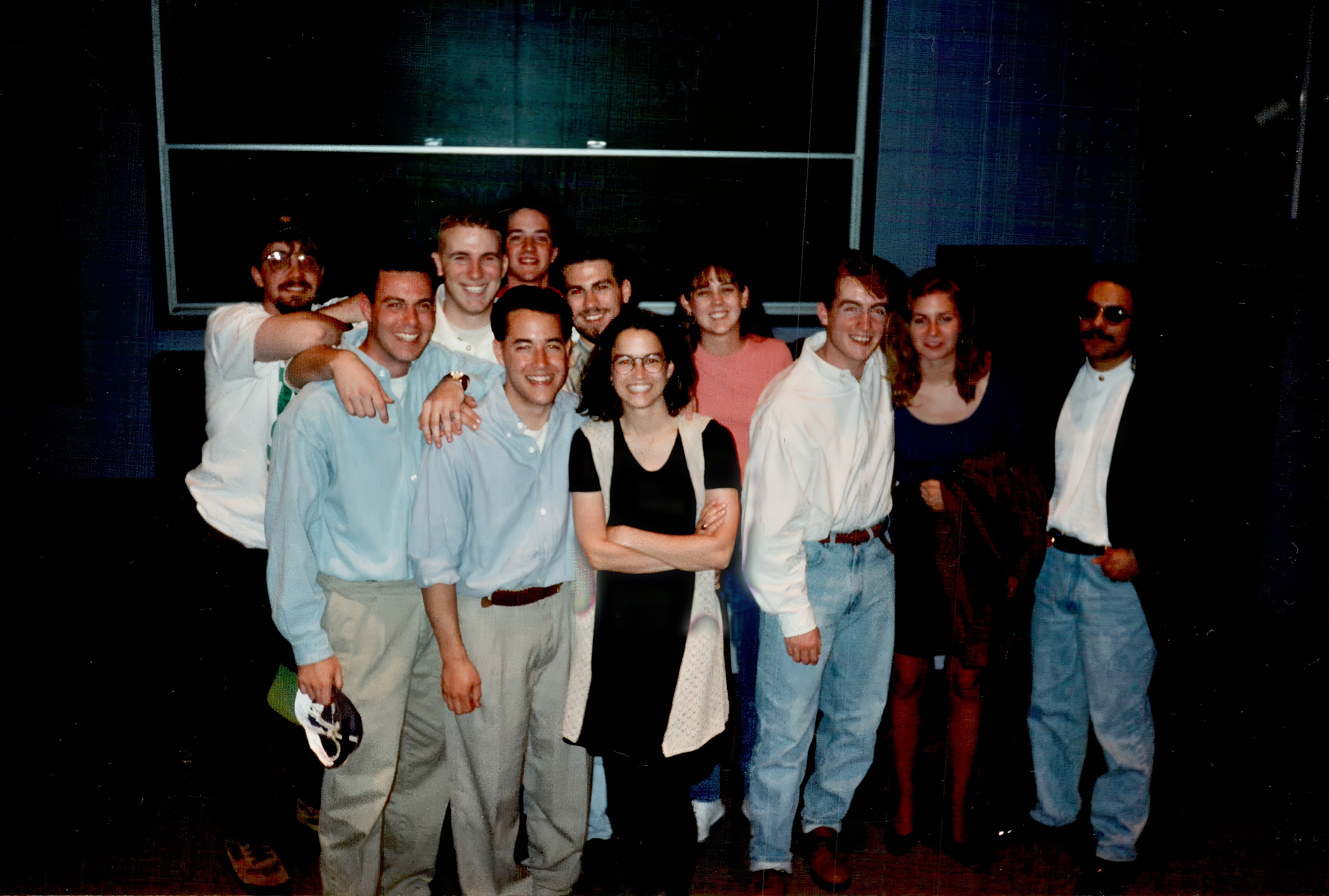
An initial career related memory I cherish is the premiere of my college horror film Verge of Darkness. The audience’s reaction was both exhilarating and deeply validating. Until that point, a career in filmmaking felt more like a dream than a plan. The response to that screening gave me the confidence to roll the dice, move to Los Angeles, and pursue filmmaking professionally. Looking back, it was one of the moments that set everything else in motion..
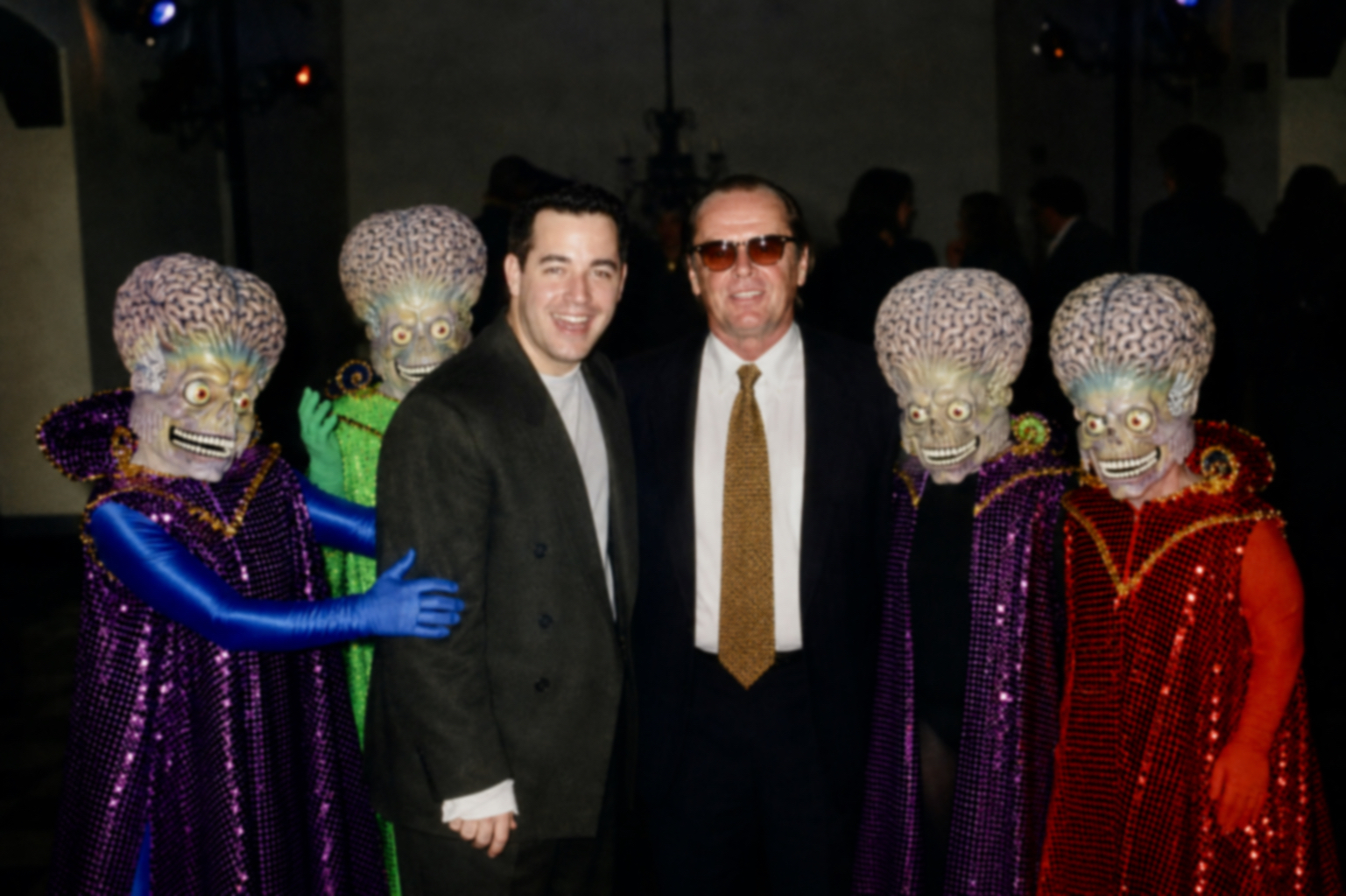
Beyond that walking onto a real film set for the first time on Mars Attacks! was unforgettable. It felt like stepping into another world and realizing that filmmaking wasn’t just a dream anymore. Just the cast list alone was jaw-dropping. So many of my celluloid heroes assembled on one film, including my favorite comedian, Martin Short, and my favorite actor, Jack Nicholson. I’m excited to celebrate the film’s 30th anniversary this December.
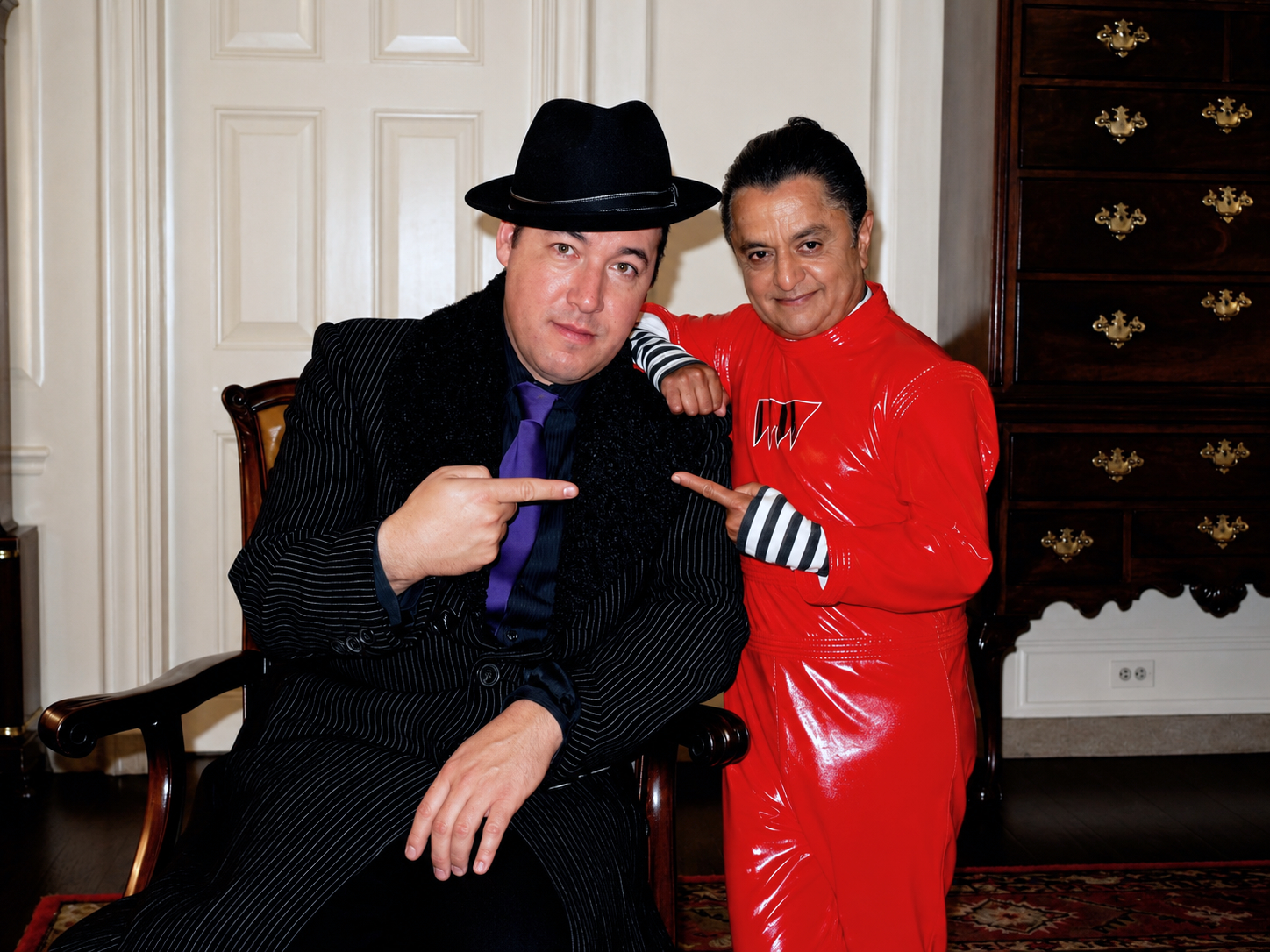
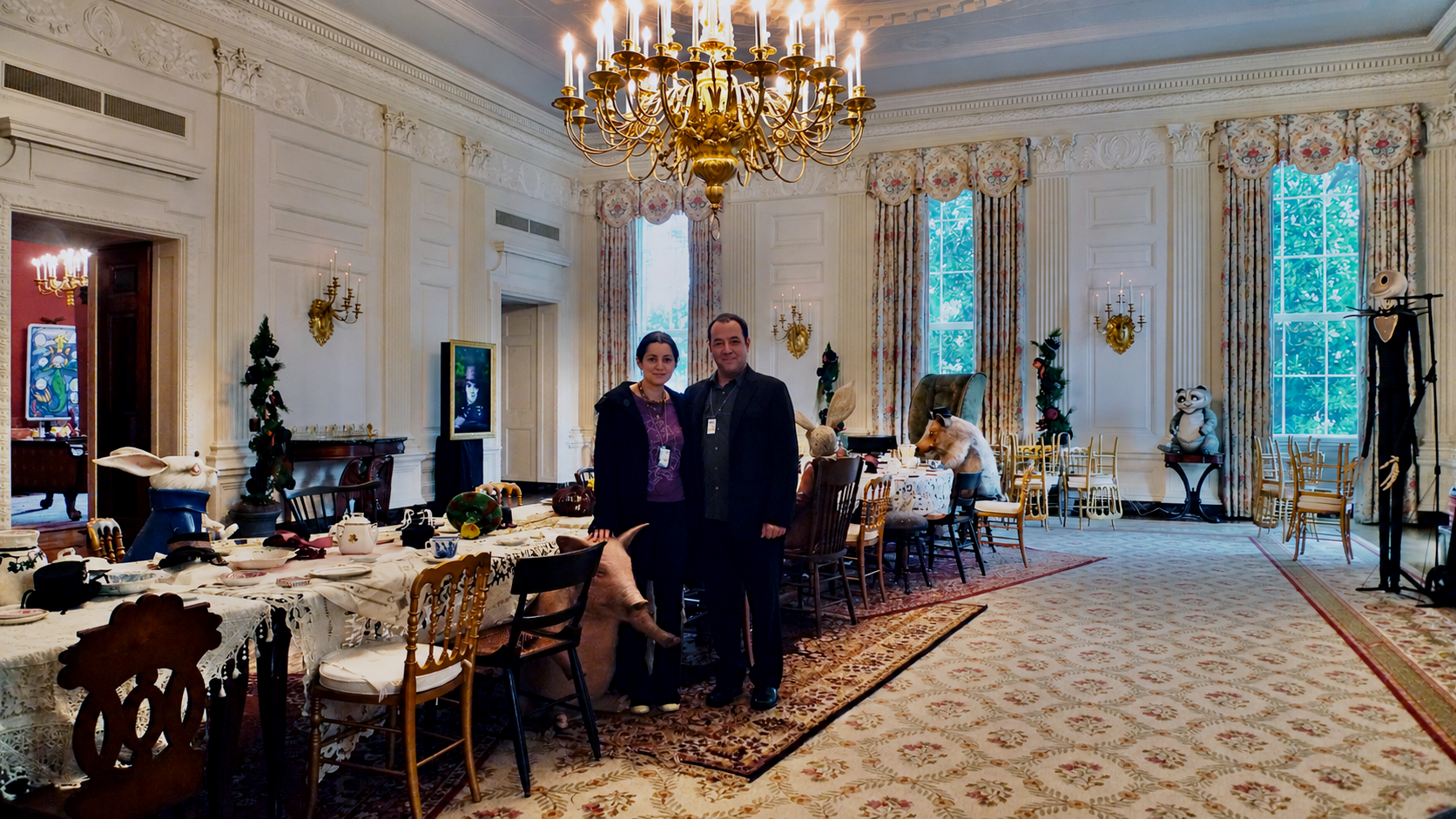
Another experience I’ll always cherish is helping organize, and attending, a White House Halloween celebration, for military children and their families, for the Obama administration. It was one of those surreal moments where you pause and realize just how unusual and unexpected this career can be.
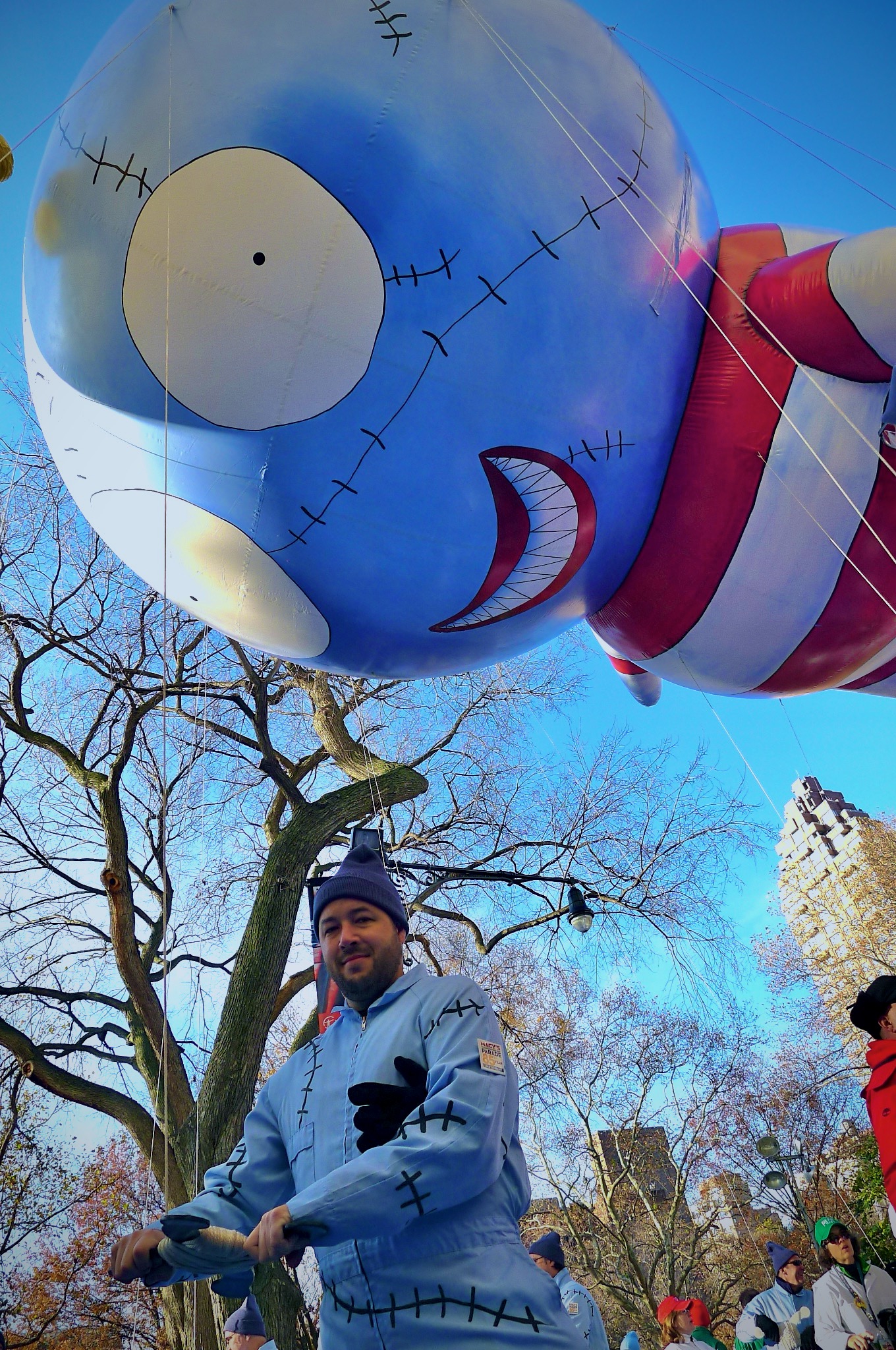
Right up there with that is serving as one of the balloon handlers for Tim Burton’s B. Boy in the Macy’s Thanksgiving Day Parade. It’s not every day you find yourself helping guide a giant Tim Burton character through the streets of Manhattan. It remains one of the more delightfully surreal entries on a list of experiences that often feels too strange to have actually happened.
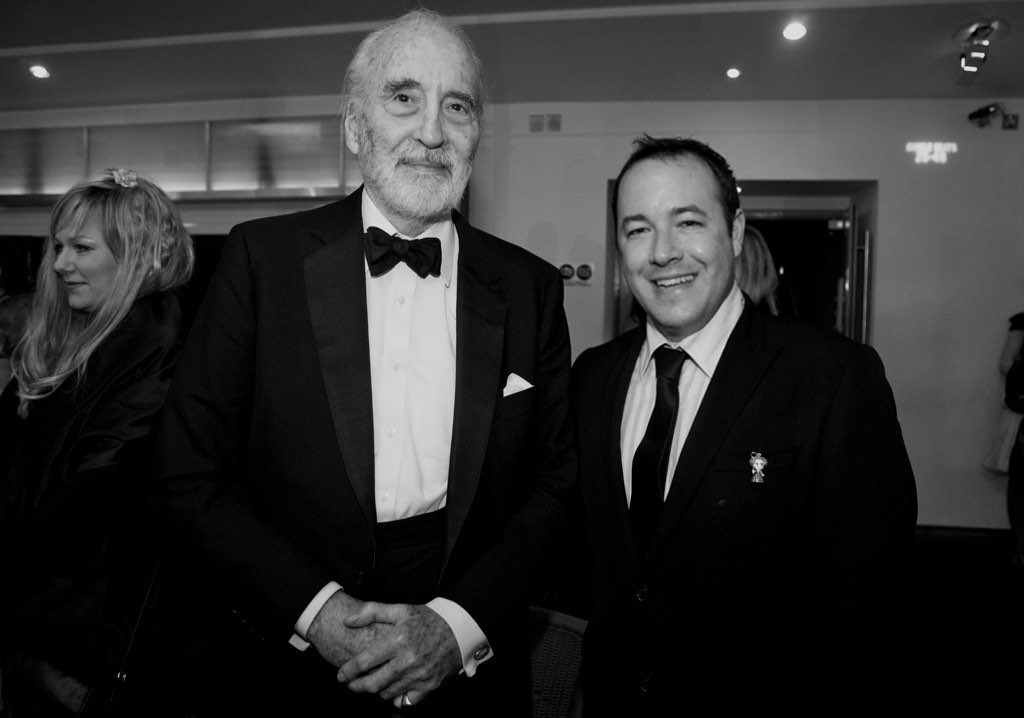
I’ve also been fortunate to meet and work with many of my creative heroes over the years. One of the great joys has been discovering that so many of them lived up to, and often exceeded, the admiration I had for them from afar. Those experiences have been deeply inspiring.
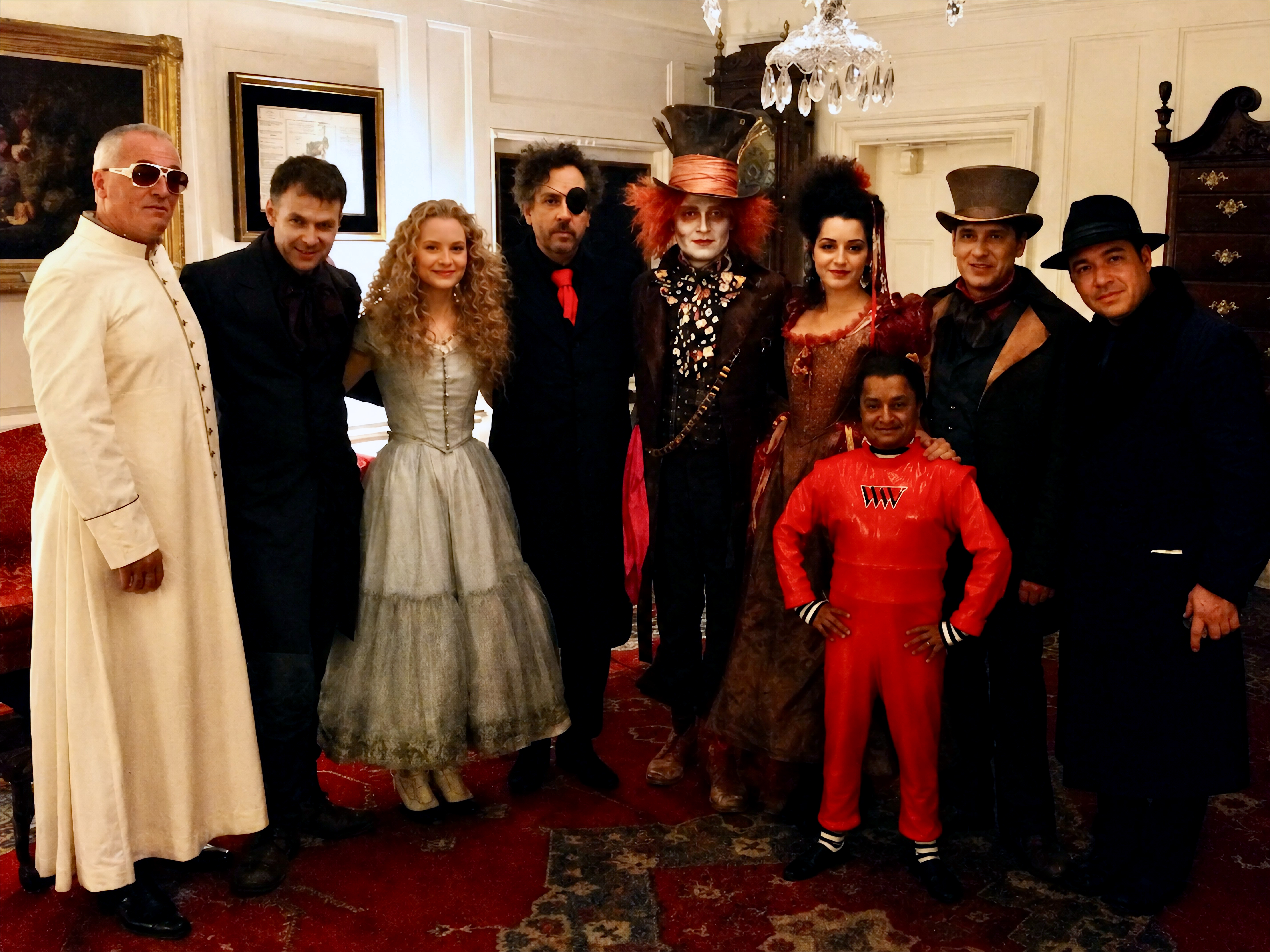
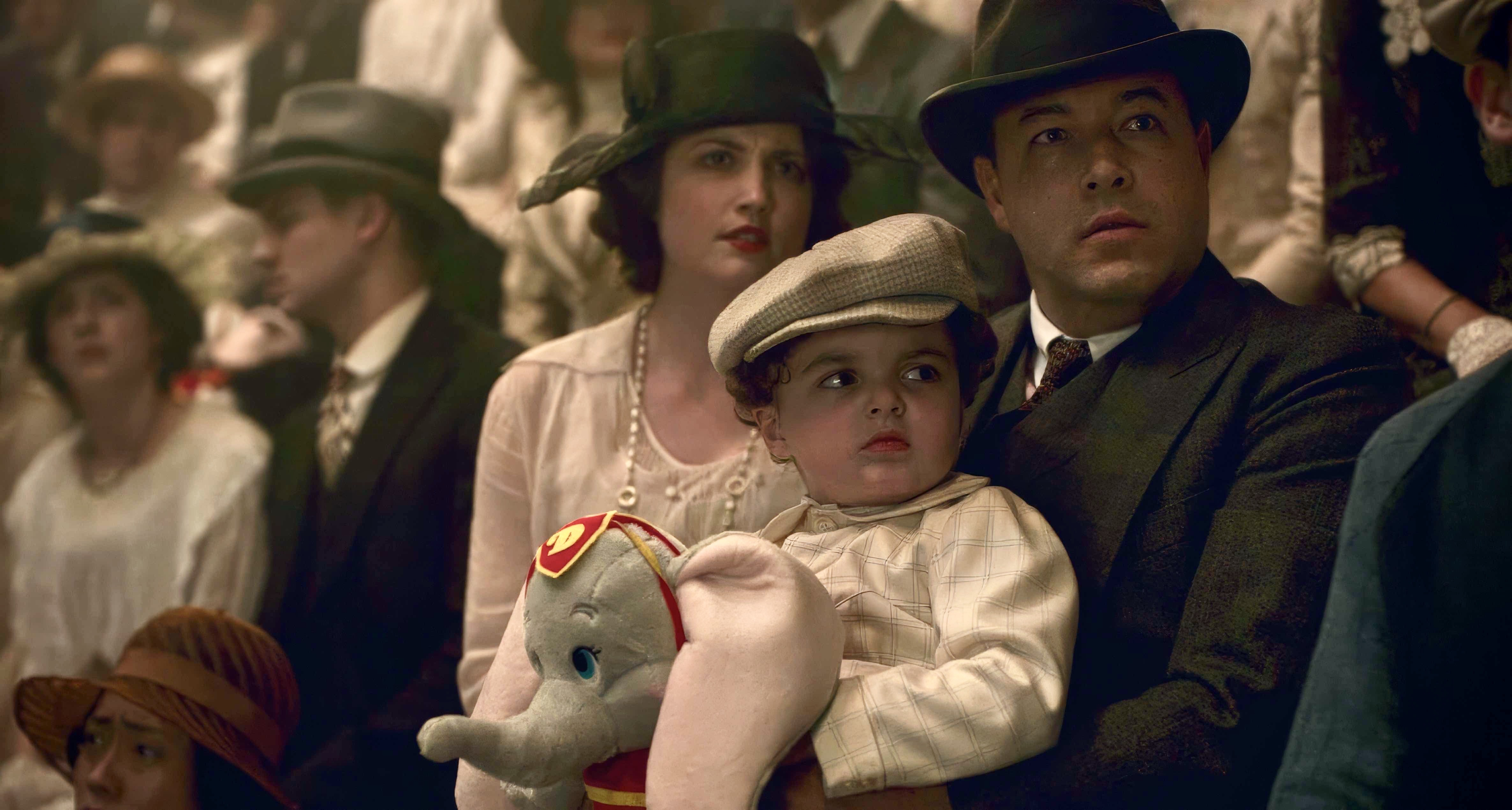
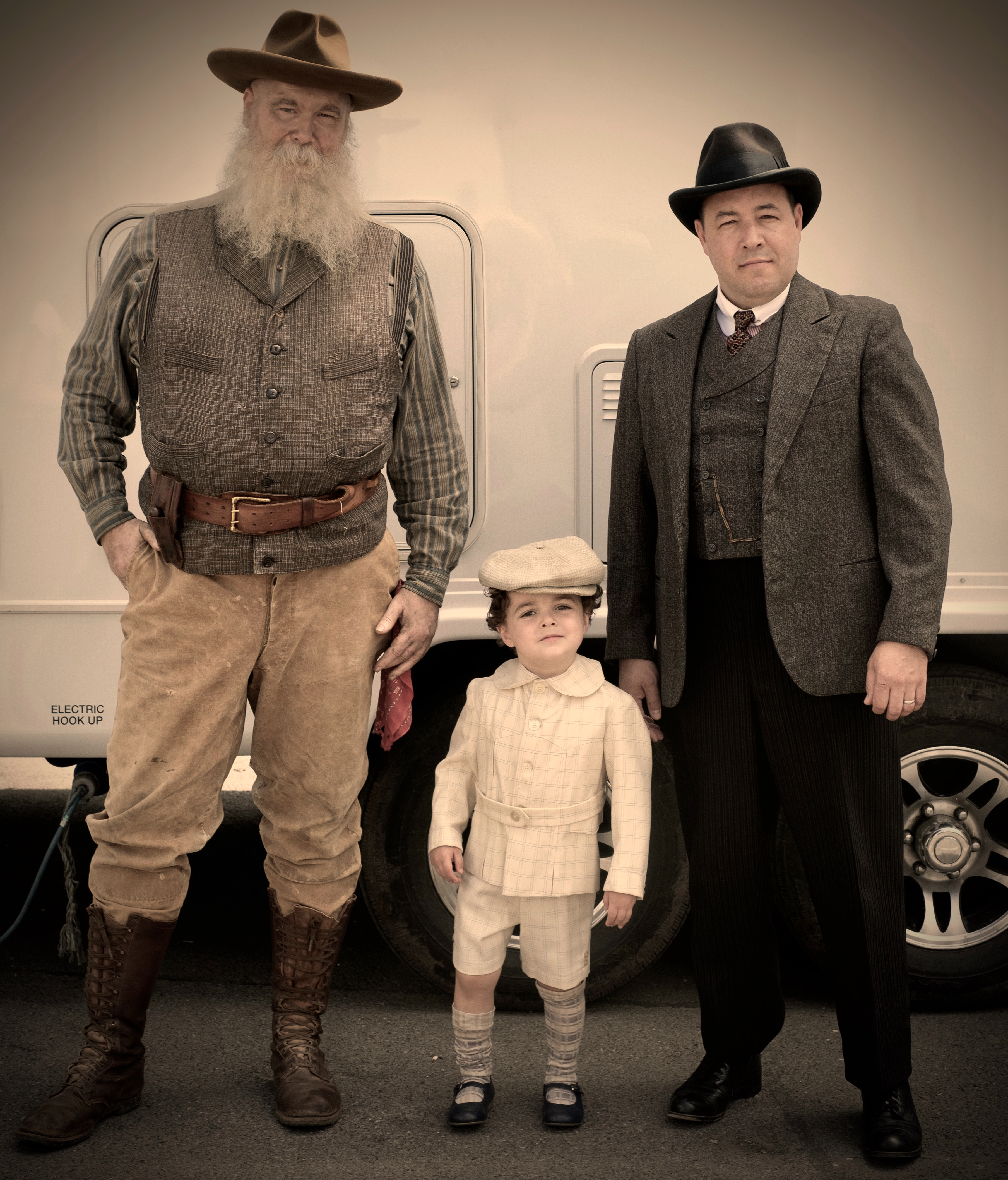
Much of my career has been intertwined with the extraordinary creative world of Tim Burton, and many of my favorite memories stem from the adventures we have shared over the years. The scale and ambition of Planet of the Apes. The warmth, heart, and imagination of Big Fish, including the surreal experience of stepping in front of the camera for a brief cameo. The meticulous artistry of Corpse Bride. The get your hands dirty approach to making the Here With Me music video for The Killers. Helping bring Tim Burton’s first major exhibition to the Museum of Modern Art. Watching Alice Cooper perform on the set of Dark Shadows. Attending the Academy Awards for the Oscar-nominated Frankenweenie. Appearing alongside my son in a small role in Dumbo.
Some of my most cherished memories come from spending time on the Big Island of Hawaii creating what I affectionately call “micro epics” like Green Lake, Mr. Quiet for Technical Difficulties, and Pangea for Trever Veilleux/Professor T and the East Side Shredders. Those projects brought together an incredible community of local artists, musicians, performers, and filmmakers, all creating simply for the love of it.
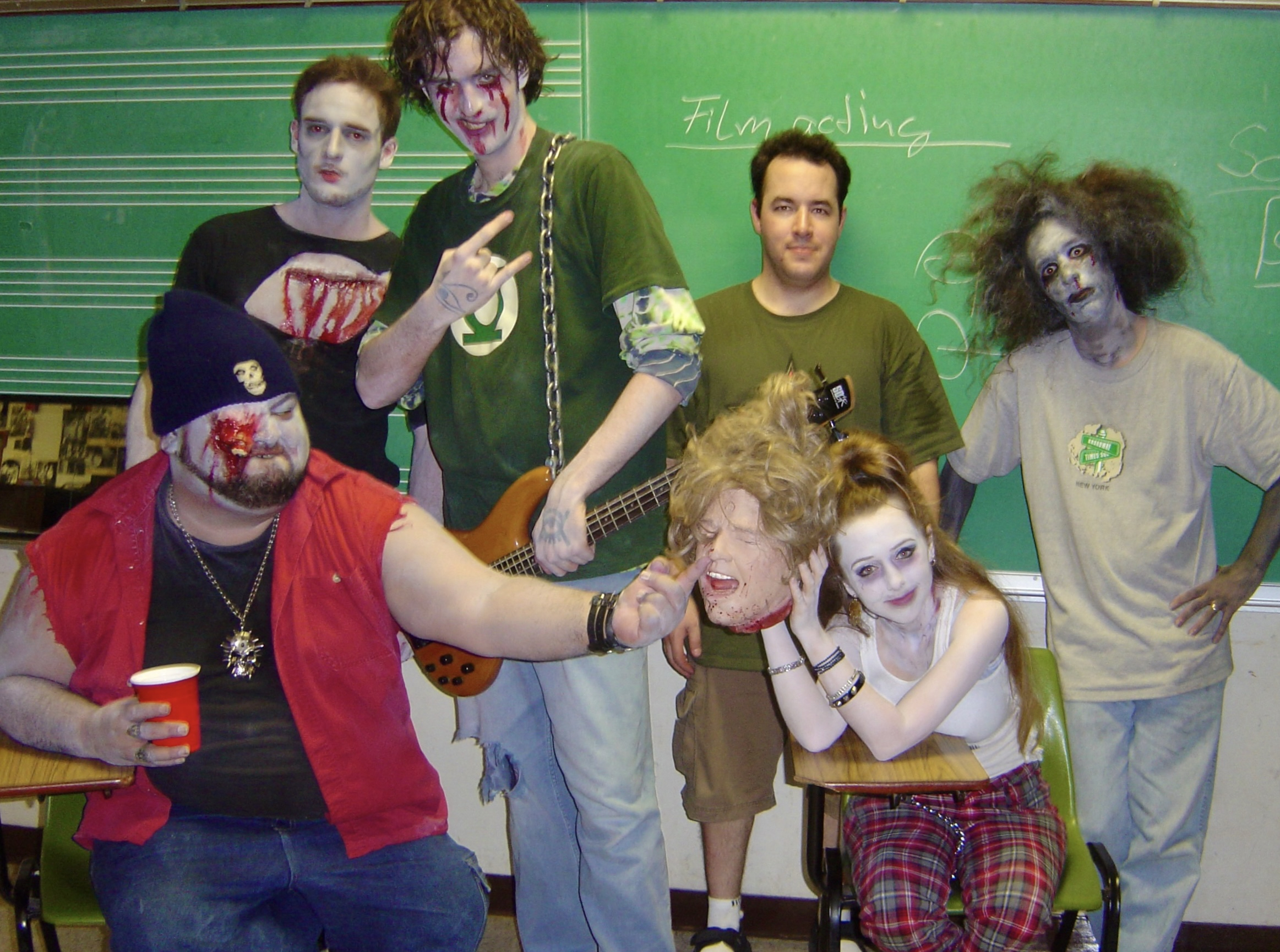
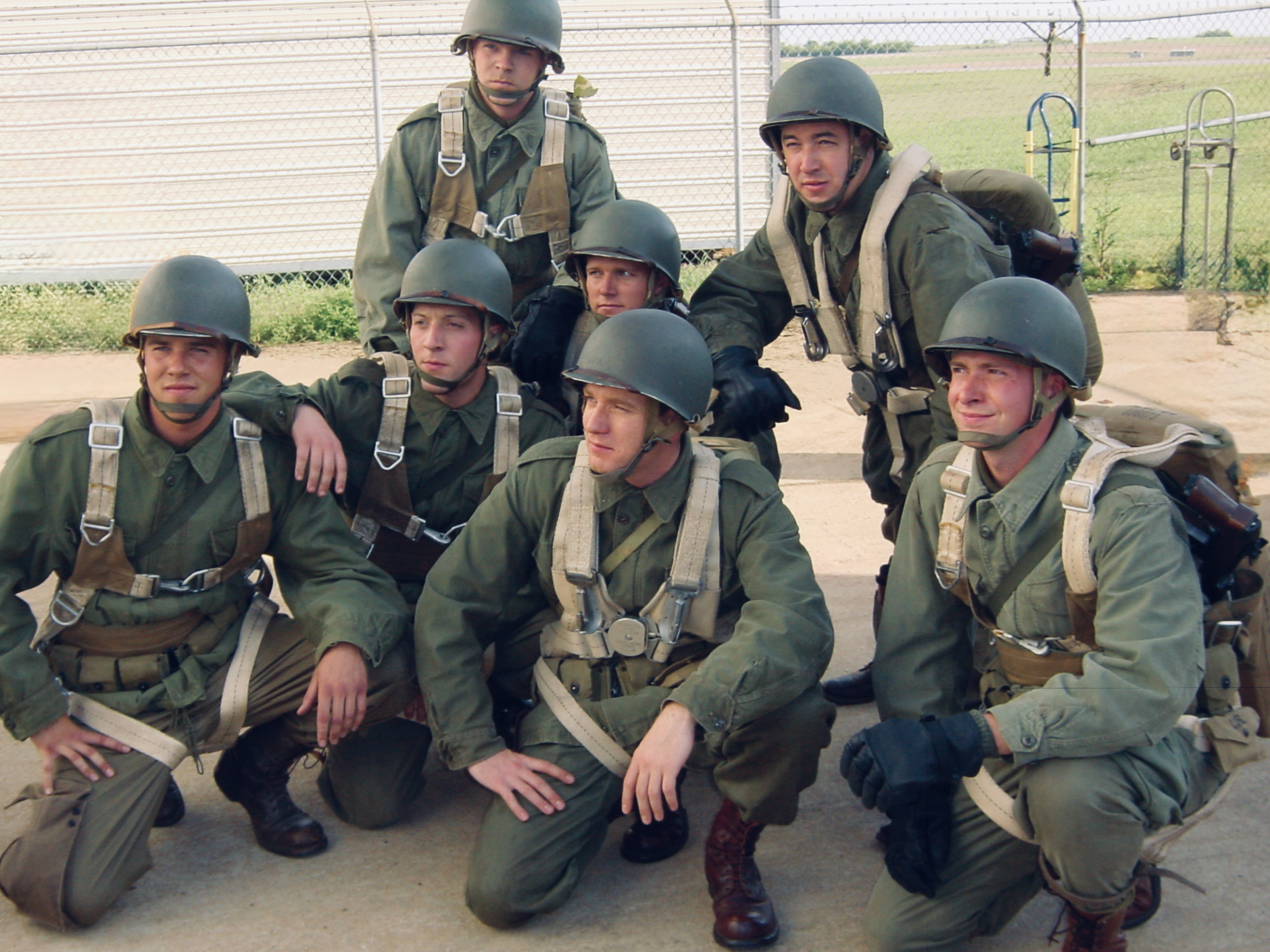
What I remember most are the friendships, the adventures, and the creative spirit that fueled those productions. Hawaii, together with my friends there, is my wellspring of creative renewal. Green Lake is especially meaningful because the film captured a remarkable place before it was completely wiped out by the 2018 Kilauea eruption. Looking back, there’s something bittersweet about realizing we preserved a small piece of a landscape that no longer exists in the same way today.
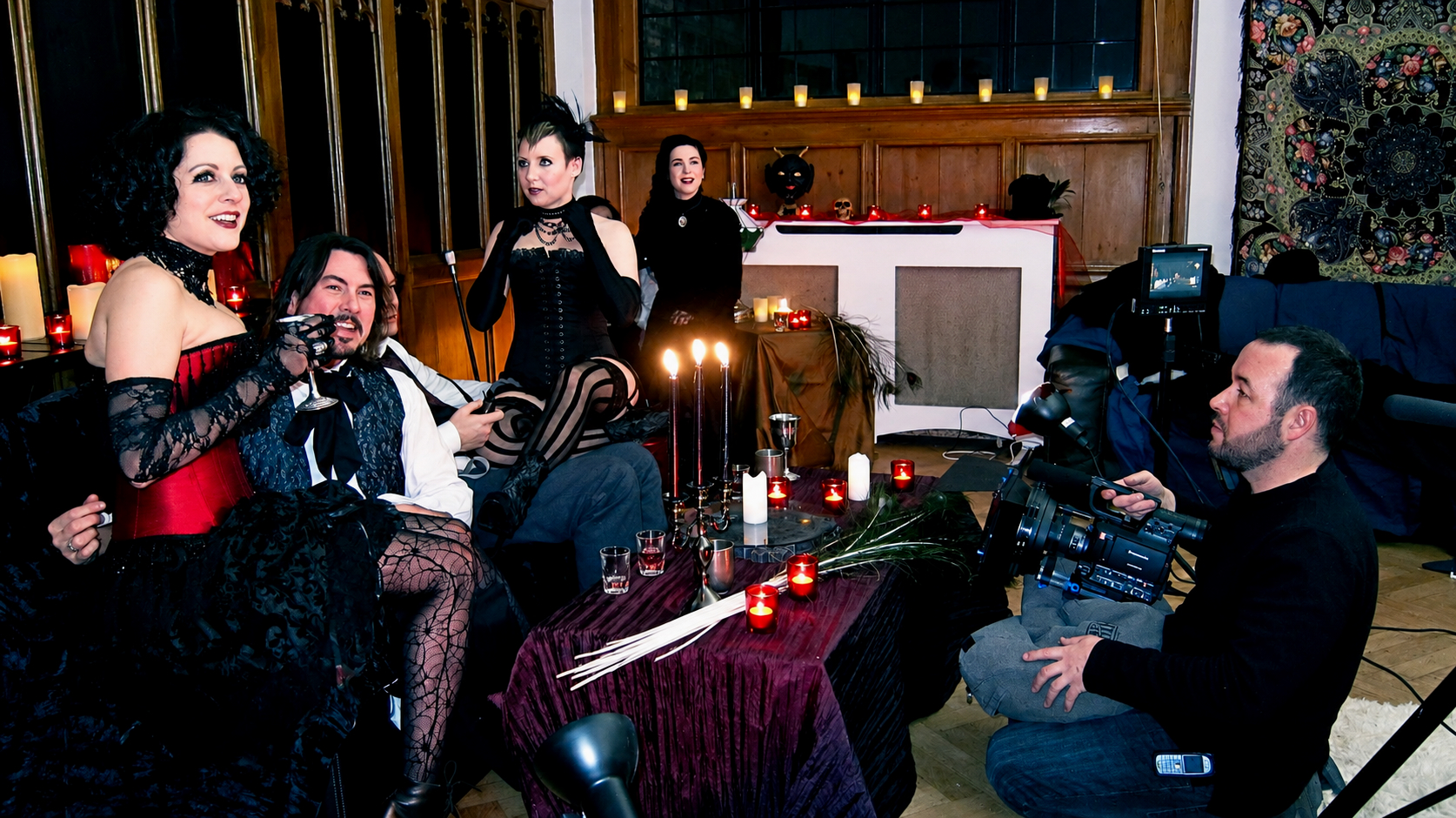
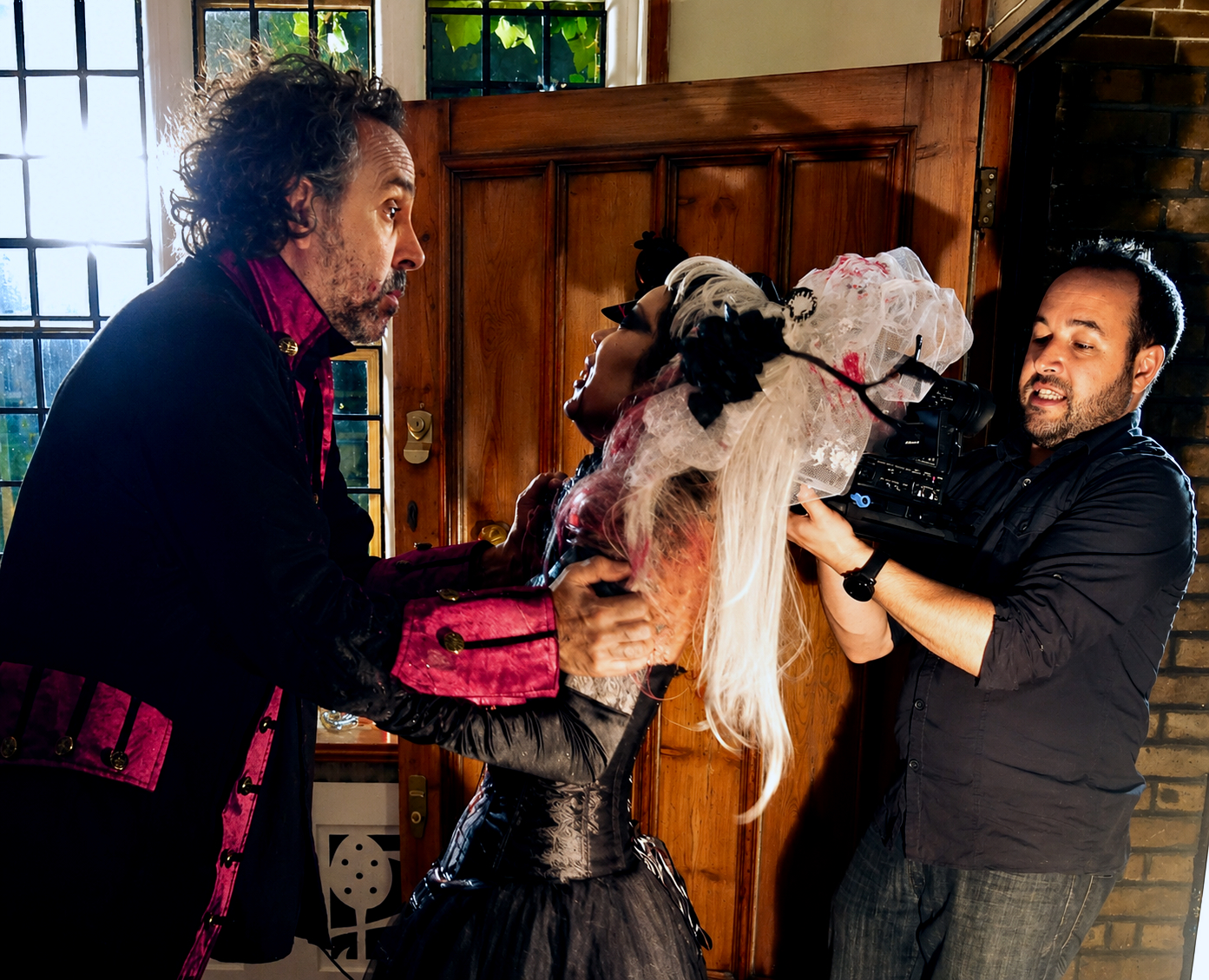
Along those same lines in London, another cherished memory is creating the Vampire’s Kiss and Blood Inside, music videos for The Witching Hour. It was my love letter to Hammer Horror, filmed inside the extraordinary gothic home built by (and still haunted by) legendary illustrator Arthur Rackham. The house seemed to breathe with history, mystery, and more than a few ghosts of imagination. Some might say it still does. Sharing that experience with friends and collaborators, while welcoming Tim Burton for a cameo as Van Helsing, made for one of the most delightfully eccentric adventures of my career. It was a complete blood-sucking blast.
What I’ve come to appreciate most is that none of these experiences exist in isolation. The films, the people, the places, the friendships, the long hours, the triumphs, the setbacks, and the unexpected adventures all become intertwined. When I look back I think of it as a collection of experiences shared with extraordinary people.
Fortunately, the story isn’t over yet!
What are your own personal feelings on the current state of the film industry? How do you think it has changed most since you first began your work in it?
The industry is going through one of the most significant transitions I’ve seen in my lifetime.
When I first started, filmmaking and distribution were controlled by a relatively small number of studios, networks, and gatekeepers. Today, technology has dramatically expanded access. More people than ever have the ability to create, produce, and share stories with audiences around the world.
At the same time, we’re experiencing enormous shifts in the way the business operates. Streaming has transformed viewing habits, globalization has expanded audiences, and the economics of production and distribution continue to evolve. We’ve also seen significant consolidation throughout the entertainment industry, with major studios, networks, and media companies merging into increasingly larger organizations.
One consequence of that consolidation is that there are often fewer buyers, fewer decision-makers, and fewer opportunities for unconventional voices to break through. While scale can create efficiencies, it can also make it more difficult for distinctive and original stories to find champions. I’ve always believed that a healthy industry depends on a diversity of voices, perspectives, and creative risks.
But, there are reasons for optimism. Younger audiences remain deeply engaged with storytelling, even if they consume it differently than previous generations. Whether through films, series, gaming, online creators, immersive experiences, or emerging forms of media, the appetite for compelling worlds, memorable characters, and meaningful stories remains incredibly strong. The platforms may change, but the desire to connect through stories appears as powerful as ever.
Despite the challenges, I’m optimistic. Storytelling has survived every technological and business disruption that’s come before it. The tools change, the platforms change, and the business models change, but audiences will always seek out compelling stories and meaningful, entertaining, human experiences.
What are your feelings on the emerging technological tools for visual storytelling? Are you excited to see how such things change the entertainment industry?
Absolutely.
Throughout the history of filmmaking, new tools have continually expanded what’s possible. Sound, color, digital cameras, computer-generated imagery, motion capture, virtual production, and countless other innovations have all opened doors for storytellers.
Recently, I attended the AI on the Lot conference at the Culver Studios. What struck me most was how many artists were using emerging technologies not to replace creativity, but to enhance it. I met filmmakers creating concepts, visual worlds, and prototypes that would have required enormous resources only a few years ago.
What excites me most is accessibility. We’re entering a period where independent creators and small teams may be able to realize ideas that previously required the support of large studios or substantial budgets. That’s incredibly empowering and has the potential to create opportunities for voices that might otherwise never be heard.
As someone who works across independent film, animation, and studio productions, I find that particularly exciting. Great ideas can come from anywhere. The more tools we place in the hands of creative people, the more opportunities we create for unexpected stories and new voices to emerge.
Of course, every technological leap comes with new challenges and questions, but I’m fascinated by the possibilities. As long as the technology remains in service of the story, I believe these tools can help unlock new forms of creativity and visual expression.
What are your personal feelings on the use of AI in creative works?
I view AI as a tool, not a replacement for creativity.
At AI on the Lot, I saw tremendous enthusiasm, but I also saw thoughtful conversations about ethics, authorship, intellectual property, employment, and artistic responsibility. Those conversations are important and necessary, and I believe the industry has an obligation to approach this technology thoughtfully.
What interests me most is how AI can help creators overcome technical barriers and spend more time focusing on storytelling. For independent filmmakers especially, these tools have the potential to open doors that simply didn’t exist before. They can help artists visualize ideas, experiment more freely, and bring ambitious concepts to life with fewer limitations.
That said, I don’t believe technology replaces human experience. Great stories come from observation, empathy, humor, heartbreak, curiosity, imagination, and the unique perspectives we develop throughout our lives. Those qualities remain fundamentally human.
We’re still very much in the Wild West phase of this technology. The tools are evolving rapidly, while the standards, regulations, and ethical frameworks are still catching up. I think it’s important that we take the time to build those frameworks responsibly, ensuring that innovation moves forward in a way that respects artists, creators, audiences, and the creative process itself.
The future isn’t humans versus AI. It’s humans using AI thoughtfully to create stories that remain fundamentally human.
How are you hoping to see the industry change and evolve in the years ahead?
I’d love to see greater support for originality, creative risk-taking, and diverse voices.
Some of my favorite films exist because someone took a chance on an unusual idea. Whether it’s an independent film, an animated feature, a genre project, or a story that doesn’t fit neatly into a predefined category, many of the most memorable works are the result of someone believing in a unique vision.
I’d also like to see a healthier ecosystem for independent filmmaking, animation, and mid-budget storytelling. Those spaces have historically produced some of the most innovative and influential work in the industry, yet they’re often the most vulnerable during periods of economic uncertainty and consolidation.
What’s particularly encouraging is that younger audiences seem increasingly open to discovering stories in many different forms. They’re embracing film, television, gaming, online creators, interactive experiences, and entirely new forms of storytelling that didn’t exist when I entered the industry. Rather than viewing that as a threat, I see it as an opportunity. The demand for imaginative worlds and compelling narratives remains strong.
I’m hopeful that emerging technologies will help democratize parts of the filmmaking process, allowing more creators to bring their ideas to life. At the same time’s it’s vital that innovation expands opportunities rather than narrowing them. The goal shouldn’t be to create fewer voices. It should be to empower more voices.
Ultimately, I’d like to see an industry that embraces the future while continuing to value the artists, craftspeople, and storytellers whose work gives these tools meaning. Technology will evolve, platforms will evolve, and audience habits will evolve, but the need for imagination, empathy, originality, and human connection will remain at the heart of great storytelling.
How would you like to see the world in general change most before your time here is done?
I’d like to see a little more empathy and curiosity.
We live in an incredibly connected world, yet sometimes it feels as though we’re becoming less connected to one another as people. I think storytelling has always been one of the ways we learn to understand perspectives beyond our own.
I’d love to see a world that values creativity, education, thoughtful conversation, and compassion. The challenges we face are significant, but so is our capacity for imagination and cooperation.
If we can become a little kinder and a little more curious about one another, that would be a meaningful step forward.
Is there anything you’d like to say in closing?
First and foremost, thank you, Tina, for the opportunity. It’s been a pleasure to step away from the daily grind for a moment and reflect on the people, projects, adventures, and experiences that have shaped my life and career.
More than anything, this conversation has reminded me how fortunate I’ve been. I’ve had the opportunity to work with remarkable artists, collaborators, mentors, friends, and family members while doing something I genuinely love. Every project, whether large or small, has become a chapter filled with memories that I’ll carry with me for the rest of my life.
What excites me most is that there are still stories left to tell, new creative frontiers to explore, and hopefully many more adventures ahead. The tools may change. The industry may change. But the desire to tell stories and connect with people remains the same.
For that, and for the journey so far, I’m incredibly grateful.
To keep up on my latest, be sure to visit: www.derekfreyfilms.com

