An Interview with Katarzyna Wieczorek

198356_433998793331399_701020350_n

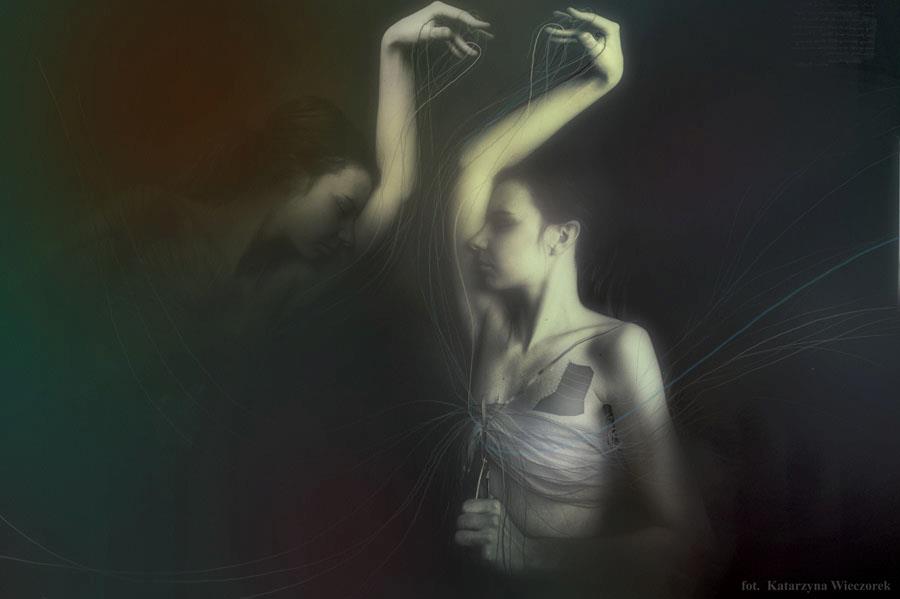
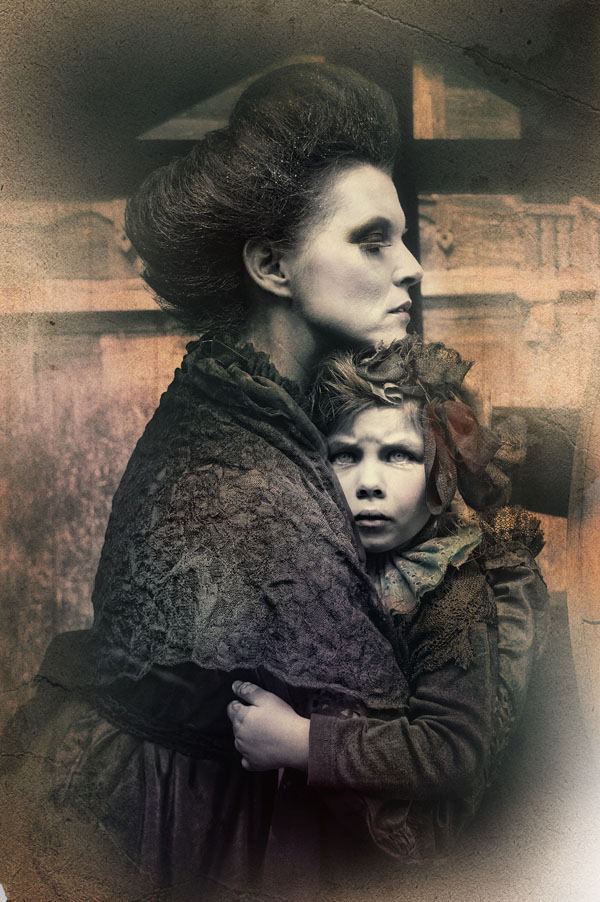
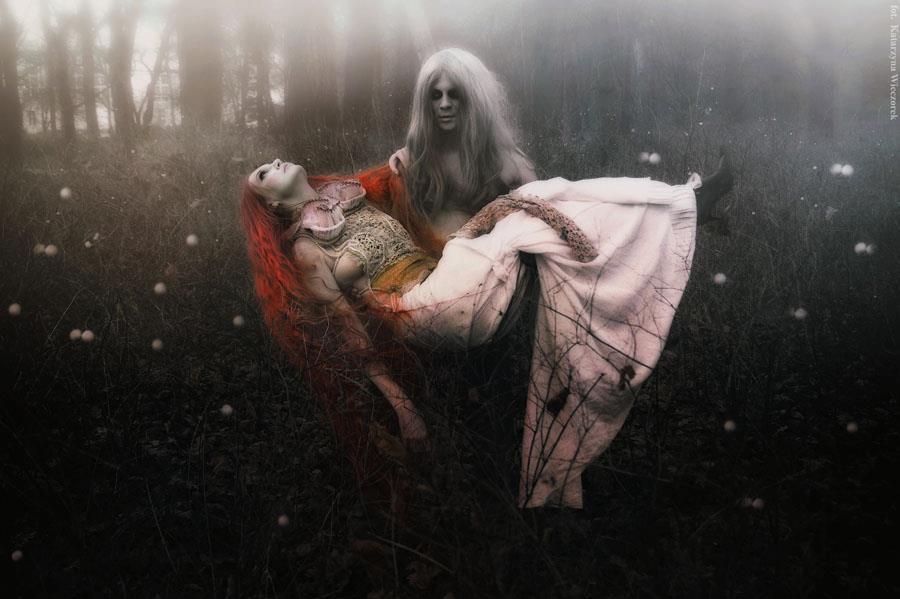
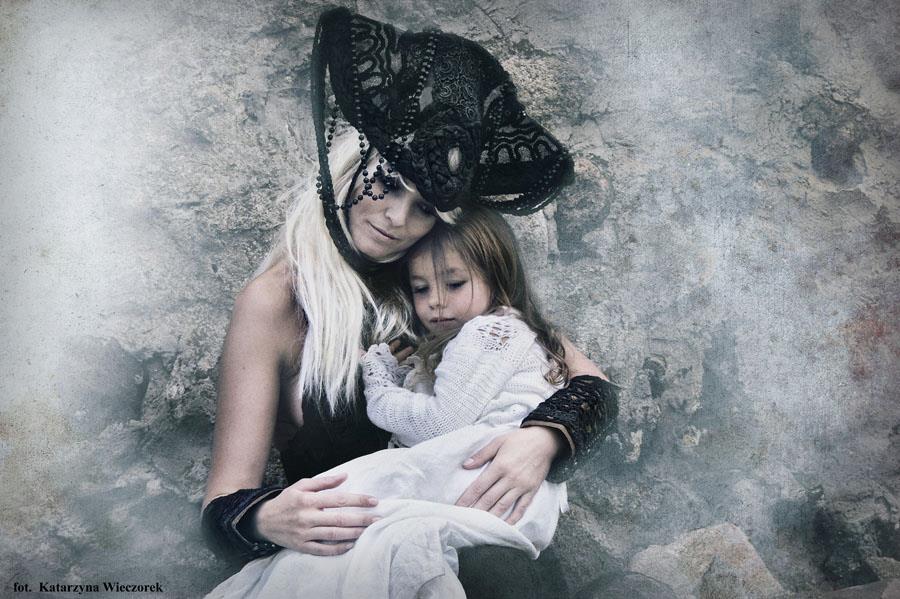
Katarzyna Wieczorek is an artist from Poland. She loves creating surrealistic, magical worlds infiltrated with charm. The mood of her photos affects the senses in a way a good movie or an amazing theatrical play does. Katarzyna likes to direct stories full of passion, ambience and secret.

What did you love most about growing up in Poland? What are some of your fondest memories from that time?

I remember spending the summer with my grandmother in the country. I was just a little girl at that time. All day I used to play with animals. I would run, jump, climb trees and I was very happy then. In Poland, where I grew up, there are peculiar customs and mentality. Religion and religious ceremonies are very important. I have soaked up with this culture and in my art there are many Slavic references, with rural and magical influences.In my country there are beautiful mountains. I would love to do my future shoots there. They give me the feeling of utter freedom.

3814_458288590902419_1676730709_n

Did you have a love for fantastically creative things from an early age?

Yes, I’ve had an extremely creative imagination since my childhood days. I used to like the fairy tales of Andersen and Grimm. Later on, I liked watching David Lynch’s TV series Twin Peaks . It made me tremble but I just couldn’t stop watching. I have always been pulled towards magic and fantasy. When I was a student at primary school I used to like walking in the cemetery without anyone around. It may sound strange but I liked it. As for music, I’ve liked heavy music since my childhood. Yes it is true, I sometimes think I am out of this world.

When did you first realize you wanted to be a photographer?

I’ve always liked looking at photos and then I’d cut out photos of stars, actors, musicians, and models from newspapers and hang them on the walls in my room.
Ever since I can remember I’ve always loved painting images and taking photos. I started with black and white film and darkroom techniques. Later, I started creating graphic manipulations and connecting them with painting.

71540_456561851075093_994597080_n

304692_396321083765837_1854453_n
Who are some of your influences?

I love the paintings of Zdzislaw Beksinski. His visions are unusual and full of symbolism. He had an ethereal style. In his art he established death as the theme and created masterpieces.I generally like surrealists. Their visions were often grotesque, from the borders of reality, dream, fantasy, and hallucination, while dismissing rationalism. It is a riot against classicism, realism, and rationalism in the conventions of art. I like that.

What is the first thing you need to learn if you want to be a professional photographer?

Photographers have many faces. Some want to take wedding photos or become a reporter. I build my visions with painting and graphics. I think that a professional photographer should have an original style and use photographic equipment and software with ease.Those are important but the essential thing is imagination and talent. Without them professionalism will not help much. Oh…and let’s not forget luck.

557061_415938765137402_1492515174_n

How do you like to operate when you are working on your trade?

I love listening to music. It inspires me to see visions of magic and surrealistic worlds. When I create my art, it feels like seeing myself from a bird’s-eye perspective and this gives me a better overview.

Do you find an active imagination comes in handy in your line of work?

I never stop imagining. I have creative ideas all the time, but when I’m on a photo shoot, I work according to a plan. Sometimes, I just come up with new concepts while working.

554329_363699400361339_1890814312_n

You work with your daughter Laura quite often. Does she enjoy getting to take part in your projects?

Laura is a very courageous young lady. She loves to partake in my projects. She behaves like a professional model. Laura has a vast spectrum of facial expressions and in my photos you can see her natural-born acting abilities. She is very photogenic and I have included her in many different roles. People love to work with her and she loves working with her mum.

How did becoming a mother change your outlook on life in general?

Surely I am not like most other mothers because I like creating art more than for example…cooking. When I came to be a mother I had to become more responsible but inside I am still the same girl, who loves freedom, art and summer.

398836_365980760133203_1131461648_n

As a mother yourself what do you think is the most important thing a could tell her child in regards to self esteem and such?

A mother should develop self-esteem in her children and be their friend. She should talk to them sincerely and never lie. She should also be a positive person herself, because a happy mother makes for happy children. She should try to set a good example and behave well, because children learn life in their family household first.Balance is the most important…balance between home and passions or career.

Can you tell us a little about how you work alongside your models?

Various well-known artists often get in touch with me saying they want to appear in my photos. Sometimes, I ask a person to work with me if I believe they are the most suitable for my vision of the shoot. I am lucky enough to work with people full of passion and willingness. My models are always treated with full professionalism. I work alongside make-up artists, hair stylists and fashion designers.

291992_216569358407678_1686655098_n

What one thing is a must when taking a flattering photo regardless of the subject?
My photos are meant to be expressive, not attractive or flattering. They are attractive in my own way.

Your work is full of fantasy with a hint of darkness to it. Why do you think the world has always been interested in those sorts of things?

I believe there will always be people who love darkness and fantasy. These themes run deep and have masses of interpretations. Those who fall in love with those sort of things know that it is eternal.

217654_457443164320295_1796973291_n

Can you tell us a little about Model Society? How did you come to be involved in that?

I got involved in Model Society via David Bollt. He wrote to me in an email and said I have a wonderful gift that deserves to be seen. He wanted to support me and my remarkable talent in building a global audience. I decided to join Model Society. I am happy that he welcomed me there and that I will find a home for me in Model Society where he is the administrator.

Were you surprised to learn that David Bollt himself was a fan of your work?

Yes, David is a fan of my work – when I learned that I felt very happy because he is such a talented person! It is amazing that my work got appreciated by such remarkable artists.

149782_443621775702434_1225987780_n

Are there any little known things about you that the world might be surprised to know?

I love movies and in the future I look forward to directing a thriller. It’s important to have dreams.

Do you have a dream project, a project you’d most like to accomplish in your career?

I have a lot of dream projects. Every day I see many visions in my mind and I never forget them. I’d like to mark my presence in the world of arts, who knows? I’d also wish to work in film – writing film scripts and working with David Lynch in his next project… but that is just a dream.

300064_440323876032224_1295643462_n

What projects are you most excited to show off next?

I’m thinking of creating a series of photos strongly relating to Zdzislaw Beksinski’s paintings.

Anything else you’d like to say?

Thank you for inviting me to do your interview Tina. You are a very kind and responsive person.

530138_405975089467103_45224229_n

“I Wanted To Say” by Mamta Madhavan

I wanted to say

This morning
watching the sea
reminded me
of your eyes

those glints
arresting the
sun’s vitality
on a May morning.

But I felt doleful
to see rising waves
leave trails on
the sand
swallowing footsteps.

320090_187807004633421_371408661_n

Mamta Madhavan has been writing poetry in English, her second language, from the age of 13. Her poems have been published in various literary journals and zines all over. She also pens
childrens poems. She is a curator on staff at gotpoetry.com.

“SHE” A Memory of Marilyn by John Gilmore

 SHE

A Memory of Marilyn by John Gilmore
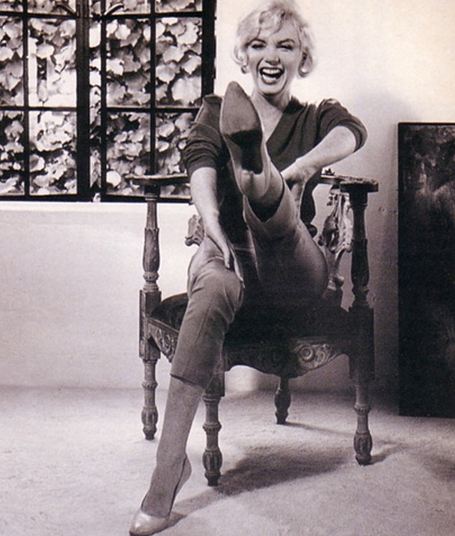
 

mmshe


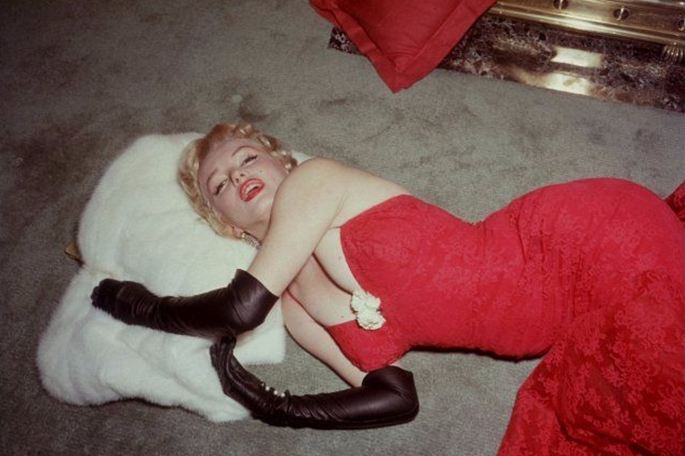
Born, breast-fed and bred by Hollywood is like being a small tentacle growing out of an omnipotent octopus. We’re sharing Alice in Wonderland’s looking glass—gazing at who we are while what is reflected has a way of commandeering the reality of our lives. Marilyn Monroe and myself, both born in L.A.’s General Hospital (Marilyn in the older unit, torn down to build the Dec monolith, both of us at different times, nursed on the Hollywood turf, and could’ve testified to lives lived different from any other. Here we exist in a glass dome like hothouse bulbs, the outside surface showing only what the industry wants the public to know—that which can spur sales. Inside the dome, we often find that if the mirror is tipped askew there is no reflection at all.  Some say God help us. We’re an isolated breed feeding on fame and recognition, and sometimes one another. Practicality and love struggle somewhere down the ladder—second or third rung business; to be addressed tomorrow, or maybe soon as the picture’s in the can.

My late, good friend of many years, filmmaker Curtis Harrington, passed away the spring of 2007. I spoke at his Memorial in the Mary Pickford Center, and gained the feeling that a fusion of all the positive energy in that packed theatre could possibly leak into some ethereal sense and somehow be transmitted beyond earthly reaches. I don’t know. A friend for half a century, we met on the Fox lot in 1957. We last met a week before he died, and were talking about Marilyn, remembering her. Curtis made his mark in experimental film, later was an associate to Jerry Wald, who produced Clash by Night, and another movie with Marilyn, Let’s Make Love. His next project with Marilyn would have been A Woman of Summer, based upon William Inge’s play, A Loss of Roses. Inge had written the play specifically for Marilyn. He told me in New York, “Every word the character speaks, I’ve composed as coming from Marilyn’s lips.”
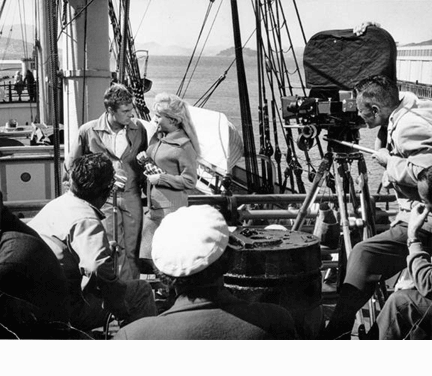
John Gilmore in a film with Susan Oliver, 1959

John Gilmore in a film with Susan Oliver, 1959

Curtis, Marilyn, and I, once lunched in the Fox commissary, talking about the project. George Masters joined us, and told a joke that had Marilyn laughing—a brief reprieve from her nightmare on Something’s Got to Give. I’d played the lead in the L.A. theatrical production of A Loss of Roses, and it seemed that Marilyn and I would work together in the movie version.  What this meant for me as an actor was scaling Mt. Everest. It also meant reaching a summit in my every-so-often friendship shared with Marilyn since 1953, when introduced to her by my mentor, actor John Hodiak.

I can remember her now, how she blinked her eyes, the eyelids opening and closing; such a sad cast to those side-streets in her personality, then the brightness that could come in a flash, like a rush of spontaneous enthusiasm—more than one could contain. All of her in her very own world.
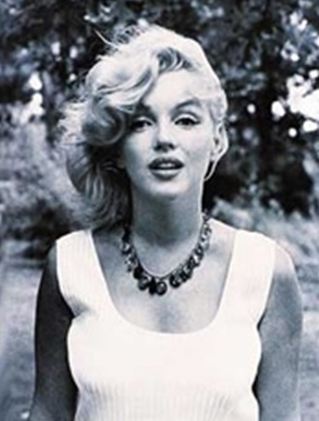
mmshe6


The initial script of A Woman of Summer had Marilyn “bubbling with ideas and juices…” she said. (The title would change to The Stripper, after scenes she’d so bubbled over were cut, along with meaningful dramatic scenes like the stripper’s try at suicide—slitting her wrists with broken glass. Marilyn loved the intensity of that scene.)

Later that day at Fox, Curtis gave me a copy of the changes, confiding, “Please do not let Marilyn see the ‘improvements’,” as he was instructed to call them, until the “approved” version was placed into Jerry Wald’s hands. The latest version Curtis handed to me contained none of Marilyn’s suggestions which would have made a far better picture. The big shots were saying, “She doesn’t have script approval—she’s not a writer.” The head big shot told Curtis, “She’s barely a competent actress.” How bloody wrong they were. That chaotic summer was fading fast—choices made that had nothing to do with Marilyn’s choosing. In their view, like John Henry of Sixteen Tons, she owed her soul to the company store.

I’d made no promise to Curtis that I’d keep secret from Marilyn anything about the Jerry Wald project. Nor did I promise my agent, Lester Salkow, or fellow clients Raymond Burr, Vincent Price, or Mr. Claude Raines, all supporting the prospect of my co-starring with Marilyn. Mr. Raines told me with a wink, “It could be a bit of alchemy, bringing you and Marilyn together romantically on the screen…”
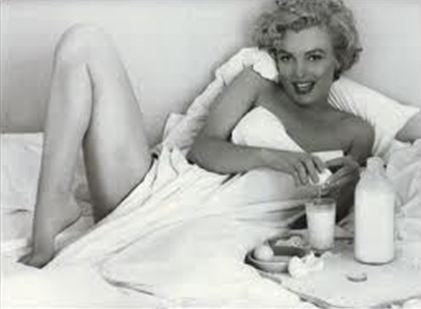
mmshe2


While Fox was designing the costumes for the picture, the front office offered the co-lead—the role I was up for—to Pat Boone, who turned it down. “I’ve got a lot of teenage fans,” he said, “and they would be upset if I played a person who has an affair with an older woman. I can’t do that.”

I had no such qualms. Marilyn was gorgeous and hot as dynamite. I was an up-and-coming actor of 26, even one year younger than Boone. I was ready.

I wasn’t even off the lot when I called Marilyn and told her I had the script. That late afternoon she came to my place in West Hollywood, anxious to see the script inserts—the scenes she’d raved about. She was breathing hard from just walking up the driveway. A black scarf was over her head, under her chin and covering her throat. No makeup. Her eyebrows looked bleached. She wore something like tan army pants, two shirts and a sweater, and no socks; huaraches with her toes peeking out. Her purse was on a shoulder strap, and she was carrying a big purse, along with a thermos bottle like one I’d toted in the fifth grade.

I apologized that my place was small. She said, “This is bigger than so many places I’ve lived in. I can’t even think of all of them. This is very comfortable, and you can walk to the Tail o’ the Cock and drink margaritas all afternoon. That’s where the drink was invented, you know.” She sat on the raised brick hearth of the fire place, loosening her scarf, and then rattled through the insert pages. I watched her face for the inevitable. It didn’t take long. Minutes later, with a look of one shortchanged big-time, she stared at me and said, “This is terrible!  Don’t you think this is terrible?”

I said, “It isn’t exactly what Mr. Inge had in mind—”

“It isn’t exactly like anything!” she said, and in a swift, defiant gesture, she tore the pages in half and threw them into the fireplace. She nodded to herself.  “You can use it to heat this little house and make it very cheerful.”

Her hands were shaking. She asked for water, so I rinsed and filled a glass as she dug in that big purse. Out came a pill box full of capsules. She said she had a headache behind her eyes—reading too much. I asked if she wanted an Aspirin. She shook her head. “I’m on medication,” she said and drank the water, chasing two capsules. “My vision gets irritated and it’s very troublesome…” She stood up, stretching to one side. “I’ve pulled a muscle—twisted the wrong way rehearsing a number. Ralph says I damaged a ligament. You know Ralph Roberts?” I said I’d met him. “He always helps me,” she said. “I don’t know if I can get through all this without help. These jerks won’t help me. You’ve helped me—showing me the changes that weren’t there. That was the only reason I wanted to do the picture. I don’t see how I can do it…I know it’s anxiety because I’m not well…”
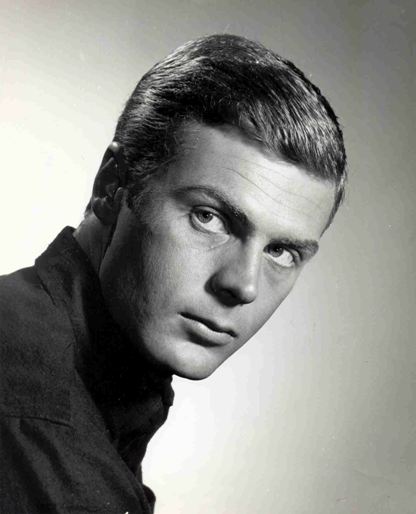
jg


She needed to eat. She said she’d had nothing that day. “I want bacon and asparagus,” she said.  “I’ve been thinking about it all day, even seeing it on a plate—in my mind.” I had neither bacon nor asparagus, but suggested Ernie’s Restaurant on LaCienega.

She used my cramped bathroom and I don’t recall how long she was in there. I listened to the water going on and off, and heard her repeatedly place the glass on the sink counter. When she came out, the black scarf was covering your hair, and big dark sunglasses hid her eyes. She asked, “Do I look all right?”

We drove to Ernie’s, and even half-hidden, the waiter sensed who she was. His hands shook as he set the plates on the table. Canadian bacon and asparagus stalks Marilyn then smothered with pepper.

She set the shaker down, and showed me a blister on her thumb. “I just sprinkled pepper on my sore,” she said. “I got this from planting an astonishing bromeliad…” I said she’d once told me bromeliads were her favorite flower. She asked, “When did I say that?” I said in New York, at John Stix’s dinner party. “He had a book on bromeliads—a big Spanish publication—”

“Yes!” she said. “A wonderful book. So many flowers—so exotic. So enriching for one’s spirit.  They can be found in the renderings of ancient Mayan civilizations. You cannot water some as you would other plants. You must put the water into them like you are feeding thirsty little mouths…”

She cut the bacon, speared each with a hunk of asparagus and drank only water. For desert she swallowed another capsule, saying, “These are actually vitamin Cs.”

I nodded, then asked, “Are we going to do the movie?”

She sighed. She tapped her fingertips against her upper lip. “Who the fuck knows?”

We drove back to my place and she said she wanted to read two scenes from the first version of the script. “This is why I wanted to do the picture,” she said. “The sad love scene between Lila and the boy, and then when she tries to end her life. God, I don’t know what they’ve done to this script, it’s so awful. I don’t understand why they can’t leave it alone…why they have to get their greedy hands into everything!” She almost cried. I gave her a wad of Kleenex. “Why won’t they even pretend to have an adventurous spirit? Or at least some kind of meaningful intelligence?” She blew her nose. She wanted to do the picture the way it had been presented, “the way it was orchestrated—written by this wonderful author.”

I said, “The original concept with solely you—Marilyn—in his mind. That’s what he told me in New York. He said every word out of Lila’s mouth, he was thinking of you–seeing you saying everything he was thinking.”
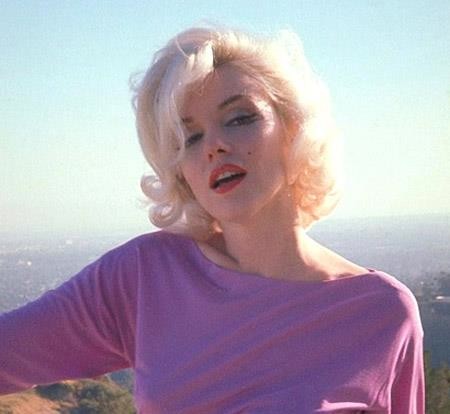
marilyn-monroe


She stared at me—that same odd sort of recognition we’d experienced before. Then, sort of erratically, using a match from the box on the fireplace, she lit the rest of the so-called revised script on fire and we watched it burn. I said, “We should toast the barbeque. I’ve got some vodka?”

She had to confess there were only the remains of a margarita in her thermos. She removed the lid and peered down into the mirrored interior. “I’ve had this for two days or I don’t know how long it has been, but the salt will preserve it—don’t you think?”

We mixed what was left in her thermos into the vodka. I took a taste and said, “You’re right. The salt’s preserved the margarita.” She slumped back on the Hollywood studio bed, saying my phonograph was like the one she’d had before, and asked what I was listening to. I turned it on, let the arm lower to the red LP record, and we sat, listening to the music and the voice. Moments later she said she knew what it was. I said, “It’s Amelia Rodriguez. Fado—the Portuguese word means fate.”

“It’s about tragedy,” she said.

“Not only tragedy,” I said. “Also about joy and love and all that.”

“But it ends in tragedy,” she said. “Emotional and stirring but always ends in tragedy.” She hadn’t said that in a disturbed way, simply as a matter of fact. I agreed, but asked if it made her sad.

“No,” she said.

I told her the record was given to me as a birthday present in New York. “Almost two years ago.”

“A girl friend?” she asked. I laughed and said no. She asked, “Why do you laugh?”

I didn’t know. “People laugh,” I said.

She said, “Don’t you have a girlfriend?” I said yeah, maybe I did. I just wasn’t thinking about it.

“People are hard to think about,” she said as we listened to the record. “Especially people who are telling you how you should be thinking.”
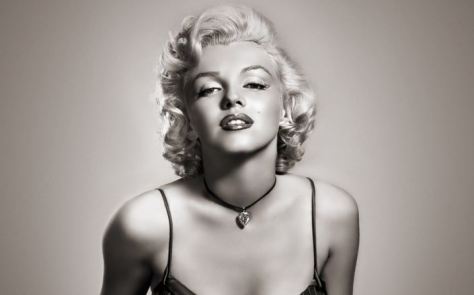
mmshe3


I was slumped in the canvas desk chair, my feet up on the coffee table, watching her as she removed the huaraches and was flexing her toes. She asked if I knew the Chinese method of massaging feet. I said that was something I did not know. She raised her leg, stretched it towards me and put her bare foot against the sole of my shoe. She said, “Your feet are small for someone as tall as you—” then quickly got her purse from the floor. She dug into it and came up with the pillbox. Arching her back for a moment, she put another pill in her mouth and chased it with the drink. After she carefully lifted two more pills from the box, she reached across to me saying, “These are good for you if you need to relax. It makes me so relaxed, I can just close my eyes and I start dreaming…” I took the pills but worried what they were until I excused myself and got rid of them in the bathroom.

Walking her to her car, I thought she looked frail. It wasn’t cold but even with those two shirts and the sweater she appeared to be shivering. I wasn’t sure what to do. Now, it seems like yesterday, her sitting behind the wheel, of her car, turning the key, the engine starting. The headlights went on. I remember bending down and saying, “Good night, Marilyn… you sure you’re all right?”

Her eyes were half lit in the yellow glow of the dash lights. She nodded, then raised her hand and gave a little backward wave. “Ciao…” she said, and drove away from the curb. Her red brake lights brightened at the corner, and then she turned west and disappeared into the night.

She could tell no one how ill she was, though I’d know later how ill she’d been, treading a tightrope between that miserable life at her back to one ahead she couldn’t be sure would prove less miserable than where she’d been. She was being drawn and quartered by a relentless commerce. Two weeks earlier, Curtis Harrington told me, “They’re eating poor Marilyn alive.  She’s trying to hide, but she can’t find a place to hide.”

Almost every hand she reached for was turning her down.  She wanted trust—someone you could trust who would not prove traitorous. There was really no one, was there?

They failed to acknowledge her priorities, and worse, her health, bent only on her luminous career being terminated. As a result, she was fired—the idiots having set her up to take the fall for their own unrelated extravaganzas. “You are through,” they said. “All washed up. She’ll never work again in this town. Marilyn Monroe will be forgotten…”

Wrong and wrong again. She showed them what guts was all about. That front office was a speck on a beach compared to Marilyn’s popularity; compared to the unflinching commitment and admiration world-wide, how fast the scales tipped, and mouths so full of dictatorial admonitions turned to Cheshire smiles as they welcomed her back.


But our movie, which Mr. Claude Raines had prophesized as an act of alchemy, rolled sadly without ether Marilyn or myself. Joanne Woodward took Marilyn’s place, and told me, “I did it as homage to Marilyn. I even recorded the song Something’s Gotta Give. I did it all for Marilyn.”

Jerry Wald suffered a fatal heart attack during production. He was only 51. Curtis Harrington took up the production reins, harried, stressed; doing the best he could under the circumstances.  Less than a month after Wald’s exit from the world, Marilyn followed, just a breeze past her 36th birthday.
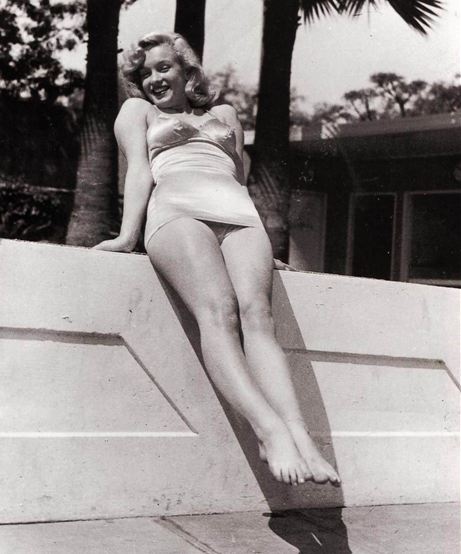
mmshe4


Decades have passed. Half a century since that night I walked Marilyn to her car, yet it could have been yesterday.

I never saw her again. Too late the truth hit that I had failed to honor the little parcel of trust she bestowed—that small, shining jewel, too brief, too fast; all events roaring with an immediacy that stunned, and then she was gone.

I hid my sadness behind a hundred guises—something I could never talk about except to those touched by her. I locked a door to a space in my life that stayed nailed shut. Was it fate? Was it written all over her face and I failed to see it because I would’ve had to ask myself, “What can I possibly do?” This is Hollywood, isn’t it?

In dreams I begged her forgiveness for my having failed at being more than another hand turning her down. I fought against accepting that as a fact, and as unreasonable as it seems to alter what was, I did feel sorry—but all the clowns that could be have never erased the regret I’ve carried for when I saw her falling, and like everyone else, I stepped aside. Hollywood, right?

I’ve cherished each moment of her company, infrequent as it may have seemed, each single second I caught her eye. These are holy relics housed inside my soul. So yes, Ciao, dear Marilyn.
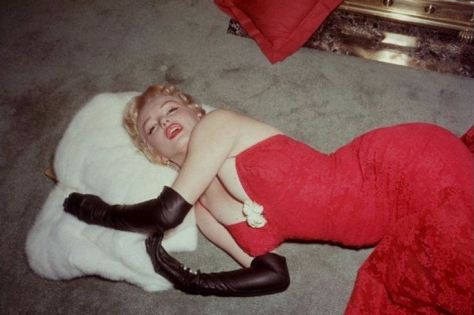
mmshe5


This 50th Memorial at Westwood will equate to my having lived more than two her lifetimes, the second one empty of that person—a sad, frail Marilyn, gone, but now everywhere—a whole other world of her and more and more worlds of people touched, made joyous, made enriched by the iconic, continuing Goddess life of Marilyn that will never be gone…

Fans rejoice that her beaming spirit so divinely captured through the magic screen has filled the years immeasurably. The wonder of her sparkling achievements lives with us, the Marilyn the world knows and loves, and carries in their hearts; not as a lost soul careening in the constellations, but like the spirit of Mozart seizing us through his music, or Van Gogh pulling us into his dazzling, pulsing paint, right to the other side of the mirror. No magician on earth can weave a more spectacular spell than what Marilyn bestowed of her radiance, her gentleness, and a profound, vibrant humanity. She never has to hide again. She is everywhere in the world.

Beyond all shadow and haze and uncertainty, she is an angel that walked upon the earth, and that angel is yet with us; and will live eternally, everlastingly, through all time and into infinity.


An Interview with Jack Ketchum

Photo by Steve Thornton for www.theamericani.com

Photo by Steve Thornton for http://www.theamericani.com

Author Jack Ketchum  has worked as everything from a soda jerk, lumber salesman, teacher, singer, and an actor. He claims that Elvis, dinosaurs, and horror probably saved his life. Most readers who are familiar with his work, are likely well aware of a piece in Entertainment Weekly in which Stephen King, when asked who was the scariest man in America, was quoted as saying, “probably Jack  Ketchum”. No small praise, though well earned, it is without a doubt one of the highest compliments anyone could receive in his field. In 2011 he earned The World Horror Convention Grand Master Award for outstanding contributions to the horror genre.

A knack for creating stories and a love of written word from a young age led up to what was to become a lifelong career. He was mentored by Robert Bloch (author of Psycho,) who in turn had been mentored by H.P. Lovecraft during his early days as a writer, and who remained a friend and supporter of Jack’s until his death in 1994. In the earlier days of his career, Ketchum sold a rather impressive amount of articles and short fiction under his original pen name, Jerzy Livingston, which he later changed to Jack Ketchum when he began writing novels.  He recently worked with director Lucky McKee on the novel and the movie version of The Woman and the book I’m Not Sam.

How exactly do you think Elvis, dinosaurs, and horror have saved your life? What first sparked your interest in horror.

I was what they call a troubled kid. Parents at war, me in the middle, that kind of thing. Elvis gave me my first taste of rock ’n’ roll rebellion and a sense of identity, he got out and I wanted out, I wanted to be just like him. Dinosaurs gave me a rich fantasy life and a sense of the unknowable past and unfathomable future. I never believed they’d gone extinct, by the way. Turned out I was right! T-Rex was my first monster. Scared the shit out of me and chased me through my dreams. Probably Christianity gave me my first true sense of horror. Some guys nailed some other guys to a cross, on purpose! What a world, huh? Give me T-Rex any day.

You also credit Elvis with giving you your first taste of the freedom of rebellion and a sense of identity. How did the idea that if he could get out you could too influence your life from that point on? Do you remember what you thought the very first time you discovered his music?
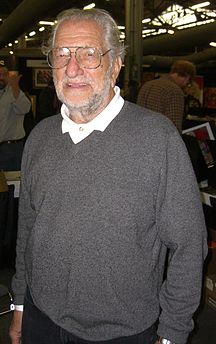
I’ll quote Bob Dylan here. “When I first heard Elvis’ voice I just knew that I wasn’t going to work for anybody, and nobody was going to be my boss. Hearing him was like busting out of jail.”  I felt exactly the same.

What do you think you’d be doing right now if you hadn’t become a writer?

I’d be in jail for murdering my boss.

Stephen King has called you the scariest man in America. What did it feel like to learn that? Do you agree with him? Are you a fan of his work?

Big fan. Steve’s the real deal, a natural storyteller with heart, soul and an endlessly crafty mind. When I learned he called me that in Entertainment Weekly I was all smiles, naturally. But that was during the GW Bush administration. I e-mailed him and told him thanks, but that I thought the scariest man in America lived across the Potomac.

What was the first story you ever remember writing?

It was a first-person narrative about Hector being dragged around the walls of Troy by Achilles’ chariot. From Hector’s point of view. Artistic license. Hey, I was just a kid.

What was it like to be befriended by Robert Bloch? Do you think you would have accomplished all you have without his support? What was the most important thing you learned from you friendship with him?

Many things. To apply my ass to a chair. To keep your sense of humor intact at all costs. To try to be generous to young writers. That loving books doesn’t make you a wuss…all kinds of stuff. Bob was a wonderful man.  I wrote to him in high school at the behest of my English teacher, a class assignment to write to authors we liked, and he wrote me back. That began a long correspondence that lasted until he died. “Nice” is putting it mildly. It was intoxicating at first, for a teenage kid, and later, invaluable to have that feedback. His work stands because he was unique—the first pulp writer to inject both humor and realism into his stories. And most of them hold up to this day.

What one question that never gets asked do you most wish would be posed to you in an interview?

If you’re so damn smart, why ain’t you rich?

What is one little known thing about you that even those closest to you don’t know?

Exactly how much scar-tissue I have around my heart.

jack2

Do you think it is important for people to help each along through this life whenever possible?

Whenever possible, yes. And not just people, but animals too. You’ve got to pick your battles, though, or else you risk wearing yourself too thin, both financially and emotionally. As Stephen King said in his story The Reach, “I believe it is better to plow deep than wide.”

As someone who is truly kind do you think kindness is a highly overlooked virtue in today’s world?

There are people who would argue my kindness but I try. I don’t think it’s an overlooked virtue. I think it’s one of the few that we still hold dear. I’m an old hippie. I still believe, as many people do, that it’s important to spread a little sunshine.

You are also very fond of animals I understand. Is that a long-standing trait?

Sure. When has an animal ever made fun of you? Bullied you? Made you feel unwanted? Ripped you off? Give me a cat or dog over most people any day. They’re a safe, reliable, giving repository for love.

You have worked with Lucky in the past. What is it like to work with him? Why do you enjoy it so much?

Lucky and I are always on the same page. It’s very unusual, I think–especially because he’s young enough to be my kid. Plus he’s just a lot of fun to work with and be around.  We share a kind of black sense of humor and a very real love of books and movies. You don’t want to ruin a friendship with disagreements over work, so you have to pick your partners carefully, and both of you have to be okay with the possibility of it not working out. But when it does, as with Lucky and me, you find this kind of rapid-fire inspiration going on, each of you picking the other’s brain for ideas, some ridiculous and some perfect, so that it’s a lot of fun. The product that you get is not quite yours and not quite the other guy’s either, but belongs to some third “writer” that you both invented together.

For those not familiar with the story, can you tell us a little about The Woman? What does it feel like to see your ideas take come to life on film?

The Woman picks up where the film version of Offspring leaves off. She’s the sole survivor of her tribe, badly wounded, and a very strange guy out hunting trips over her one day and decides to bring her home to the wife and family. It’s a major kick to see a bunch of talented people applying their skills and insight to a template you’ve provided with your own imagination. When it succeeds, as I believe The Woman does, it’s thrilling. And even when it only partially succeeds it’s delightful. I’d guess that when it fails utterly it’s distressing as hell. Don’t know. Luckily, I’ve never been there.

The scene at the beginning of The Woman with the wolf and the baby is one of the most comforting scenes I’ve seen. How was that accomplished?

It was a real baby, real time. No CGI at all. Trick was…they “grew up” together. The wolf met the baby first thing, since he belonged to the trainers. A little red sugar water and voila!

You are working with Lucky again on I’m Not Sam. Is there anything you can tell us about that? Any thought yet as to who is going to be in the film version? Is there any chance you might use Sean Spillane again on the soundtrack seeing as he nailed it on The Woman?

At this point I’m Not Sam is two linked novellas, a very twisted love story, to be published by Cemetery Dance this year. We’re still working on the screenplay so it’s too early to say who’ll be involved with it, though Sean certainly nailed the music for The Woman in our estimation. We have a producer interested, but nothing firm yet.

What do you think you would like your famous last words to be if you had one final thing to say to the world?

Ne pas sto kalo. That’s Greek for “go with the good.”

Photo by Steve Thornton for www.theamericani.com

Photo by Steve Thornton for http://www.theamericani.com


“Late Winter Still Life, 1960” by George Korolog

Late Winter Still Life, 1960


There is this moment in space that I

continue to bend back over

myself, one that I had mentally marked,

saying, “I will remember

this moment.” Today I’m flipping time in

on itself, connecting two

points into a single moment again,

folding forty years of distance,

even though I cannot explain the point of

either. Points are elusive.

It was late winter. There was no snow.

My face was stung red.

I was positioned solemnly in the street

in front of my house

leaning into the hard strokes of wind

with a confidence that has

disappeared with age. I don’t

remember arriving or leaving,

just being there. Gunmetal grey sky

slashed with deep cuts

like rips in a coal vein that has

been there forever, waiting to

be discovered. I distinctly recall

thinking how much I mattered,

not how little. My clothes were tinged

with late afternoon frost,

my plaid red jacket hooked and closed

with clasps that clipped

together with a magic trick, my frozen

right shoelace undone,

worn grey corduroy pants with an

ironed on patch over the knee,

rising tide above the ankles. It was

a distinct thought. “Remember

this moment”. Mark it. Tell yourself that

you will never forget.

“Remember this moment”.

Imbed it so that

it would remain, for

If I lived long enough, I would

to be able to say that I thought

this thought. Did I make a pact

with God and promise that I would

never forget. Had the final errant

bird on the high voltage wire,

whose perfect stillness had caught my

attention make everything perfectly clear?

I do recall that the air was frozen and

that the angels could not fly.

One-300x200George Korolog is a poet living in Woodside, California. He works in the left hemisphere of the world with a right hemisphere brain. Somehow, he makes it work. His poetry, flash fiction and non-fiction have been widely published in over forty print and online journals such as Word Riot, Forge, Punchnels Magazine, Naugatuck River Review, Blue Fifth Review, Poets and Artists Magazine, Red River Review, Poetry Quarterly, Connotation Press, The Chaffey Review, Thin Air, Grey Sparrow Journal and many others. His poem, From Tending Sheep to Confusion on the Amtrak 10:50 was awarded second prize in the 2011 Tom Howard/John H. Reid Poetry Contest. He was a runner up for The 2012 Contemporary American Poetry Prize for his poem, Soul Stone. He has been nominated for the Pushcart Prize and is an active member of The Stanford Writers Studio. His first book of poetry, Collapsing Outside the Box, was published by Aldrich Press in November 2012. His second book, Raw String will be published by Finishing Line Press in 2013 and he is busy working on his third book, God’s Avenging Concubines.

An Interview with Ian Ayres

ian-ayres-by-roy-schatt-8-oct-1986

Photo by Roy Schatt

Writer/Director/Producer Ian Ayres produces documentaries with an edgy honesty that is hard to beat. From The Jill & Tony Curtis Story, The Universe of Keith Haring, Five Roads to Freedom: From Apartheid to the World Cup and several others he has covered a wide array of subjects with clarity and taste. Most recently Ian directed Tony Curtis: Driven to Stardom. Featuring interviews with people who knew Curtis well (Mamie Van Doren, John Gilmore, Hugh Hefner, Harry Belafonte and others) along with film extracts, archive footage and rare photos that highlight his life and career, it gives fans a respectful glimpse into what made Tony Curtis a legend of the silver screen. This film premiered at the 7th Annual Jewish Film Festival in Los Angeles. It was an honor to sit down with Ian Ayres and talk about his body of work to date. Ian’s work can be found at French Connection Films.

Can you tell us a little about yourself? Where you’re from? What were you like as a child?

Born in Los Angeles, my life began in a traveling carnival where my father owned a shooting gallery with rifles that shot lead bullets. I had a terrible fear of being forgotten because my parents used to leave me locked up inside the cramped cabin of the shooting gallery truck. A few months after I turned four, my parents separated and divorced. Being on the move, though, never stopped. In the custody of our mother, my siblings and I spent our childhoods packing up boxes and unpacking them several times a year due to her crazy love life.

Always the new kid in school, I never learned how to make friends or socialize. I used to keep my hands in my pockets, head bowed and watch my shoes as I walked. My imagination became my refuge and, I believe, led to my writing poetry in houses of ill fame when I hit puberty. The brothels were called massage parlors and the prostitutes, masseuses. One of the parlor girls introduced me to expressing myself through words in a notebook. I think she wanted to distract me from my mother acting like she had the hots for men who smelled of mothballs. Mom did make a lot of cash that she’d have me smash into my pockets. So, while she turned tricks, I grew obsessed with words. The word thing started when I was seven. Mom used to have me rub lotion on her back and, using my finger, write words that she’d guess. That was the closest we ever got to each other. That’s the closest I got to anyone as a child.
Soon after my fifteenth birthday my mother introduced me to the world of drugs through what she called her “diet pills.” Wired on amphetamines I’d serve coffee to men waiting their turn to be with her up the winding staircase of our latest apartment. She had diverted clientele from where she worked in order to earn enough to open a massage parlor of her own.

A few months after our first parlor opened, I read a book about Marilyn Monroe and ran away to Hollywood to become a movie star. Discovered by a director who offered me the lead role in a movie called The Greek Connection, I got the hell out of Hollywood as soon as I learned it was some kind of sex film. My mother had reported me a runaway, though, so I explained to this cop that I only took a vacation. The cop laughed and reassured us that no matter what trouble I might get into, I’d get a clean record and fresh start on my eighteenth birthday. Now Mom took a new interest in me. We’d go shoplifting together. She’d pick out what she wanted, then let me know when to hide it under my coat and sneak it out to the car. Some of the most fun we had together was during our shoplifting adventures. And everything I ever stole was for her. I guess the same went for the poems I’d write. She wouldn’t listen to me except to give feedback on something I wrote.
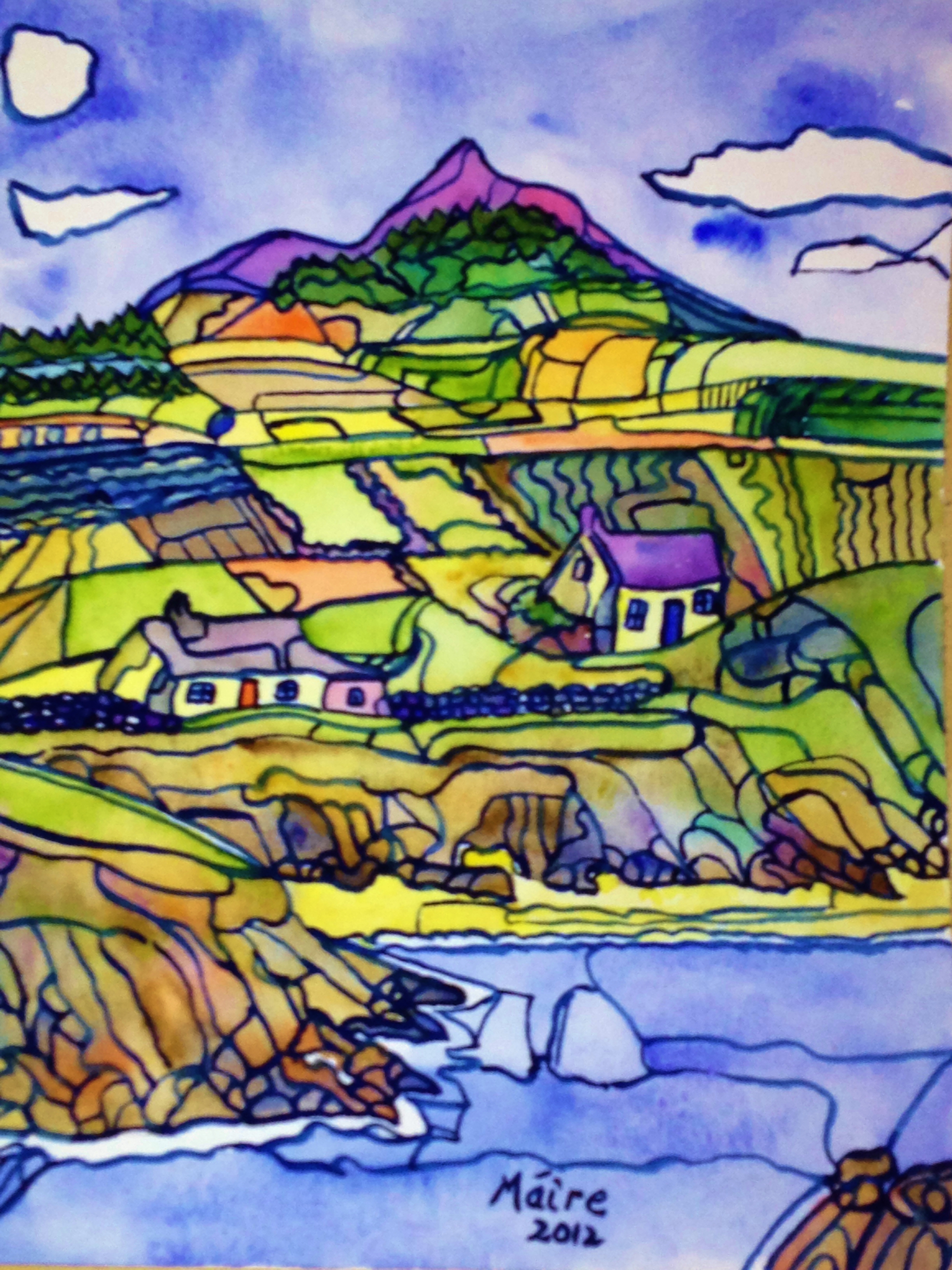
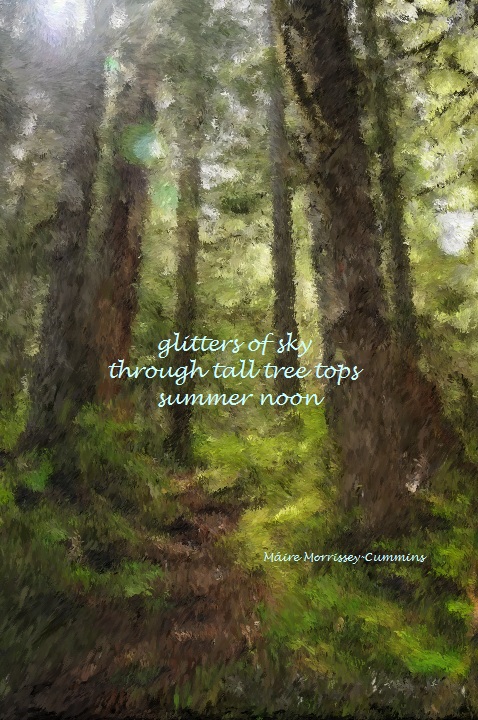
Photo by William Higgins

Photo by William Higgins

I’ve always lived in my own realm of imagination. Never thought of it as being creative until I was 18 and going through all that I told to Paul Brickman, who combined my young pimping days with his conformist upbringing to create the movie Risky Business.

After my “masseuses” had stolen everything from a secret parlor I ran in Miami, Florida — my mother was standing trial over her chain of parlors in Fresno, California — I learned about James Dean from a white, lesbian, prostitute junkie. Her name was Pat Hamren. She’d fallen in love with a black woman, begun wearing her hair in an afro and acting like a black man; going as far as telling people she was an albino black. And we were like family. After all, Pat was the manager who hired my mom to work at her first parlor.

In between tricks — what we called a dry spell — Pat and I were smoking a joint in my mom’s Monte Carlo Sedan when I shared my fear of being forgotten after I died. I said I wanted to do something I’d be remembered for in this world. She coughed up some smoke with: “You want to be a legend like James Dean?” When I asked her who he was, she told me to go to the mall and buy a biography on him. All they had was David Dalton’s The Mutant King. Then I soon discovered what was to become my favorite Dean biography. It’s got a different title now but was then called The Real James Dean, by John Gilmore. Reading it put me in the skin of James Dean. Gilmore made Dean so human and real for me that I believed I, too, could conquer Manhattan. So Gilmore’s book transported me to a great many moments when James Dean breathed, and I could feel Jimmy’s breath as I experienced so fully what John had written. He made Jimmy come to life. Anyhow, one thing leads to another. Smoking that joint with my lesbian prostitute junkie friend when I was 18 led me to James Dean and James Dean, thanks to John Gilmore, got me hooked on a life of creativity.

Ian Ayres (Nude on Tomb)

Photo by Eric J. Klein

Are there any hidden things about you that you’d not mind sharing?

There are too many skeletons I’ve already let out of the closet in my memoir Private Parts. I wish I could destroy every single copy of that book. I regret having exposed so much. I’m not about to regret this interview, too.

Is it true you are a cousin of Barbara Eden? What is she like as a person? Do you think her influence on you has led to your work dealing with the glory days of Hollywood?

Barbara Eden is my cousin through screenwriter Katherine Fugate (Carolina, Valentine’s Day, New Year’s Eve, etc.). Katherine’s father is the son of my grandmother’s sister. He married Barbara’s first cousin, the mother of Katherine. Barbara spent much of her childhood with Katherine’s mother, so Katherine always considered her an aunt. Barbara is very proper and never had any influence on me. She doesn’t approve of my side of the family, which is presented in Katherine’s first movie: Carolina. Marilyn, the madam in the movie, is based on my mother who has the same name.

How did you first become involved in film? What do you think you’d be doing right now if not making documentaries?

Poetry mattered most to me. After I gave up on becoming the next James Dean, I wanted to devote my life to reading and writing poems. Then, in 1999, a filmmaker named Eric Ellena talked me into being a founder of French Connection Films with him. I didn’t mind the production side of things as long as it didn’t interfere with my poetry. Then I talked Eric into starting a press for a poetry anthology series I titled Van Gogh’s Ear. The anthology soon gained popularity and began including creative prose and artworks. I was overwhelmed with editing volume after volume when Eric suggested I direct a documentary. I decided to do one on poets and writers, which we did a lot of interviews for and is still in the making. Then came a request from a French channel for a documentary on the American Church of Paris. My work on A Glimpse of Heaven pleased other TV channels throughout the world but I swore I’d never do another film after I finished the one about poets and writers. Poetry was my passion. Next I got the idea for a celebrity edition of Van Gogh’s Ear and asked every celebrity I could to contribute. An assistant to the legendary Tony Curtis responded with a request that I telephone. After he said Tony would gladly contribute to this special edition of the anthology series, he suggested I do a documentary on Tony and his wife, Jill, because they saved horses from slaughter. Okay, worthy cause. I’d do one more film before finishing my film career with the one I set out to do. After that I’d never again lose time on being a poet. While in Henderson, Nevada, I did an intimate interview with Tony about his life and career. I figured it would make an interesting bonus for The Jill & Tony Curtis Story DVD. Deep down, however, I knew it might end up being another documentary. It did. Now I don’t know if I’ll ever escape filmmaking. My poetry’s been on hold ever since that second documentary.

Private Parts: The Early Works of Ian Ayres

Do you think you might ever like to do a fully scripted fictional movie?

The dreaded question. No, I will never do a fully scripted fictional movie. I’m a poet and that’s the life I choose. The only catch is I’ve already begun writing a script for a dark comedy. Chances are I might end up having to direct this one. Afterwards, though, never, ever again. I am not a filmmaker! I’m a poet that keeps getting tangled up in celluloid.

As a writer/producer/director is there any one element of the work you love more than others?

I love working with composers on the musical score and doing a song or two of my own for each film. Writing lyrics is similar to poetry. And I love music. Actually, it’s the chance to create more songs that keeps me doing films. The recording studio is my favorite place to be. I consider it my reward for all the work I’ve done. When I was a kid I used to sing along with hit songs on the radio and dream of someday having a hit of my own. If I had to choose between having a hit movie or a hit song, I’d choose a hit song. That would be totally awesome.

What was it like to see Tony Curtis: Driven to Stardom premiere at the Los Angeles Jewish Film Festival? Why did you choose to do this particular film?

I was in Martinique doing location shots for a documentary about Empress Josephine when Tony Curtis: Driven to Stardom had its red carpet event. If I’d been able to attend, I would have done it incognito. Working on Tony’s film was painful. He’d died and I didn’t have time to grieve. At Shiloh, their horse rescue, he gave me his white cap. It’s as if he knew I’d be doing this film on his life and career. During his last time in Paris I kept asking him to walk for the cameras because when we met he confided his desire for recognition from the Academy Awards, though feared he’d end up rolling onto the stage in a wheelchair to accept his Oscar. He told me that at the Luxor in Las Vegas the night before we left. Next time I saw him he was in a wheelchair after almost having died from the pneumonia he came down with the week following our first dinner together. The very last thing he said to me in Paris was due, I think, to my asking him to keep getting out of that wheelchair for his public appearances. He’s greatly loved in France and I wanted him to look his best. I’d even bought him an expensive French beret that he refused to wear. I’m not sure if he was angry or joking but, after an exhausting appearance among his paintings at an art gallery for news cameras, he got back in his wheelchair, looked up at me and asked, “What are you going to have me do next — porn?” Not knowing what to think, I said, “Yes. And you will be the star. You’re my favorite star.” Instead of a porno, I began interviewing people who knew Tony throughout his life. I’d begun making the film before he died. I wanted him to be at the premiere. Perhaps his death allowed me to be more objective. I don’t know. It was total fact-finding and gut instincts for getting truths across. Have no idea how it came together. Kind of like energies from beyond channeled through me.

Did you enjoy having the chance to talk to all the people you did while filming this one?

When we arrived for each interview, I swear my heart tried to break out of its ribcage. Fears of rejection are often unbearable for me. I’ve always been nervous about meeting anyone. Some people can be so cruel, especially serial killers. But everyone we interviewed turned out to be very sensitive and caring. So, yes, I definitely enjoyed each visit. They made us feel right at home. And I guess, since my goal is to create a sense of intimacy that’s felt by viewers, there’s a lot of opening up involved that goes deep, to the heart of things. In fact, I feel a great affection for everyone I’ve interviewed.

John Gilmore is in this one and I understand he recently did two very long interviews with you (one dealing, of course, with Marilyn Monroe). What was it like to hear him talk for hours? What is he like as a person?

John’s not the type to talk for hours. I had to keep asking him questions. He was most kind and patient with us during the interviews, especially the recent one about Marilyn Monroe. We lost a major part of the interview due to a technical problem and hoped John wouldn’t mind re-doing it. We were holding our breaths when we asked. And John proved to be very understanding. Not only did he repeat the entire lost section of the interview, he became even more detailed in his spontaneous eloquence. I felt as if Marilyn were right there with us, too. It’s one of the most outstanding interviews we have on her. John cares more about truth than impressing people. He’s not afraid to skinny dip in a pond of absinthe-green corpses to expose their rot hidden beneath a liquid mirror of sky and trees. I’m convinced John Gilmore is a genius. That being said, he’s also a pretty cool dude. Like William S. Burroughs, though, he keeps guns in the house. I’d advise prowlers and paparazzi to beware. Above his office doorway he has a sign saying: “I Don’t Give a Shit.” I wouldn’t want to disturb him when he’s writing. You could get shot!

What about the other piece he worked with you on? Can you tell us a little about that? When will they be available to the public do you think?

The first time I met John Gilmore was in the Hollywood Hills for a filmed interview about his career as a writer for the only documentary I’d ever really planned on making — the one about poets and writers. I had just gone out to get the sound equipment from the trunk of our rented car when John came driving down the sloping driveway in what I believe was a sports car. The timing surprised me. And I felt an instant connection with him — probably because I’d read more books by him than anyone else. My first impression of John Gilmore was: “Wow!” He has this “King of Cool” charisma combined with an aura of mystery that’s most intriguing. We interviewed him out on the balcony of the two-story apartment where writer Felice Picano was staying. We were lucky there weren’t many noises in the surrounding hills embraced by blue sky. I remember tripping on how that same blue sky seemed to be shining through John’s eyes. He fascinated me with his responses to my eager questions. I really wanted to learn all I could about the craft of writing from him. His insights fascinated me. One thing I don’t think I’ll ever be able to do, however, is to get up at five in the morning and write every day. When John said this was his ritual, I fell against the balcony railing. Not even the sun is up that early. What’s making this documentary an important one is that I’ve continued interviewing great poets and writers in-between interviews for the other films I’ve produced or directed. It’s going to be a feature film about creativity, imagination and the importance of poets and writers to society. I’ve also interviewed a psychologist who specializes in the psychology of creative people. Plus there’s an interview with a scientist who claims it’s a myth about one side of the brain being the creative side. I’m looking forward to completing this film after I finish the movie theater release on Marilyn. So this one on poets and writers will be released the following year. It’s going to be a work of art in itself.

I understand John Gilmore is one of your favorite authors. Why do you think his work is so appealing. Do you think his work deserves more recognition than it gets? Are you looking forward to the release of his latest work On the Run with Bonnie and Clyde as much as I am?

John Gilmore shares that certain something that James Dean had, something otherworldly and magical. He does more than write books, he creates experiences that bring you to the core of the human condition and grip every fiber of your being. As far as recognition goes, Gilmore is already considered one of our most fascinating writers. And all great writers gain more and more recognition as time goes on. I believe recognition for John Gilmore’s genius will grow. He’s already more important to readers than Edgar Allan Poe was when Poe died. It’s a time thing. Each book Gilmore writes is a seed that’s planted when it goes to press. It grows and branches out to the world. I know On the Run with Bonnie and Clyde will be more than a book — it’ll blow you away like a bullet through the head. Pull the trigger. I’m ready!

John Gilmore & Ian Ayres (Photo by Felice Picano)

John Gilmore & Ian Ayres (Photo by Felice Picano)

I do think he is the most fascinating individual I have ever stumbled across. Do you think there is any chance you might ever do a documentary on the life and work of John Gilmore?

I’m hoping an autobiography or biography about John Gilmore is released before I do the documentary about his life and work. It would make it easier. But I am planning to do a John Gilmore documentary. I have a lot of fascinating interviews with him for starters. Such a documentary will also bring an incredible array of people into my life as I interview them regarding the writer and the man. For instance, I’d like to interview Holly Beavon and, of course, his son, Carson Gilmore, who happens to also be a great writer. The most extraordinary people have known John Gilmore. Think of Marilyn Monroe and James Dean. Oh, yes, his story will find its place on the silver screen.

Why do you think the Golden Age of Hollywood has always been as popular in pop culture as it has?

The popularity of the Golden Age of Hollywood has never crossed my mind. There are certain movie stars from Hollywood’s Golden Age that remind us of the glamour, excitement and magic created by the studio system and its myth-making ingenuity. The stars themselves had a lot to do with making what’s now called the Golden Age of Hollywood popular. I think it’s the continuous spell some of these stars hold over the masses that gives those white letters in the hills of HOLLYWOOD their Golden Age feel. Then, again, Peg Entwistle jumped from the “H” of the Hollywood sign (which then read “Hollywoodland”) into a ravine 100 feet below because she was so disillusioned with that Golden Age. Her dead body wasn’t found for two days. Then there’s murder victim Elizabeth Short, nicknamed “the Black Dahlia” by the press for her dyed black hair, love of black evening dresses, and for wearing a Dahlia flower in her hair. Her body was found naked, laid on its back, cut in half at the waist with her upper torso angled at a distance from her lower half, drained of all blood like a pallid white mannequin in a vacant lot of weeds. She, like Peg Entwistle and thousands more, came to Hollywoodland with breathtaking dreams because in those days movie stars were the equivalent of royalty in the U.S.A. And some stars who died young and at the peak of fame have since become modern day gods and goddesses. We keep them alive in memory in our constant battle against the inevitable that threatens us. We need to make them immortal to help us escape the raw reality of all mortality. But the fact remains that none of them would appeal to us if taken out of their coffins today and photographed for magazine covers. The hold of the Golden Age of Hollywood on the imaginations of many is pure nostalgia for a fantasy that’s no longer possible. It might be more accurate to call it the Age of Fool’s Gold in Tinseltown. But this is only my opinion at this point in time. Maybe after I’m in my coffin for half a century I’ll be ready for my close-up, Mr. DeMille.

Do you think the Hollywood of modern day will ever come close to being as spectacular as it was then? What do you think is missing in the Hollywood of today?

Nope. Modern day Hollywood will never come close to being as spectacular as it seemed during the studio system. We’ve paid too much attention to that mogul behind the curtain. We’ll never again believe there’s a wizard in Oz. What’s missing in today’s Hollywood is the naiveté and childlike innocence that once made the illusion believable. We know the carpet is red from the blood of dreamers who’ve been trampled amid blinding klieg lights.

Photo by Jeffrey M. Grossi

Photo by Jeffrey M. Grossi

Do you enjoy having the chance to honor the work and memory of those that came before?

It means a lot to me to keep people alive in the memories of future generations because of my own fear of being forgotten. More important are the lessons we can learn from those who came before us. I do believe there’s much more to our existence than our limited perceptions can possibly conceive. The fact that we exist at all is proof enough.

Do you have any particular body of work that stands out most in your mind?

Not really. What most stands out in my obsessive mind is whatever I’m focused on in the now. I tend to lose track of everything else. Sometimes I start thinking of someone or something without knowing why and I’ll follow through in whatever way feels right. I just go with the flow. I do like comedies. I like to laugh. So, for movies and stars, I can say those involved with the best comedies come to mind when I need a break from work.

Can you tell us a little about French Connection Films?

French Connection Films is an international film company based in Paris. It was founded by Eric Ellena and myself in 1999. Because of the Van Gogh’s Ear anthology series we began French Connection Press. There’s also French Connection Music for all the music we’ve had composed for our films. We’re now getting ready to expand from feature length documentaries to actual movies. This was Eric’s original goal. I’m still scratching my scalp, asking myself how I wound up a filmmaker. Just going with the flow. It’s all teamwork in our company. We’re a group of artists who are very much into the creative process. Passionate about our work, we’re like a family.

Photo by Eric Ellena

Photo by Eric Ellena

Is there any one subject you have yet to cover that you would most like to bring into being?

Each project offers a chance to gain deeper insights into this journey we call life. Deeper insight is the goal. For instance, the Tony Curtis film is a actually about fame. Through Tony we experience the complete cycle of fame, beginning with how the need for recognition gets ignited, drives one to stardom, and leads up to the limelight slipping into the shadows where we learn what matters most. All is ephemeral. Love is the only thing that makes sense.

What projects are you currently working on?

During interviews for the Tony Curtis film, people kept sharing unknown things about Marilyn Monroe. So I decided to make a bonus called All About Marilyn but found the most insightful stuff could only be cut down to 33 minutes. Then I realized Marilyn offers too much about life to be a mere bonus. So now I’m in the process of making the cinema documentary on her that I’d always hoped someone would make. It’s a respectful, loving one that’s feature length (104 minutes)! There is so much more to Marilyn Monroe than any documentary has ever brought to the screen. She is more than a movie star. That’s why the film is titled, with good reason, What Ever Happened to Norma Jeane?. And from the interviews we already have, I’m convinced this will be the ultimate Marilyn Monroe documentary. Marilyn Monroe was a great artist. Through her we can gain a greater understanding of creative genius. Many consider her a creative genius who, through this film, will finally be shown the respect she definitely deserves. She has my respect. That’s for sure!

Is there anything you’d like to say in closing?

Yes. Please don’t cremate me. I’m not a smoker. And do warn John that if he doesn’t want a documentary done on him after he goes, then he’s just going to have to stay.

Ian Ayres listening to Marilyn Monroe sing

Ian Ayres listening to Marilyn Monroe sing “I Wanna Be Loved By You”

“Summer Impression” by L.S. Bassen

Summer Impression

If you were Summer, 
born so rich 
your medians are filled 
with four kinds of wildflowers: 
blue sailors, Queen Anne’s lace, 
purple clover, yellow toadflax 
(wild snapdragons also  called Butter & Eggs), 
then would you need 
a tattoo? Cut and bleed 
to heal in this humid heat? 
Born so rich 
no one to impress, 
how you dress the cynosure 
of all seasons. The others 
are either putting on or taking off, 
Winter’s poverty naked for all to see. 

LS-Bassen

L.S. Bassen is a 2011 finalist for Flannery O’Connor Short Fiction Award. She is also Fiction Editor for Prick of the Spindle, a(Poetry & Fiction) reviewer for Horse Less Press, Small Beer Press and winner of several awards. Over two decades her work has been published/prize-winning (poetry/fiction) in many literary magazines and zines (Kenyon Review, American Scholar, Minnetonka, Persimmontree, etc.).

An Interview with the Late Joe Kubert

Photo by Luigi Novi

Photo by Luigi Novi

Born in Poland in 1926, Joe Kubert( September 18, 1926 – August 12, 2012) has been a force in the world of graphic art for over 60 years. He has worked as a comic book  illustrator for DC and Marvel, as a publisher, and as a teacher over the course of his career. Joe’s work has appeared in classics like Superman, Tarzan, Thor, Batman, Flash, and Hawkman. He formed The Joe Kubert School of Cartoon and Graphic Art, Inc. along with his wife Muriel in 1976. Kubert has won numerous awards in his field. His sons Adam and Andy are also artists and their abilities have been recognized and acclaimed.  http://www.kubertschool.edu/

What where you like as a kid?

Like any other kid who grew up in Brooklyn’s East New York in the mid-’20s.

Do you think you career would have been possible if your parents had not been so encouraging?

I think I would have continued to draw if my parents didn’t encourage me. But I’m sure glad they did.

What was it like to get your first job in comics making $5.00 a page when you were so young? Your parents must have been very proud?

I was 13 or so when I sold my first work. The money was less of a thrill than the fact my drawings were going to be published. Yes, my parents were very proud.

What was it like to grow up in Brooklyn in those days? 

Drawing probably saved my life, because it kept me out of trouble.

Were you always a fan of comics yourself?

I always loved cartooning from the time I saw my first comic strip in the newspapers (before there were any comic books). And I loved comic books, and I still do.

As this is a magazine that caters to horror/sci fi/dark fiction, are you a fan of any of that?

I enjoy all genres, but horror and dark fiction are my favorites.

Were you a fan of the original horror monsters of film?

I remember Dracula, Frankenstein and King Kong as a kid (1939). They scared the hell out of me and I loved them.

What is the earliest scary memory you can recall?

Probably Frankenstein (with Karloff).


You formed the Kubert School of Art with your wife Muriel in 1976. What led you to do that?

I thought it was a good idea, so long as it didn’t impinge on my own work and career, and my wife, Muriel, was willing to run the business end of the business.

Do you feel it is a blessing to be able to pass what you have learned onto the artists of tomorrow?

I don’t think in those terms. The blessing is that I’m able to get up, sit at a drawing table and draw (which I love), and people pay me for it.

Andy and Adam are also artists. What was it like to see them follow in your footsteps?

I thought it was a miracle. I still do.

I think comics are a form of dark fiction. Why do you think the struggle between good vs. evil has always made such interesting comic tales?

I think the struggle between good and evil is the basis for 95% of all literature.

What one subject have you yet to cover that you would most like to?

I revisit many subjects, hoping to bring new perspectives.

What is the best advice anyone has ever given you? Who was it?

Harry A Chesler. “Keep at it, kid,” he told me.

What projects are you looking forward to bringing your fans next?

Several. Too soon to speak about them.

Anything you’d like to say to your fans?

Just to thank them for their interest.

(Authors note: This interview originally appeared elsewhere and as that site is now lost, I didn’t want this interview to go down the same. I am offering here in hopes that all of you will enjoy reading it as much as I enjoyed doing it. Thank you kindly. ~Tina)

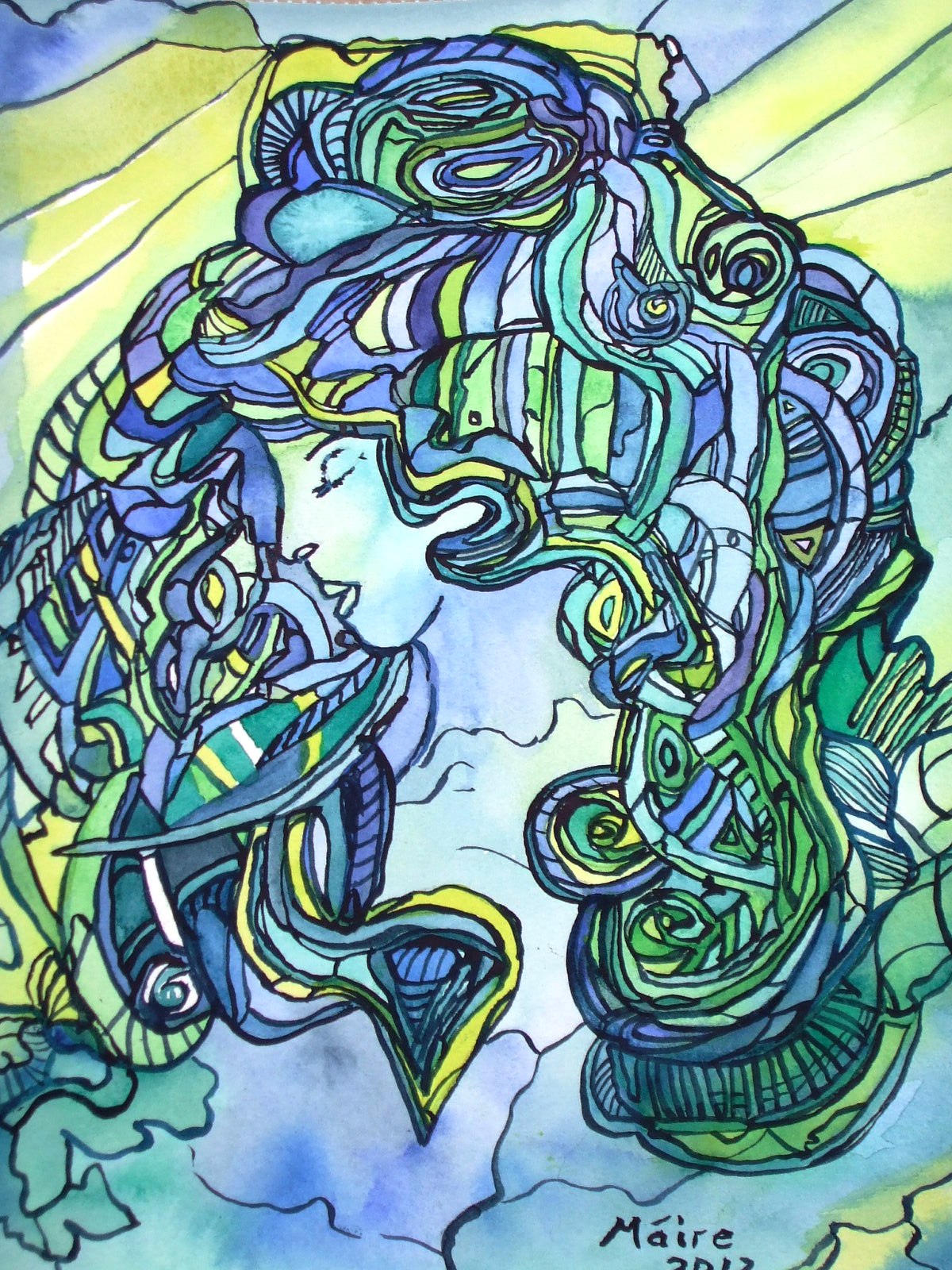
The Art of, and “Frozen Echoes” by Máire Morrissey-Cummins

Celtic Woman

Celtic Woman

Frozen Echoes

Hawthorn blossoms
pearled the hedgerows
as birds rejoiced,
chiming the air
with heartbeat rhythms,
a leafy green spring
as baby buds peeped in.

I carried you,
felt you
but never got to hold you.

Another year has passed
and I am still lost
in the black cold of winter,
remembering the day
you left me.
It has been so long
and we never said goodbye.

My tears,
frozen in time.
Echoes of songs
that never were,
dreams that can never be.

Fog blankets the fields.
The sky expresses what I cannot.
I hear the parting clouds,
I speak to the sunrise
of my love for you,
your movement, your sound.
I would speak of anything
to bring you back,
but there is only frost
and winter dwells in my heart.

I see the spring,
but know
I will never feel your warmth.

Sugarloaf Mountain

Sugarloaf Mountain

The following are Haikus and artwork by Máire Morrissey-Cummins

Glitters of Sky

Glitters of Sky

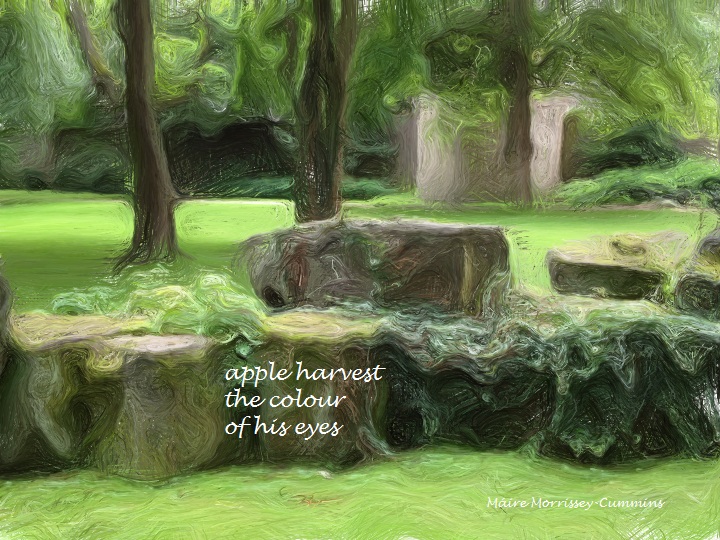
Apple Harvest

Apple Harvest

Máire Morrissey-Cummins ia Irish, married with adult children and since taking early retirement from the Financial Sector, has found the beauty of poetry and art and is enjoying life to the full. Máire has lived abroad for many years, in Holland and presently lives between Ireland and Germany. Morrissey-Cummins is well known in haiku circles and was recently named in the top 100 haiku writers in Europe.

“Kite” by Mick Corrigan


"on the Common, Kite Flying" by Vickers Deville

“On the Common, Kite Flying” by Vickers Deville

Kite

I
never apologised
never explained
take me
or
leave me
I said
my head thrown back
arms outstretched
spotlight haze
haloing me
in
cigarette smoke
and bawdy
lecherous
laughter

many of them
took me

of course
they did

I
was
a
beautiful
sexual
charismatic
free
human
animal
and
I liberated them
momentarily
from their shit
joyless
lives.

I
sang
on the stage
of the
Kit Kat Club
Koepenicker Strasse
gave blowjobs
for cash
in the alley
behind it
don’t judge me
times were hard
men were hard
I did
what
I had
to do

until you’re
starving
you don’t know
what you’ll eat

I watched
small betrayals
become
big betrayals
fear
and
hatred
coalesced
in to
those
dark siblings
concensus
and
well known
fact

It’s the jews
they said
it’s the reds
they said
the foreigners
they said
the trade unionists
they said
the handicapped
they said
the gypsies
they said
the queers
they said

and I knew
I was fucked

They came for me
the morning after Kristallnacht
pasty
pale
aryans
grinning
like hyenas
hunting
through
the glittering glass
beat me bloody
pinned
a pink star
to my breast
sent me
to the camp
planned by architects
designed by engineers
built by tradesmen
staffed
by
ordinary
decent
people

I saw all that men are capable of
I watched horror become
A mundane
Daily thing
Coated grey
In human ash
Organised
Institutionalised
Condoned
Official
I
am a survivor
I
survived

The Americans freed me
my spirit barely attached
to what was left
of my body
but
I
was
still
human
and
I
did
not
die

I.Did.Not.Die

I
went to live
in the land
of the well fed
and nearly free
I never sang again
the music left me
and did not return
but
one evening
I wandered
into
seedy Soho
and watched
a beautiful
young man
sing
arms outstretched
head thrown back
haloed
in cigarette smoke
and spotlight haze
the basement room
thick
with beery
lecherous
laughter
I sat
in the darkness
at my solitary table
and sobbed
quietly
for life
and loss

Life
Goes
On

I lived
until
the day
I died
stretched flat
on the spring grass
my heart
dark blossoming
in my chest
as the light dimmed
I saw
silhouetted against the evening sky
a kite
ragged
beautiful
solitary
free.


Mick Corrigan has been writing for several years and has been published in a range of periodicals, magazines and on-line journals. He is in his fifties (at least he thinks they’re his fifties, they could be someone else’s), and lives in County Kildare, Ireland with Trish his lifer, Molly the talking wonder dog, Ben the ever so cool collie and Bandit the gin drinking dowager cat. He likes a well-made porkpie hat and regularly has ideas above his station.